3D Printing Essentials: What Matters Most for Beginners
For months, I designed 3D prints without realizing I was missing the big picture. Like many beginners, I focused on flashy designs and software tweaks while ignoring the fundamentals that actually determine success. If you’re new to 3D printing, you’re not alone—most of us start this way. But here’s the truth: mastering the essentials can save you hours of frustration and wasted filament.
Why Most 3D Printing Failures Come Down to Basics
3D printing is deceptively simple. You sketch a model, hit print, and wait. But the reality is far more complex. I learned this the hard way when my first batch of prints turned out warped, under-extruded, or misaligned. The problem? I’d overlooked critical factors like bed leveling, material temperature, and print speed. These basics form the foundation of every successful print.
1. Bed Leveling: The First Step to Reliable Prints
A perfectly leveled bed is non-negotiable. Even a slight tilt can cause the nozzle to either dig into the print surface or leave gaps that prevent proper adhesion. Use a piece of paper to test the distance between the nozzle and bed at each corner. Adjust until the paper slides with light resistance. This simple step prevents 80% of first-layer issues.
2. Material Temperature: Precision Matters
Each filament type has an optimal temperature range. PLA typically works best between 190–220°C, while ABS requires 230–250°C. Use your printer’s manual as a starting point, but don’t be afraid to experiment. A temperature that’s too low causes under-extrusion; too high leads to stringing and oozing. Invest in a reliable thermometer to verify your printer’s actual nozzle temperature.
3. Print Speed: Slow and Steady Wins the Race
Speed is a double-edged sword. While faster prints seem efficient, they often compromise quality. Start with a speed of 40–50 mm/s for most models. Complex geometries or fine details may require even slower speeds. Remember: your printer isn’t a race car—it’s a precision tool. Sacrificing speed for accuracy will yield far better results.
Common 3D Printing Mistakes to Avoid
Even with the basics covered, beginners often make avoidable errors. Here are three critical pitfalls to watch for:
- Ignoring Cooling Fans: Many prints require active cooling to prevent warping. Ensure your printer’s fans are functional and positioned correctly.
- Overlooking Infill Settings: A 100% infill makes prints heavy and wasteful. For most projects, 20–30% infill balances strength and efficiency.
- Skipping Test Prints: Always print a small test model before committing to a large project. This saves time and filament.
Essential Tools for Every 3D Printer
While 3D printers come with basic tools, these additions can dramatically improve your workflow:
- Calipers: Measure nozzle-to-bed distance and filament diameter for precise calibration.
- Spool Holder: A dedicated spool holder prevents tangles and ensures smooth filament feeding.
- Heat Bed Covers: Glass or PEI sheets provide a flat, reusable surface for better adhesion.
Maximizing Your 3D Printing Success
Once you’ve mastered the basics, focus on refining your process. Here’s how:
1. Optimize Slicer Settings
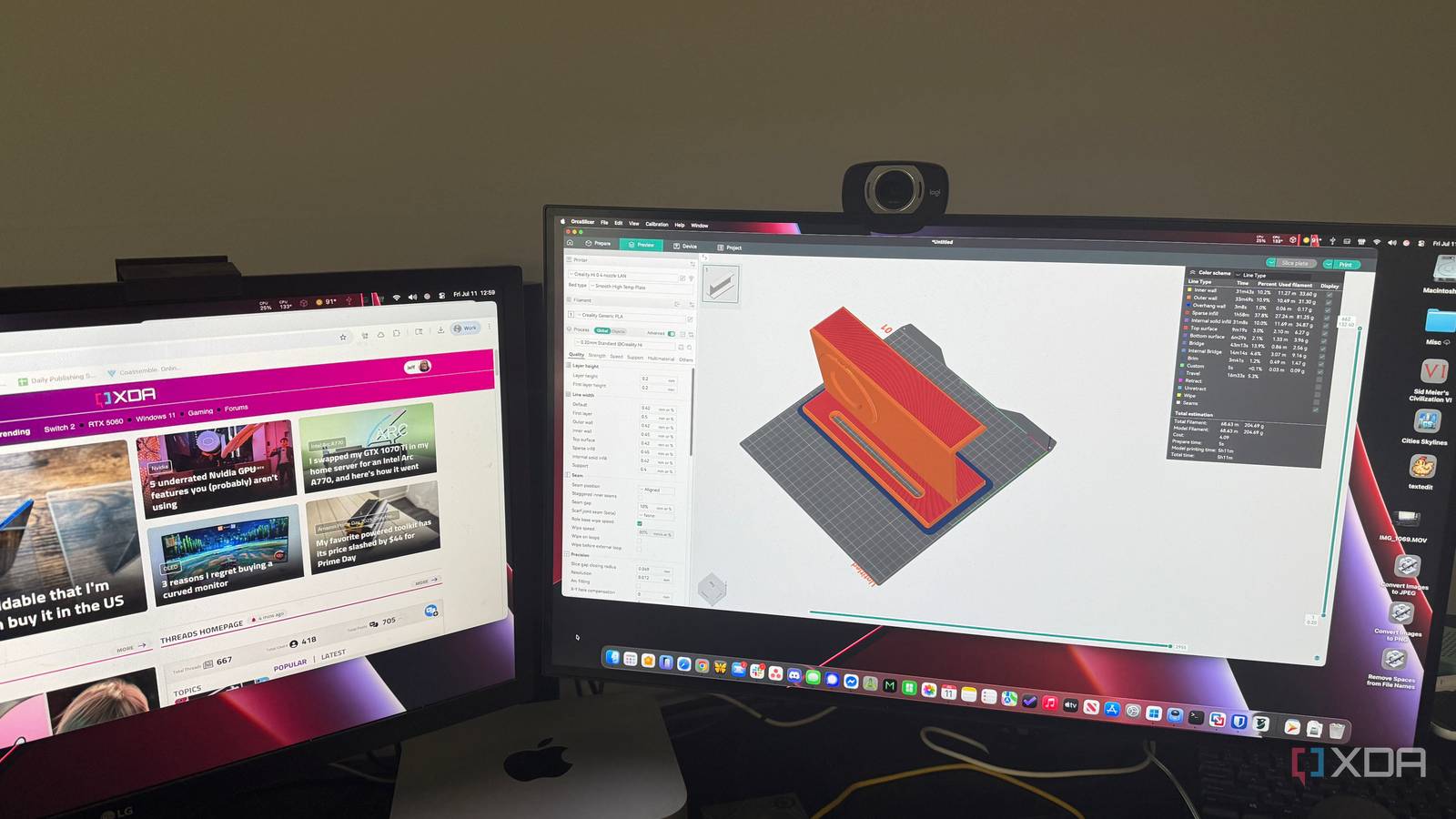
Slicer software like Cura or PrusaSlicer is your control panel. Adjust layer height (0.1–0.3 mm), wall thickness, and top/bottom layers to match your project’s needs. Don’t rely on default settings—experiment to find the sweet spot for your printer.
2. Maintain Your Printer Regularly
Dirty nozzles, worn belts, and clogged filters can ruin even the best designs. Clean the nozzle weekly, lubricate moving parts monthly, and inspect belts for tension. A well-maintained printer is a reliable printer.
3. Learn from the Community
3D printing is a collaborative hobby. Join forums like Reddit’s r/3DPrinting or follow YouTube channels like The 3D Printing Nerd. Share your work, ask questions, and learn from others’ experiences. You’ll be surprised how quickly your skills improve.
Conclusion: Start Simple, Stay Curious
3D printing is a journey of continuous learning. By focusing on the essentials—bed leveling, material temperature, and print speed—you’ll avoid the most common pitfalls and build a strong foundation. Remember, even the most advanced printers require basic care and attention. Start with small projects, document your progress, and don’t be afraid to make mistakes. The more you print, the more you’ll discover what truly matters in this fascinating craft.
Ready to take your 3D printing to the next level? Share your tips and questions in the comments below. Let’s build something amazing together!