3D Printing IP Theft: Legal Battles in the Maker Community
When 3D printing pioneer Bambu Lab found itself entangled in a lawsuit from toy designer Labubu, the case exposed a growing tension in the maker community. This legal clash over intellectual property (IP) rights highlights how user-generated designs on platforms like MakerWorld are reshaping the boundaries of digital ownership.
Why 3D Printing IP Theft Matters to Everyone
The Labubu vs. Bambu Lab case isn’t just about two companies. It represents a broader debate about who owns the rights to 3D-printed creations. With over 20 million active 3D printer users globally, this issue affects:
- Designers worried about stolen concepts
- Printers concerned about legal liability
- Platforms struggling to enforce IP policies
The Labubu Case: A New Legal Frontier
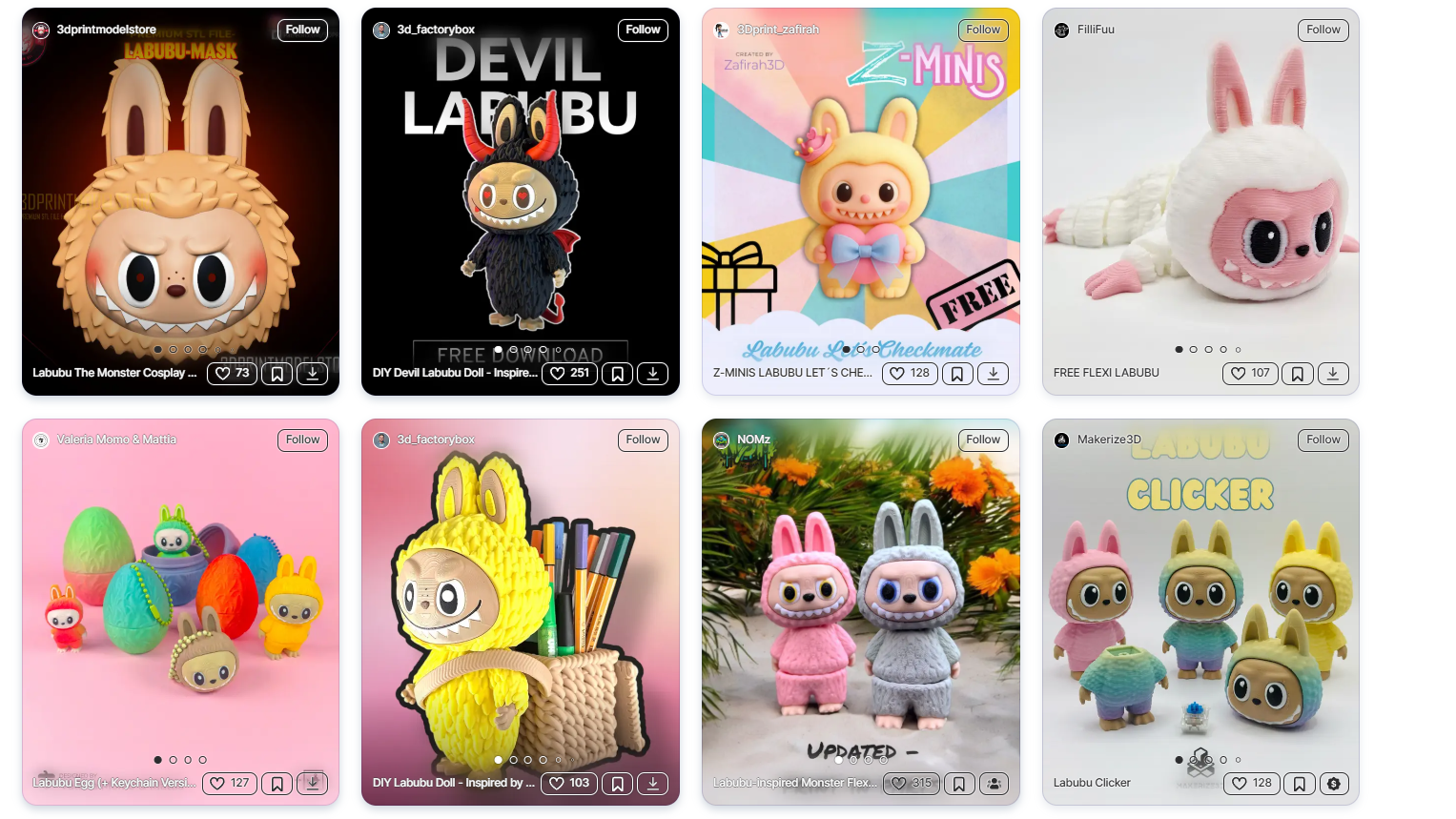
Labubu alleges that Bambu Lab’s users printed and shared unauthorized replicas of their popular toys. While Bambu Lab argues it’s not responsible for user actions, the case raises critical questions:
- Can companies be held liable for user-generated content?
- How should IP laws adapt to decentralized manufacturing?
- What protections exist for independent designers?
How 3D Printing Challenges Traditional IP Laws
Traditional copyright frameworks struggle to address the unique nature of 3D printing. Unlike physical manufacturing, digital files can be copied and modified instantly. This creates three key challenges:
1. File Sharing vs. Physical Production
When a user prints a design from a repository, they’re both copying digital files and creating physical objects. Current laws often fail to address this dual nature effectively.
2. The “User is the Manufacturer” Dilemma
3D printing blurs the line between consumer and manufacturer. A single user can produce hundreds of items in their home, challenging traditional notions of commercial infringement.
3. Platform Liability in the Digital Age
Platforms like MakerWorld face a tough balancing act. They must protect IP rights while maintaining open access to design files that drive innovation in the maker community.
Practical Solutions for the 3D Printing Community
While the legal system works through these issues, here’s how different stakeholders can protect themselves:
For Designers
- Register designs with copyright offices
- Use watermarking techniques for digital files
- Monitor repositories for unauthorized use
For Printers
- Verify design ownership before printing
- Use only licensed or open-source files
- Understand platform terms of service
For Platforms
- Implement robust content moderation systems
- Offer clear reporting tools for IP violations
- Develop community guidelines for responsible use
The Future of 3D Printing and IP Rights
The Labubu case is just the beginning. As 3D printing becomes more accessible, we’ll likely see:
- New legal frameworks for digital manufacturing
- Blockchain-based solutions for design authentication
- Standardized licensing models for 3D printing files
Creators and users alike must stay informed about these developments. The future of 3D printing depends on finding a balance between innovation and intellectual property protection.
FAQs About 3D Printing IP Theft
What is 3D printing IP theft and how does it affect users?
3D printing IP theft occurs when unauthorized copies of protected designs are created using 3D printers. This affects users by creating legal risks for printing unlicensed designs and reducing incentives for original creators.
Can I get in trouble for printing someone else’s design?
Yes, printing protected designs without permission can lead to legal action. Always verify licensing terms before printing any design.
How do I protect my 3D printing designs?
Register your designs with copyright offices, use digital watermarks, and monitor repositories for unauthorized use.
Are there legal 3D printing repositories?
Yes, platforms like Thingiverse and MyMiniFactory offer open-source designs with clear licensing terms.
What should I do if I find an IP violation on a 3D printing platform?
Use the platform’s reporting tools to notify moderators. Keep records of the violation in case legal action is needed.