Introduction to the Seven Kingdoms
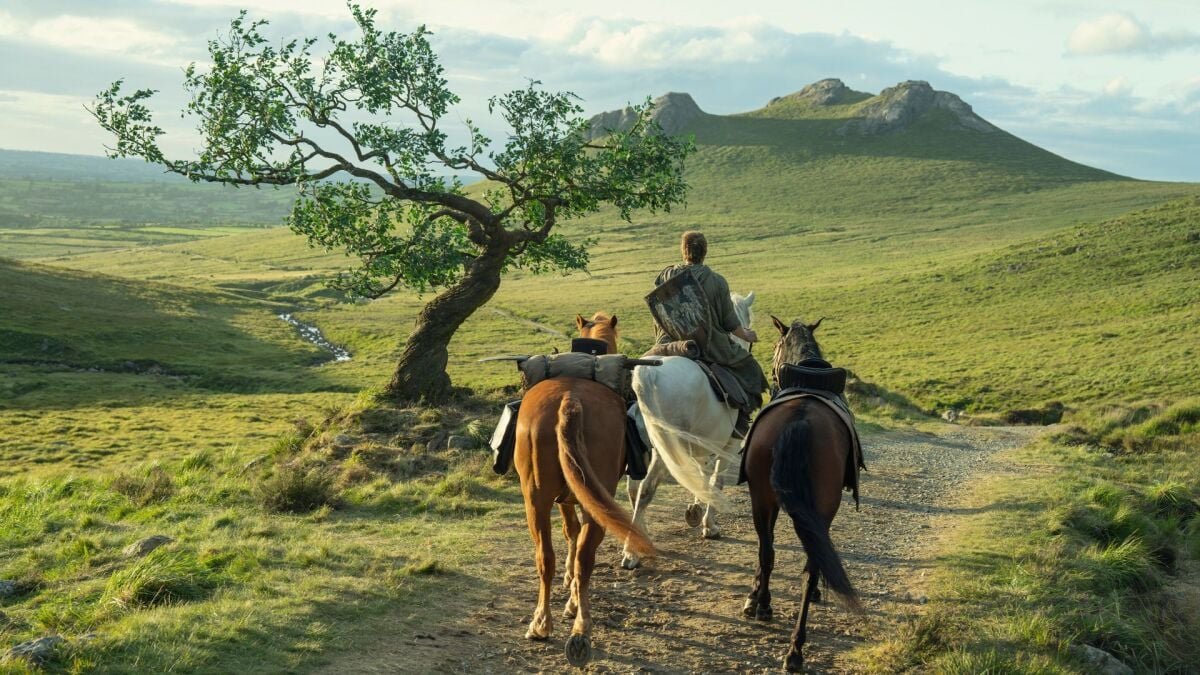
The world of Westeros, as depicted in the A Song of Ice and Fire series and its adaptations, is commonly known as the Seven Kingdoms. This designation has been a cornerstone of the lore, dividing the continent into seven distinct regions, each with its own history, culture, and ruling families. However, a pivotal moment in the finale of A Knight of the Seven Kingdoms challenges this long-held understanding, suggesting that there might be more to the political geography of Westeros than initially meets the eye.
Egg’s Revelation
The character Egg, also known as Aegon V Targaryen, drops a bombshell when he tells Dunk that there are, in fact, nine kingdoms. This statement sparks intrigue and raises questions about the traditional division of Westeros and the potential implications of such a revelation. If Egg is correct, it would significantly alter our understanding of Westeros’ political landscape, potentially reshaping the way we view the history and the future of the Seven Kingdoms.
Historical Context and the Formation of the Seven Kingdoms
To understand the possibility of nine kingdoms, it’s essential to delve into the history of Westeros. The Seven Kingdoms were formed after the conquest of Aegon the Conqueror, who unified the warring kingdoms under the Iron Throne. However, the process of unification was complex, with some regions maintaining a degree of autonomy and distinct cultural identities.
Regions and Kingdoms: A Closer Look
Westeros is typically divided into the North, the Iron Islands, the Riverlands, the Vale, the Westerlands, the Reach, and Dorne. Each of these regions has its own lordly houses and governance structures, contributing to the rich tapestry of the Seven Kingdoms. The question of whether there are indeed nine kingdoms hinges on how one defines a ‘kingdom.’ If the definition includes any sovereign state or region with its own ruler, then the argument for nine could be based on historical or smaller, often overlooked territories within Westeros.
Implications of Nine Kingdoms
The acknowledgment of nine kingdoms would have profound implications for the lore and the political dynamics of Westeros. It could introduce new players into the game of thrones, potentially altering alliances, conflicts, and the balance of power. Moreover, it would underscore the complexity and diversity of Westeros, highlighting that the traditional view of the Seven Kingdoms might be an oversimplification of the continent’s true political and geographical landscape.
Conclusion: The Truth About the Kingdoms
While Egg’s statement about nine kingdoms challenges the conventional wisdom about Westeros, it also opens up new avenues for exploration and understanding of the world’s history and politics. Whether or not there are actually nine kingdoms, the suggestion itself enriches the narrative, inviting fans to delve deeper into the lore and speculate about the untold stories of Westeros.