Introduction
When a tech enthusiast decided to power their PC using AA alkaline batteries, the results defied expectations. This experiment, shared by ScuffedBits, reveals how everyday batteries can outperform assumptions about energy storage and device longevity. Let’s explore the setup, findings, and implications of this unconventional power test.
The Experiment Setup
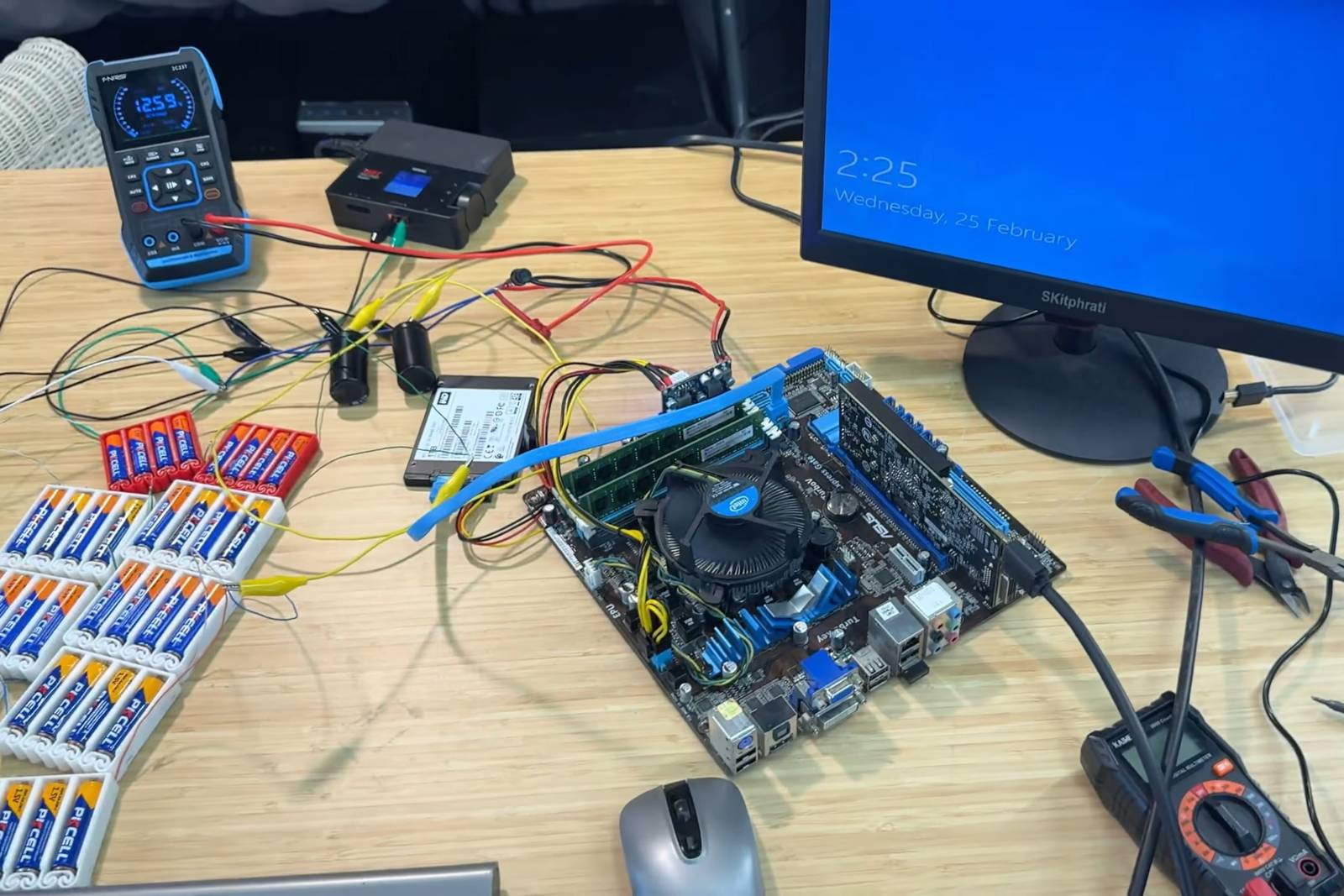
The experiment used a standard desktop PC configured to draw minimal power. Key components included:
- Intel Core i3 processor
- 4GB DDR3 RAM
- Integrated graphics
- Custom battery pack with 12 AA alkaline batteries
The battery pack was wired to a 12V DC power supply, which connected to the PC’s power adapter. The goal: measure how long the system could run before the batteries depleted.
Results and Analysis
The PC ran for 3 hours and 42 minutes—far exceeding the user’s initial estimate of 1-2 hours. This outcome highlights the energy density of AA alkaline batteries, which deliver 1.5V each and can collectively power low-consumption devices for extended periods.
Why AA Batteries Worked
Alkaline batteries retain charge efficiently in low-drain scenarios. The PC’s idle power draw (around 30-40W) matched the battery pack’s capacity, allowing for stable performance without overheating or voltage drops.
Limitations and Risks
While the experiment succeeded, it’s not a practical solution for everyday use. Key drawbacks include:
- High cost per watt-hour compared to wall power
- Environmental impact from battery disposal
- Heat buildup in the battery pack over time
Implications for Tech Enthusiasts
This test underscores the potential of alternative power sources for emergency scenarios or portable setups. However, it also emphasizes the need for energy-efficient hardware. For example, using a laptop instead of a desktop could extend battery life further.
Conclusion and Call to Action
AA alkaline batteries proved capable of powering a PC longer than expected, but this remains a niche experiment. If you’re curious about energy efficiency or DIY tech projects, try replicating this test with your own setup. Share your results in the comments below!
FAQs
Q: Can AA alkaline batteries really power a PC?
A: Yes, but only for short durations. The experiment used 12 AA batteries to power a low-consumption PC for 3.7 hours. This isn’t a replacement for wall power but demonstrates battery capacity in controlled scenarios.
Q: Are alkaline batteries better than lithium-ion for portable power?
A: Alkaline batteries excel in low-drain devices and have a longer shelf life. Lithium-ion batteries, however, offer higher energy density and rechargeability, making them better for high-power needs.
Q: How can I calculate battery life for my PC?
A: Multiply the battery’s voltage by its ampere-hour (Ah) rating to get watt-hours (Wh). Divide by your PC’s power draw (in watts) to estimate runtime.
Q: What safety precautions should I take when using AA batteries?
A: Avoid overloading battery packs, monitor temperature, and use a voltage regulator to prevent damage to your devices.
Q: Can this experiment work with other devices?
A: Yes! Try powering a smartphone, tablet, or small LED lights with AA batteries. Just ensure the voltage matches the device’s requirements.