Into the Omniverse: How Industrial AI and Digital Twins Accelerate Design, Engineering and Manufacturing
Meanwhile, companies across various industries are leveraging industrial AI and digital twins to revolutionize their design, simulation, and optimization processes. For example, AI physics and accelerated AI infrastructure are empowering businesses to scale their operations efficiently.
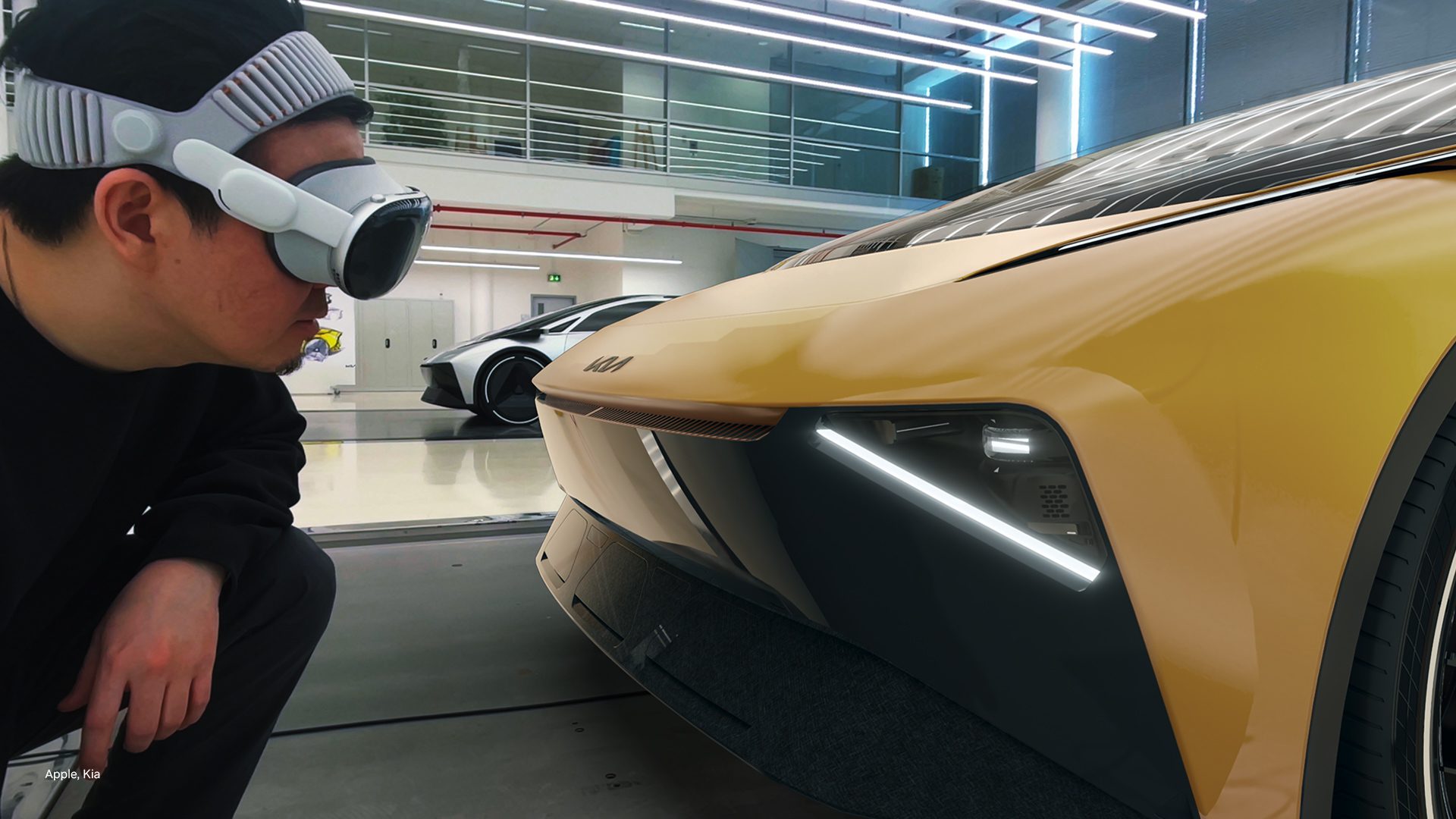
Additionally, the integration of industrial AI and digital twins enables companies to test and validate products, processes, and facilities in a virtual environment, reducing the need for physical prototypes and minimizing the risk of errors. Therefore, this approach accelerates the time-to-market for new products and services.
Industrial AI and Digital Twins: A Powerful Combination
However, the true potential of industrial AI and digital twins lies in their ability to accelerate and scale the design, simulation, and optimization of complex systems. Meanwhile, companies can use AI-powered digital twins to simulate real-world scenarios, predict potential issues, and optimize performance. Furthermore, this approach enables businesses to make data-driven decisions and drive innovation.
Moreover, industrial AI and digital twins are being used in various industries, including manufacturing, healthcare, and energy. For instance, companies in the manufacturing sector are using digital twins to simulate and optimize production processes, while healthcare organizations are leveraging AI-powered digital twins to develop personalized treatment plans.
Benefits of Industrial AI and Digital Twins
- Accelerated design, simulation, and optimization of products, processes, and facilities
- Reduced need for physical prototypes and minimized risk of errors
- Improved decision-making through data-driven insights
- Enhanced collaboration and communication among teams
Finally, as industrial AI and digital twins continue to evolve, we can expect to see even more innovative applications across industries. However, to fully realize the potential of these technologies, companies must invest in the necessary infrastructure and talent. Therefore, it is essential to develop a strategic plan for implementing industrial AI and digital twins, ensuring a smooth transition and maximizing the benefits.
Meanwhile, the future of industrial AI and digital twins looks promising, with potential applications in fields such as sustainability, logistics, and education. Additionally, as these technologies become more widespread, we can expect to see new business models and revenue streams emerge. Consequently, companies that adopt industrial AI and digital twins early on will be well-positioned to drive innovation and stay ahead of the competition.
Conclusion and Call to Action
In conclusion, industrial AI and digital twins are revolutionizing the way companies design, simulate, and optimize products, processes, and facilities. However, to fully realize the benefits of these technologies, businesses must be willing to invest in the necessary infrastructure and talent. Therefore, we encourage companies to explore the potential of industrial AI and digital twins and develop a strategic plan for implementation.
Meanwhile, for those looking to learn more about industrial AI and digital twins, we recommend checking out our upcoming webinar series, which will feature expert insights and real-world examples of these technologies in action. Additionally, our team is available to provide guidance and support for companies looking to adopt industrial AI and digital twins.