Adobe CEO Shantanu Narayen Steps Down After 18 Years
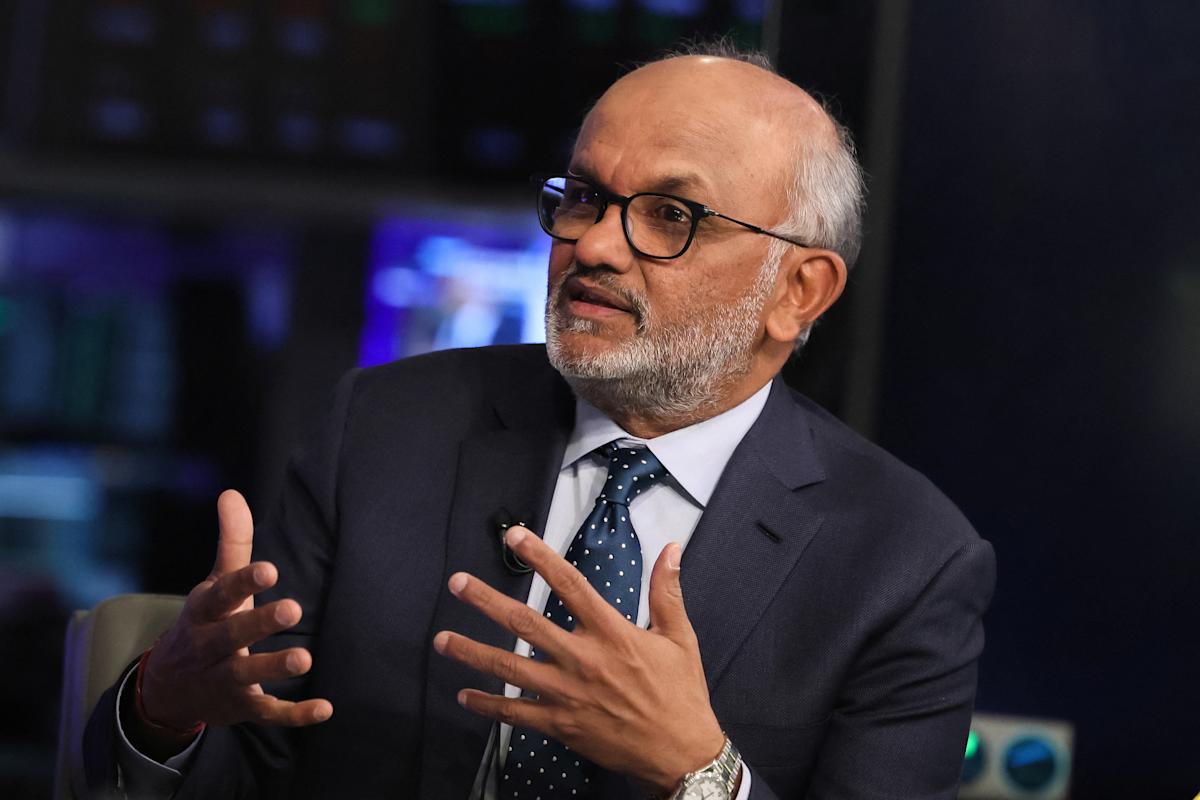
Adobe’s long-time CEO, Shantanu Narayen, has announced his plans to step down after an 18-year tenure. Known for steering Adobe’s transformation into a software-as-a-service (SaaS) giant, Narayen will remain as board chair to support the leadership transition. His departure marks a pivotal moment for the tech company, which has grown from a niche software provider to a global creative powerhouse.
Legacy of Innovation and Growth
Narayen’s leadership reshaped Adobe’s trajectory. When he joined in 2007, Adobe was primarily a boxed-software company. Under his guidance, the firm pioneered the Creative Cloud subscription model, revolutionizing how users access tools like Photoshop, Illustrator, and Lightroom. This shift not only stabilized Adobe’s revenue but also positioned it as a leader in the SaaS space.
Key achievements during his tenure include:
- Revenue growth from under $1 billion to over $25 billion.
- Employee expansion from 3,000 to more than 30,000 globally.
- Adoption of AI-driven tools like Firefly and Sensei to enhance creative workflows.
Looking Ahead: AI and the Future of Creativity
In a memo to employees, Narayen emphasized Adobe’s commitment to innovation. He highlighted the role of artificial intelligence in shaping the next era of creativity: “The next era of creativity is being written right now — shaped by AI, by new workflows, and by entirely new forms of expression.” His vision underscores Adobe’s proactive approach to integrating AI into its ecosystem, ensuring the company remains ahead of industry trends.
What This Means for Adobe
Narayen’s exit will test Adobe’s ability to maintain its momentum. While the board has yet to name his successor, the company’s strong foundation—built on recurring revenue and a loyal user base—provides a solid base for future growth. The challenge will be sustaining the culture of innovation that Narayen championed.
Why This Matters for Tech and Creatives
Adobe’s journey under Narayen offers lessons for the tech industry. By embracing SaaS early, Adobe demonstrated the power of subscription models in software. For creatives, the shift to cloud-based tools has democratized access to professional-grade software, enabling collaboration and flexibility. As AI becomes more integrated into creative workflows, Adobe’s leadership will be critical in defining ethical and user-centric AI applications.
Conclusion: A New Chapter for Adobe
Shantanu Narayen’s departure closes an era but opens new possibilities. His legacy is a company that redefined itself and the creative industry. As Adobe transitions to new leadership, the focus will remain on innovation, user needs, and the evolving role of AI. Stay tuned for how Adobe continues to shape the future of creativity.