Age Verification Systems: A Threat to Internet Freedom?
Imagine a world where accessing your favorite social media app or streaming service requires proving your age before you can log in. This isn’t science fiction—it’s the reality being shaped by expanding age verification laws across Europe, the US, and Australia. While framed as child protection, these systems are quietly transforming the internet into a permission-based network. But at what cost?
The Hidden Agenda Behind Age Verification
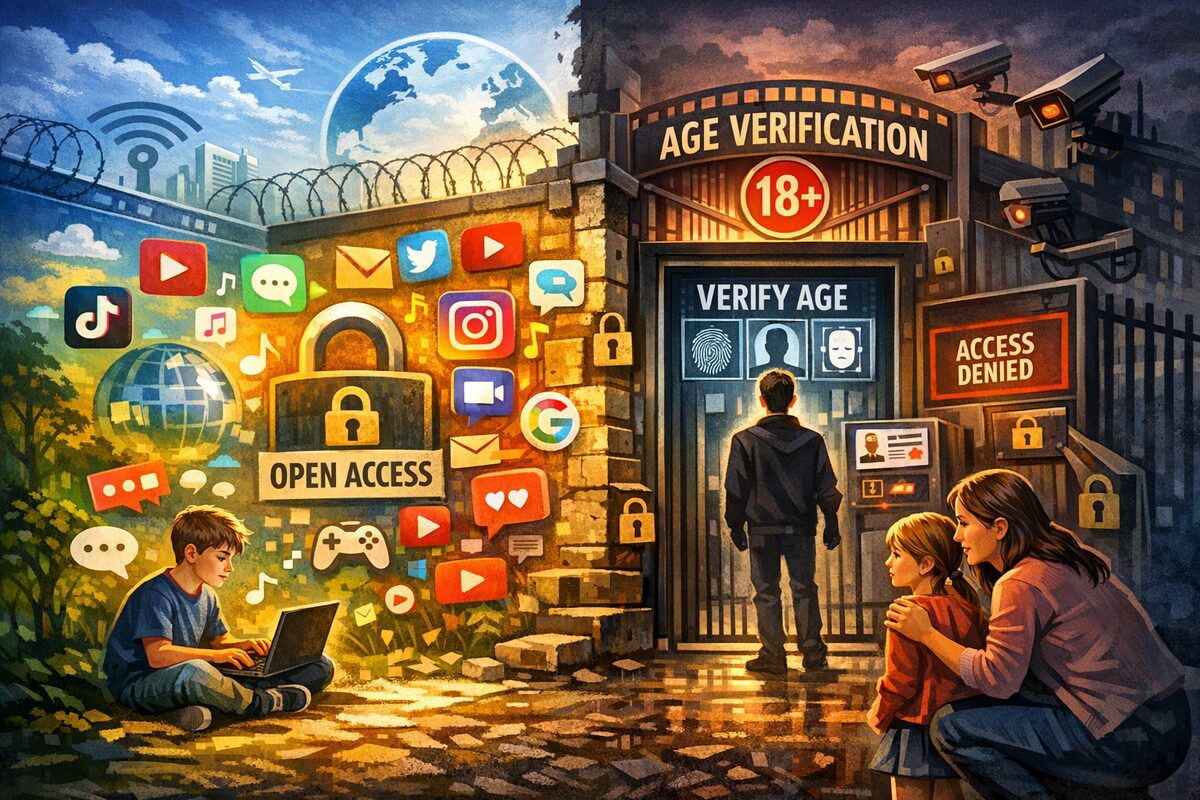
Age verification is no longer confined to adult websites. It’s now embedded in social media, gaming, and even operating systems. The technical shift is clear: instead of open access, users must prove their identity before receiving content. This creates a new control layer for the internet—one that prioritizes authentication over freedom.
From Child Protection to Identity Surveillance
Proponents argue these systems protect children from harmful content. However, the technical implementation reveals a deeper issue. Age assurance is becoming a persistent feature of operating systems like Linux, with proposals to integrate it into core components like systemd. This means age checks could soon be baked into every device, not just specific websites.
The problem isn’t just technical. It’s political. By centralizing control, these systems replace local decision-making—by parents, teachers, and communities—with corporate or government policies. As one parent notes, “Children face real online risks, but we shouldn’t sacrifice privacy for a one-size-fits-all solution.”
Corporate Influence and Data Collection
Behind the push for age verification lies a troubling trend: corporate lobbying. Investigations reveal that companies profiting from data collection are actively shaping legislation. Age verification laws often benefit entities that profit from expanded identity checks, creating a feedback loop where regulation fuels surveillance.
- Age verification systems generate more metadata and logging
- They create friction for users lacking proper documentation
- They centralize control over digital access
Why Centralized Control is a Problem
Centralized systems fail on two fronts. First, they’re easily bypassed with tools like VPNs or fake credentials. Second, they shift responsibility away from families and schools—the actual guardians of children’s digital safety.
The Slippery Slope of Identity Checks
Infrastructure built for age verification rarely stays limited to age. Once in place, it can be repurposed for location tracking, citizenship checks, or even political censorship. This “slippery slope” effect turns a narrow child protection measure into a general access control system.
Consider the birthDate field added to Linux’s userdb. This isn’t just about filtering content—it’s about creating a universal identity layer for devices. The result? A network where access depends on proving who you are, not what you need.
Guardianship vs. Moderation
The debate confuses two distinct problems: content moderation and guardianship. Moderation is about filtering harmful content. Guardianship is about contextual decisions made by trusted adults. Merging these creates a false solution that harms both privacy and local autonomy.
For example, a school might need to block violent content during class hours but allow it for research later. A centralized system can’t adapt to such nuances. Only local control can balance safety with flexibility.
A Better Path Forward
The solution isn’t more identity checks—it’s smarter design. Here’s how to protect children without sacrificing internet freedom:
- Local Moderation: Filter content at the device or network level, not through centralized systems.
- Contextual Control: Let parents, schools, and communities set rules based on their needs.
- Target Real Risks: Regulate addictive design patterns and manipulative algorithms, not just age.
Technical Alternatives to Age Verification
Operating systems can support local policies without becoming universal identity brokers. For instance, a device could apply parental controls based on user profiles, without exposing age data to apps or services. This preserves privacy while enabling tailored safeguards.
Conclusion: Reclaiming the Internet
Age verification systems are not child protection—they’re a blueprint for centralized control. By expanding identity checks into operating systems and services, we risk turning the internet into a checkpoint state. The real solution lies in empowering local guardians and redesigning platforms to prioritize safety without surveillance.
Take Action: Support policies that strengthen local control over digital safety. Demand transparency in how age verification laws are shaped—and push for solutions that protect children without compromising internet freedom for everyone.