Introduction: The Rise of AI Agents in Software Development
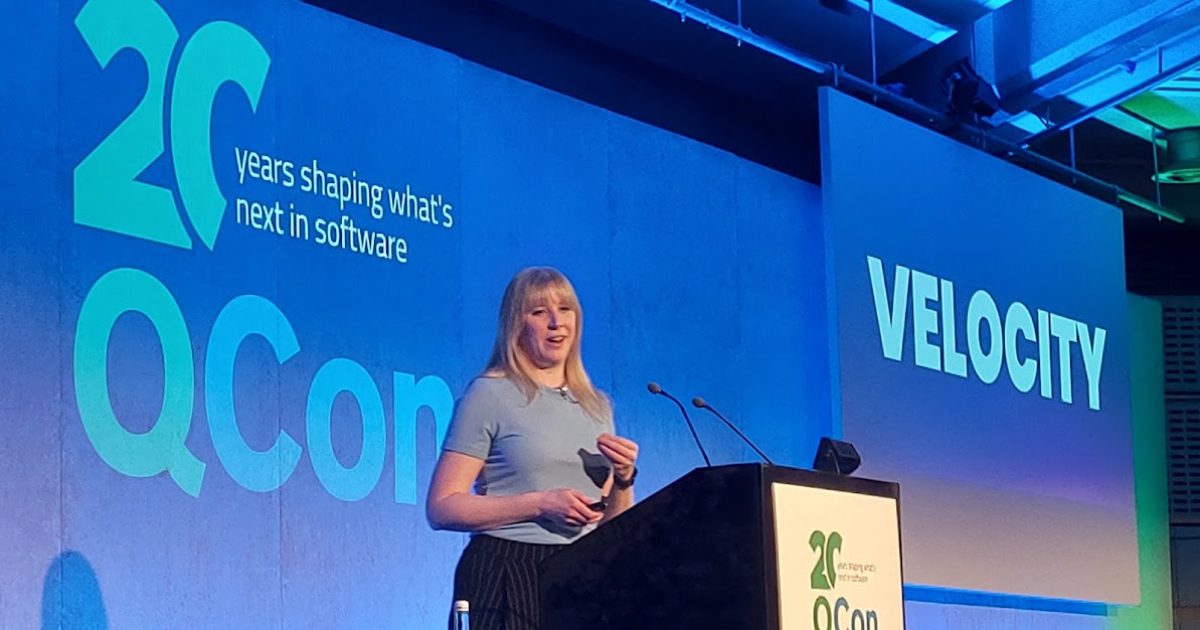
The tech world is abuzz with talk of AI agents rewriting code, automating testing, and accelerating delivery. At QCon London 2026, Hannah Foxwell delivered a compelling talk on how these tools are reshaping development—and what this means for human developers. While the technical capabilities of agentic coding are impressive, the real challenge lies in adapting our workflows, teams, and priorities to this new reality.
Anchor 1: Building Something Worth Building
Foxwell emphasized that speed alone isn’t enough. With AI agents producing code faster than ever, teams now face a paradox: development pipelines are outpacing product backlogs. This shift demands smarter prioritization. As she noted, “Enshittification”—the bloat of irrelevant features—becomes a real risk when experimentation is too easy.
Key Strategies for Product Teams
- Adopt “vibe-coding PMs” who prototype ideas using AI tools before formalizing them.
- Shorten feedback loops with forward-deployed engineers and product engineers.
- Reconsider team structures: Norges Bank uses smaller ratios, while others pair two PMs with one developer overseeing AI agents.
Anchor 2: Speed Requires Safety
The AWS case study highlighted in the talk is a cautionary tale. Achieving 10x throughput via agentic coding required overhauling testing and deployment practices. As Foxwell stressed, “You can’t just bolt on AI speed to old processes.” This principle extends to error budgets and reliability frameworks, which become even more critical when delivery cycles shrink.
Practical Safety Measures
- Implement agentic testing frameworks (e.g., JPMorgan’s system that catches edge cases AI might miss).
- Revisit SRE practices: Error budgets and reliability policies must evolve to match AI-driven delivery speeds.
- Invest in tooling that ensures code quality at scale, even when most output is “write-only” for humans.
Anchor 3: People Matter More Than Ever
The human role in development isn’t obsolete—it’s evolving. Foxwell pointed to Joseph Ruscio’s “write-only code” concept, where AI-generated code may never be reviewed by humans. This demands a shift in peer review: Focus on specifications, test strategies, and architecture before writing a single line of code.
Skills for the AI Era
- Master “broken comb” skills: Combine deep technical expertise with cross-functional collaboration.
- Learn to orchestrate AI agents, not just write code.
- Develop critical thinking to evaluate AI outputs and avoid over-reliance on automation.
Conclusion: Adapting to the New Normal
The rise of AI agents in coding isn’t a threat—it’s an opportunity to rethink how we build software. By focusing on meaningful work, ensuring safety at speed, and prioritizing human expertise, developers can thrive in this new era. As Foxwell concluded, “The future isn’t about replacing humans with AI. It’s about redefining what humans do with AI.” Ready to adapt? Start experimenting with agentic tools today and rethink your team’s workflow.
Call to Action: Explore AI-powered coding tools like Cursor or Gas Town to see how they can enhance your development process. Share your experiences in the comments below!