The Intersection of AI and Religion
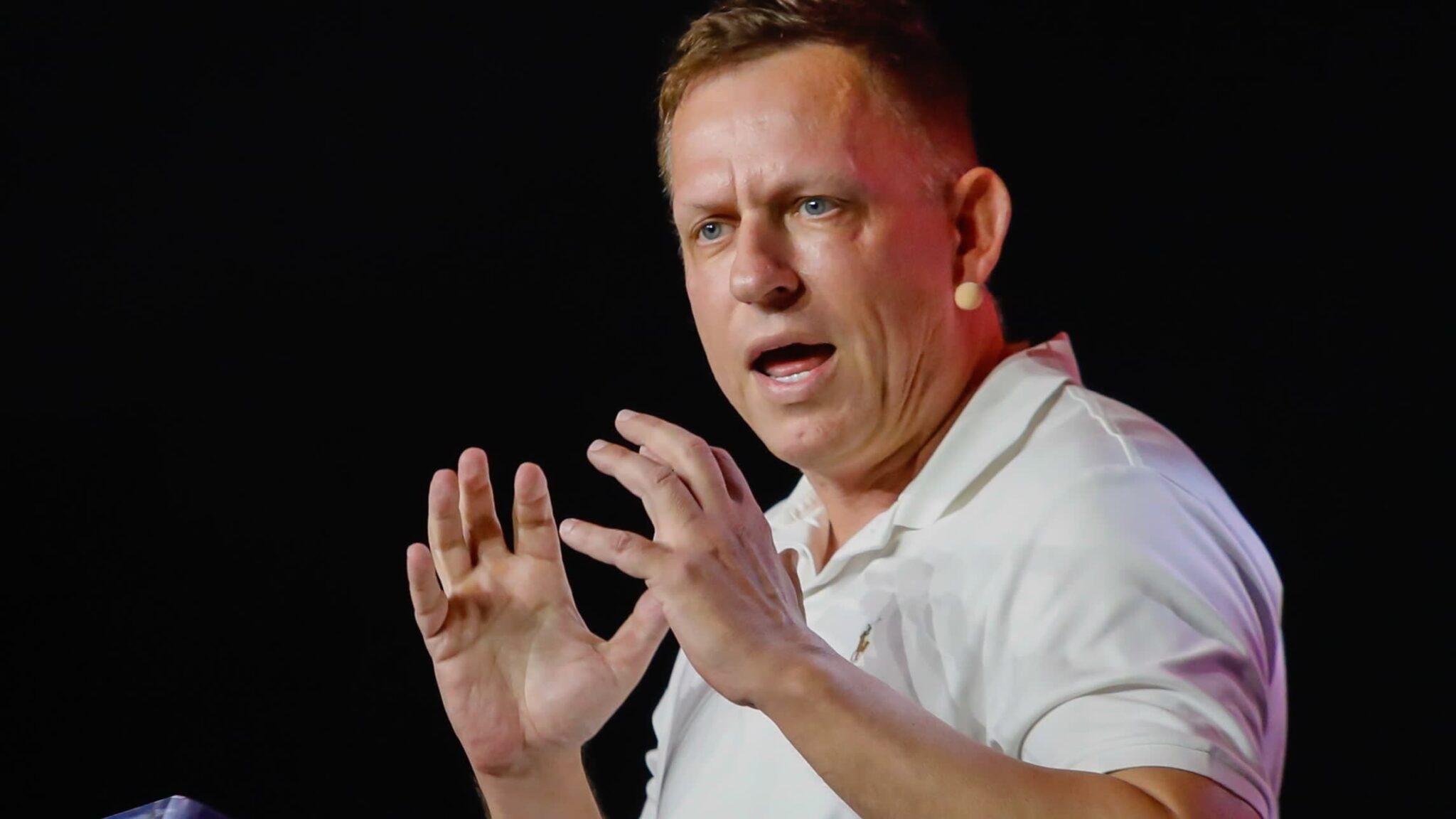
When Peter Thiel, the co-founder of PayPal and a prominent venture capitalist, delivered a lecture in Rome titled “AI and the Antichrist,” he sparked a global conversation about the ethical boundaries of artificial intelligence. Thiel’s analogy between AI and religious concepts like the antichrist raises critical questions about technology’s role in society. Is AI a tool for progress, or does it risk becoming a force that undermines human values?
Thiel’s Antichrist Analogy
Thiel’s lecture drew parallels between AI’s rapid advancement and the biblical figure of the antichrist—a symbol of deception and moral corruption. He argued that unchecked AI development could lead to systems that prioritize efficiency over ethics, mirroring the antichrist’s role in distorting truth. This analogy, while provocative, highlights the need for ethical frameworks to guide AI innovation.
Ethical Implications of AI
Thiel’s remarks align with growing concerns about AI’s societal impact. For example, algorithms used in hiring or criminal justice systems can perpetuate biases if not designed responsibly. The lecture serves as a reminder that AI’s creators must consider long-term consequences, not just technical feasibility.
AI Ethics in the Modern Tech Landscape
The debate over AI ethics is no longer theoretical. Companies like Google and Microsoft have faced backlash for projects involving military applications or surveillance. Thiel’s lecture underscores the urgency of addressing these issues proactively.
Balancing Innovation and Responsibility
- Establish clear ethical guidelines for AI development.
- Involve diverse stakeholders, including ethicists and religious leaders.
- Transparency in AI decision-making processes.
The Role of Tech Leaders
Leaders like Thiel have a unique responsibility to advocate for ethical AI. By framing AI through a moral lens, they can influence public perception and policy. However, this requires moving beyond profit-driven motives to prioritize societal well-being.
What This Means for the Future
Thiel’s lecture is a call to action for the tech community. As AI becomes more integrated into daily life, its ethical foundations must be as robust as its technical capabilities.
Calls for Ethical Frameworks
Organizations like the IEEE and the EU have proposed AI ethics guidelines, but adoption remains inconsistent. Thiel’s analogy could galvanize support for binding regulations that ensure AI serves humanity, not the other way around.
The Need for Global Collaboration
AI ethics cannot be addressed in isolation. Cross-border collaboration is essential to create universally accepted standards. Initiatives like the Global Partnership on AI are steps in the right direction, but more work is needed.
Conclusion
Peter Thiel’s lecture in Rome challenges us to rethink AI’s trajectory. By drawing on religious metaphors, he emphasizes the moral stakes of technological progress. As AI continues to evolve, society must ensure it aligns with human values. What role will you play in shaping this future?