
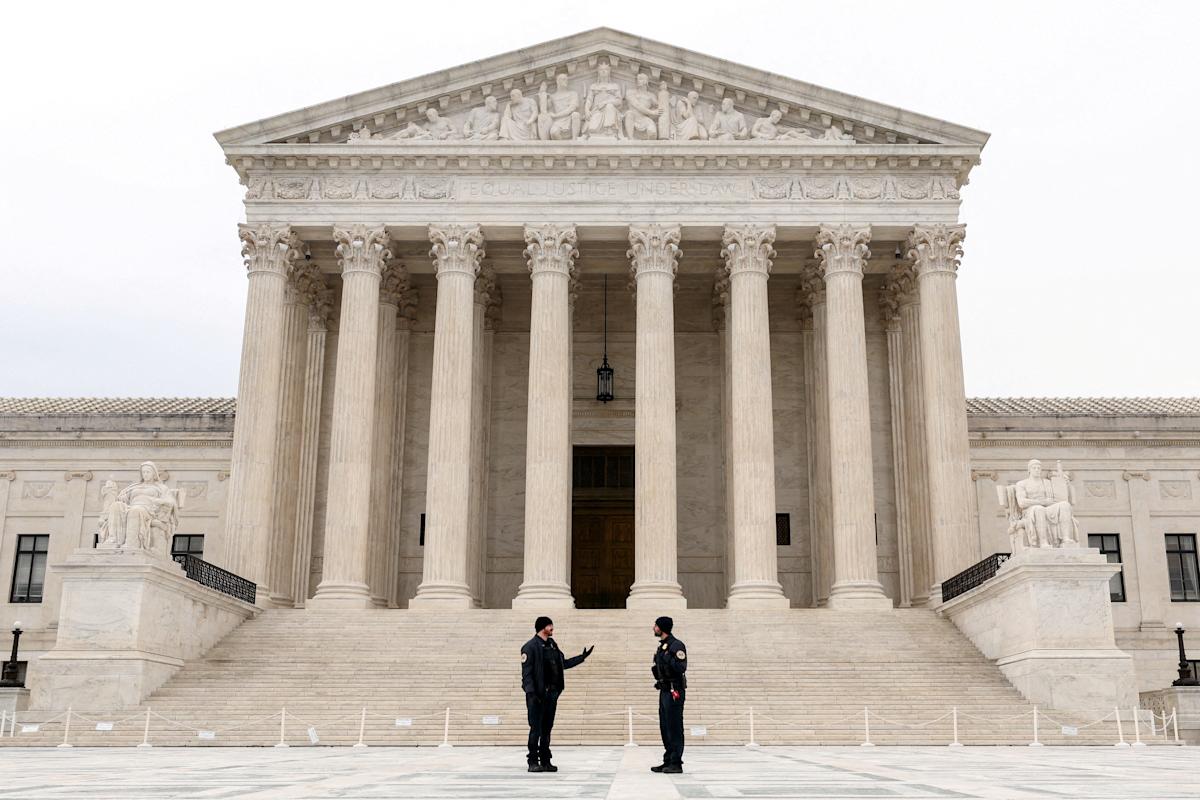
The Supreme Court’s Stance on AI Art Copyright
Artists and tech innovators alike are grappling with a landmark decision from the U.S. Supreme Court. In March 2026, the Court declined to hear a case involving AI-generated art copyright, effectively upholding a lower court’s ruling that such works cannot be copyrighted. This decision solidifies the legal stance that copyright protection requires human authorship—a principle that now excludes AI-created content.
What Happened in the Thaler Case?
The case traces back to 2018 when computer scientist Stephen Thaler sought copyright for an AI-generated artwork titled A Recent Entrance to Paradise. Unlike tools like Midjourney or ChatGPT, Thaler developed a custom AI system to produce the piece. However, the U.S. Copyright Office rejected his application in 2022, citing the lack of human authorship. Appeals to federal and appellate courts failed, leaving Thaler with no recourse but to petition the Supreme Court.
The Court’s refusal to intervene means Thaler’s case is now closed. While future AI copyright disputes could still reach the Court, his legal team argues the ruling has already harmed the creative industry during a pivotal period of innovation.
Why Human Authorship Matters
Copyright law in the U.S. has long required a “human author” to qualify for protection. The Supreme Court’s inaction reinforces this standard, emphasizing that AI tools—no matter how advanced—cannot replace human creativity in the eyes of the law. This aligns with similar rejections by the U.S. Patent and Trademark Office for AI-generated inventions, which also demand human inventors.
For creators, this means AI can be a powerful collaborator but not a standalone author. Artists using AI must ensure their work includes significant human input to qualify for copyright.
Implications for the Future
This ruling sends a clear message to the tech and creative industries: AI-generated content remains in a legal gray area. Businesses relying on AI for art, music, or writing must navigate these restrictions carefully. Meanwhile, lawmakers may face pressure to update copyright laws to address AI’s role in creation.
As AI tools evolve, so too will the debates around ownership and originality. For now, the Supreme Court’s decision leaves the door open for future cases—but not for Thaler’s.
Conclusion: What Creators Need to Know
If you’re using AI in your creative process, understand that copyright protection hinges on human authorship. Document your contributions and consult legal experts to safeguard your work. Stay informed as this legal landscape continues to shift.








