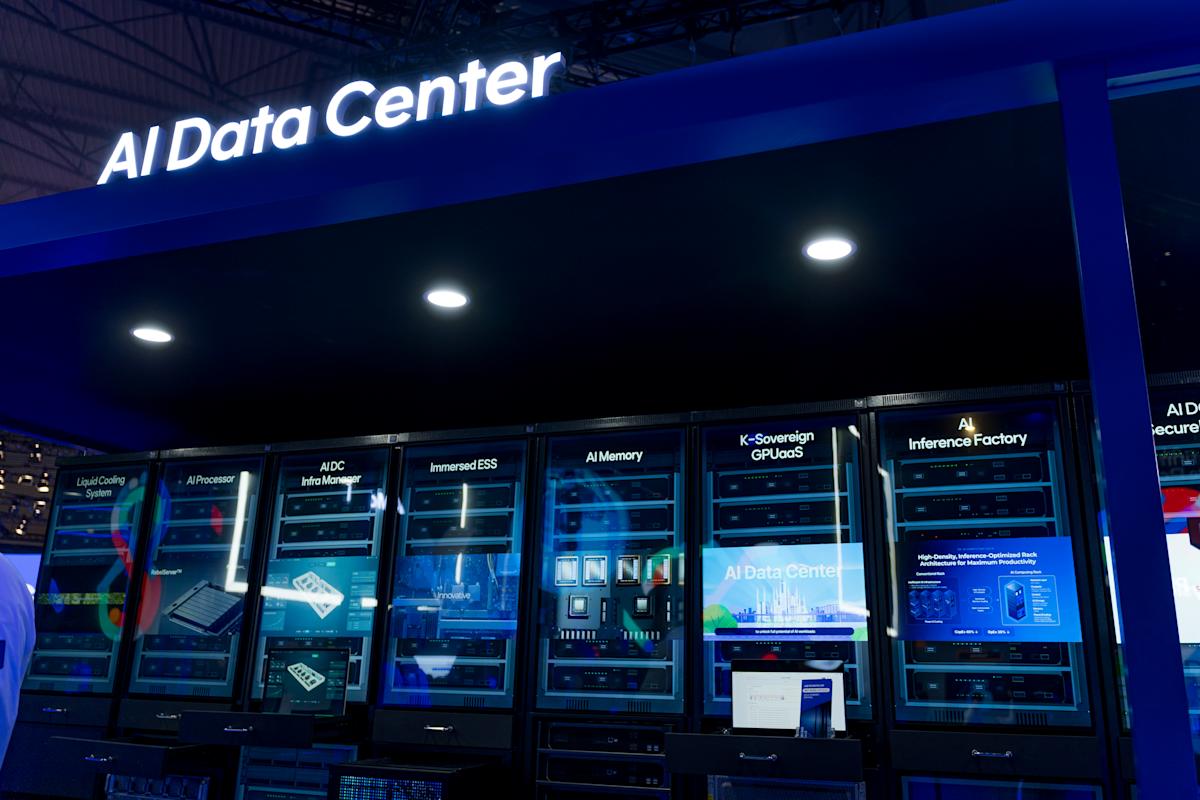
Introduction to AI Data Centers
AI data centers are capable of reducing their power draw on demand. A recent UK trial demonstrated that they can adjust their energy demands dynamically without disrupting critical workloads.
Meanwhile, this approach contrasts with data centers’ current method of always-on power draw, which can strain grids and drive up prices for everyone.
UK Trial Results
Over five days in December 2025, more than 200 simulated ‘grid events’ tested a London data center’s ability to adjust its energy use on the fly.
Additionally, the trial used software from Emerald AI, which was involved in the study.
Other partners included NVIDIA, National Grid, Nebius, and the nonprofit Electric Power Research Institute.
Key Findings
In each simulated grid event, the data center successfully adjusted its energy use to the requested level.
For example, it reduced power draw by up to 40 percent, while critical workloads continued to run as normal throughout the trial.
Furthermore, the data center successfully reacted to spikes in demand during soccer match halftimes.
In one case, it reduced its power draw by 10 percent for up to 10 hours.
Future Plans
The study will serve as a blueprint for a 100MW ‘power-flexible AI factory’ that NVIDIA plans to operate in Virginia.
Therefore, this trial proves that NVIDIA-powered infrastructure can act as a grid-aware asset, modulating demand in real-time to support stability.
Conclusion
In conclusion, AI data centers can reduce their power draw on demand.
Finally, this approach can help reduce the need for costly grid upgrades and support the deployment of AI workloads.