
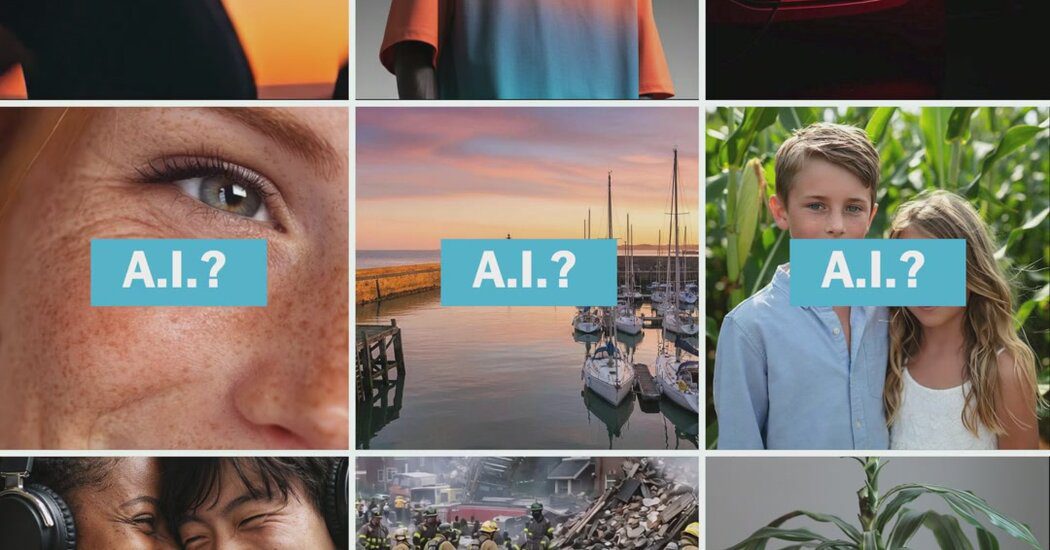
AI Detection Tools Put to the Test
Recently, tests of 12+ AI-detection tools have shown that many are capable of spotting basic fakes, but struggle with complex images. Few analyze video, and most identified fake audio.
Understanding AI Detection Tools
AI detection tools are designed to identify and flag potentially fake or manipulated content. However, the results of these tests highlight the limitations of these tools. For example, while they can detect basic fakes, they often struggle with more complex images or videos.
Meanwhile, the importance of AI detection tools cannot be overstated. As the use of AI-generated content continues to grow, the need for effective detection tools is becoming increasingly important. Therefore, it is essential to continue developing and improving these tools to stay ahead of the curve.
Current Limitations of AI Detection Tools
One of the main limitations of AI detection tools is their inability to analyze video content effectively. This is a significant concern, as video content is becoming increasingly popular. Additionally, many AI detection tools struggle to identify fake audio, which can be used to manipulate public opinion or spread misinformation.
However, despite these limitations, AI detection tools have made significant progress in recent years. For instance, they can now detect basic fakes with a high degree of accuracy. Furthermore, researchers are continually working to improve these tools, and new advancements are being made regularly.
Future Developments in AI Detection Tools
As AI detection tools continue to evolve, we can expect to see significant improvements in their ability to analyze complex images and videos. Additionally, these tools will become more effective at identifying fake audio and other types of manipulated content.
Moreover, the development of AI detection tools is not just limited to the tech industry. Governments and regulatory bodies are also taking an interest in these tools, recognizing their potential to prevent the spread of misinformation and protect public safety.
Practical Applications of AI Detection Tools
So, what are the practical applications of AI detection tools? For starters, they can be used to identify and flag fake news stories or manipulated content on social media. They can also be used to detect deepfakes, which are AI-generated videos or audio recordings that can be used to manipulate public opinion.
Additionally, AI detection tools can be used in a variety of industries, including healthcare, finance, and education. For example, they can be used to detect manipulated medical images or identify fake academic credentials.
In conclusion, AI detection tools are an essential part of our fight against misinformation and manipulated content. While they have their limitations, they have made significant progress in recent years and will continue to evolve and improve in the future.
Therefore, it is crucial to continue developing and improving these tools to stay ahead of the curve. By doing so, we can protect public safety, prevent the spread of misinformation, and ensure that AI-generated content is used responsibly.








