AI Era Parenting: The Future of Raising Kids in a Tech-Driven World
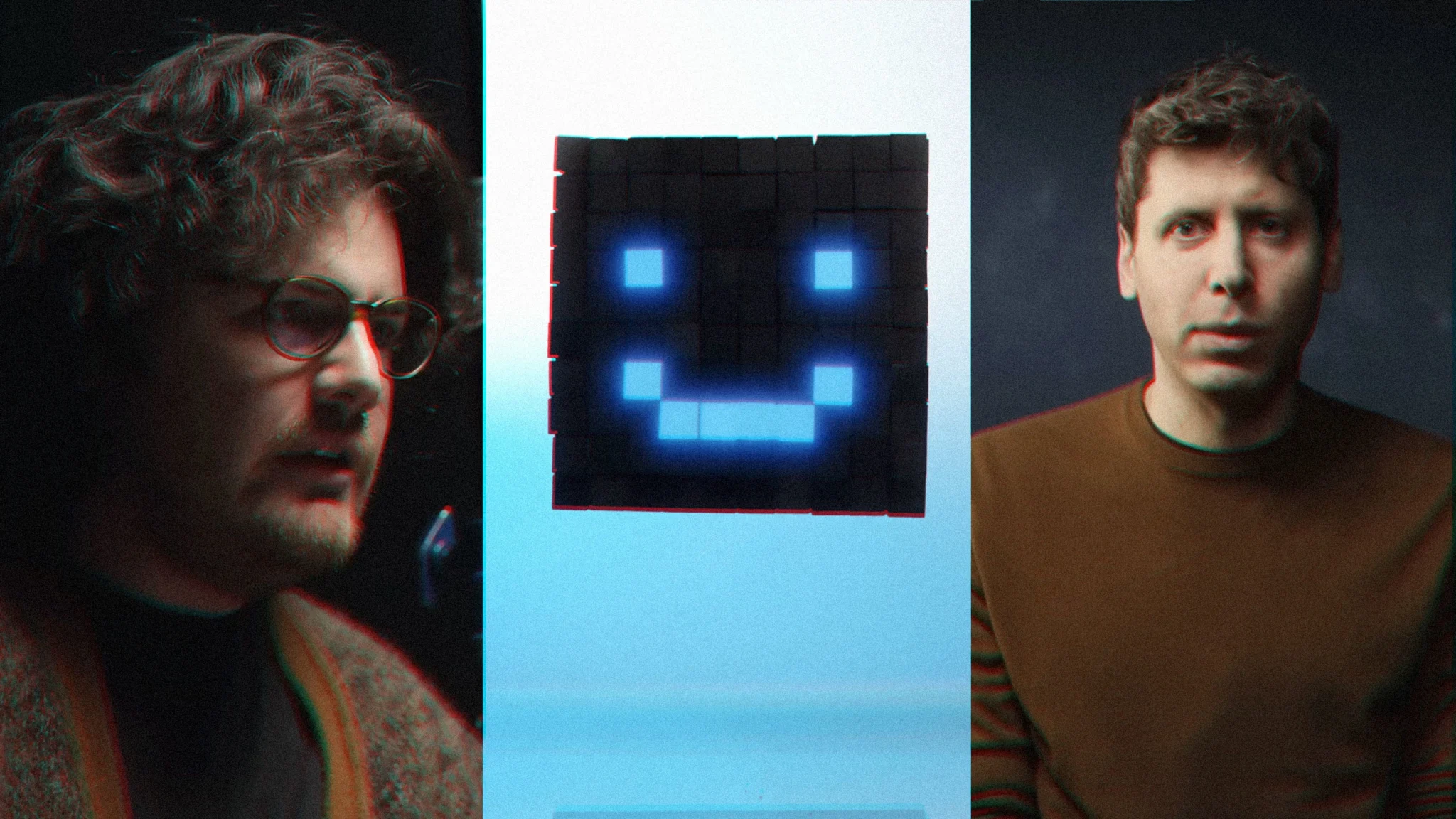
Imagine standing at a crossroads where the future of humanity intersects with artificial intelligence. That’s the premise of The AI Doc: Or How I Became an Apocaloptimist, a documentary that tackles the existential question: Is it even worth having a kid in the AI era? Directed by Charlie Tyrell and Oscar-winning filmmaker Daniel Roher, the film follows Roher’s journey as a soon-to-be father grappling with the promises and perils of AI. It’s a story that resonates deeply in 2024, when AI hype and anxiety dominate headlines.
Why This Film Matters for AI Era Parenting
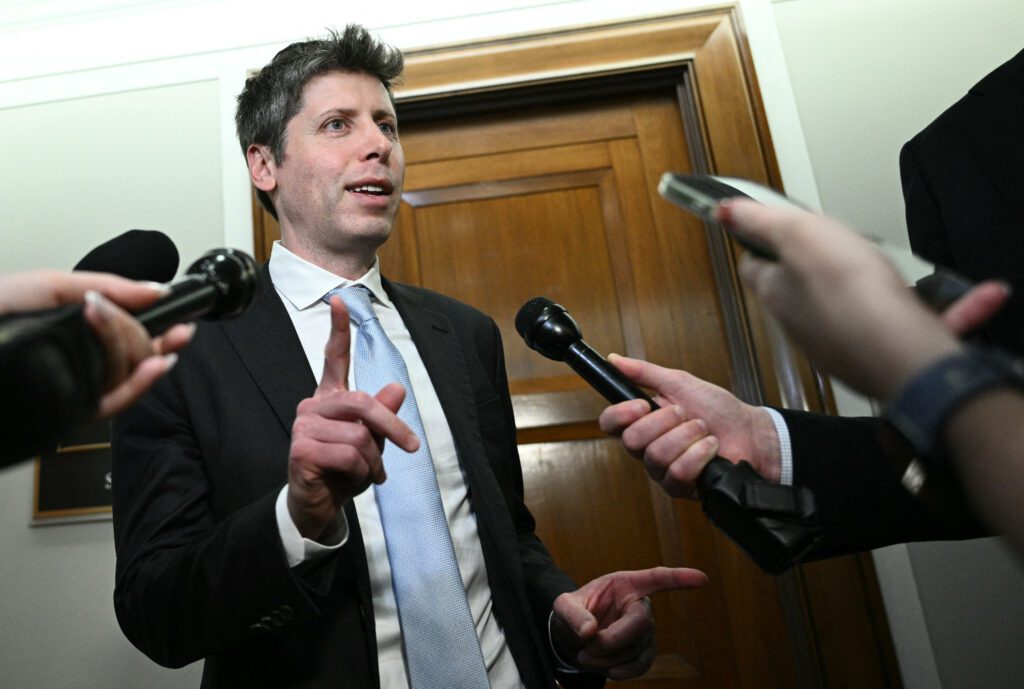
The documentary doesn’t offer easy answers. Instead, it invites viewers to confront their own values and fears. As Roher navigates conversations with AI pioneers like Sam Altman (OpenAI) and Dario Amodei (Anthropic), as well as critics like Tristan Harris (The Social Dilemma), the film reveals a spectrum of perspectives. These experts highlight how AI could reshape education, healthcare, and even the concept of childhood itself.
For parents, the stakes are personal. Will AI create a world of abundance or existential risk? Can we teach our children to thrive in a society where algorithms make life-altering decisions? These questions aren’t hypothetical—they’re urgent.
Key Themes from the Documentary
- AI’s Dual Nature: The film balances utopian visions of AI solving global crises with warnings about job displacement and ethical dilemmas.
- Parental Anxiety: Roher’s personal journey mirrors the fears of many: How do we protect future generations from AI’s risks while embracing its benefits?
- Human Agency: Experts emphasize that AI’s impact depends on how we design and regulate it—a call to action for proactive parenting and policymaking.
The Skeptics’ Perspective: AI Era Parenting as a Risk
Some experts in the film sound alarm bells. Tristan Harris, a former Google design ethicist, warns that AI could erode human autonomy. He draws parallels to social media’s manipulative design, arguing that unchecked AI might prioritize profit over people. For parents, this raises a critical question: Will our children grow up in a world where technology amplifies the best of humanity—or the worst?
Meanwhile, researchers like those at the Future of Life Institute stress the importance of preparing for AI-driven job markets. “We’re not just talking about robots taking jobs,” one expert explains. “We’re talking about entire industries being redefined in our lifetimes.” This reality demands a shift in how we educate and mentor the next generation.
Practical Tips for AI-Era Parents
- Teach Digital Literacy: Help children understand how AI works and how to question its decisions.
- Model Ethical Tech Use: Demonstrate responsible behavior with AI tools, emphasizing privacy and critical thinking.
- Stay Informed: Follow AI developments and engage in community discussions about regulation and ethics.
The Utopian Vision: AI as a Force for Good
Not all news is bleak. The documentary also showcases AI’s potential to solve climate change, cure diseases, and democratize education. Sam Altman envisions a future where AI handles mundane tasks, freeing humans to pursue creativity and connection. For parents, this could mean more time for family and less stress from work-life balance.
Anthropic’s Dario Amodei highlights AI’s role in personalized learning. “Imagine a world where every child gets a tutor tailored to their unique needs,” he says. This optimism isn’t naive—it’s a call to shape AI’s development with empathy and foresight.
Why the Film Resonates
After screenings at SXSW and beyond, audiences report feeling both unsettled and inspired. The film’s power lies in its honesty: It doesn’t promise solutions but encourages dialogue. As one viewer put it, “Leaving the theater, I realized I needed to talk to my spouse about our values—and how we’ll raise our kids in this new world.”
Conclusion: Embracing the AI Era with Purpose
The AI Doc challenges us to think beyond fear and hope. For parents, the message is clear: The future isn’t predetermined. By staying informed, advocating for ethical AI, and nurturing resilience in our children, we can shape a world where technology enhances—not replaces—human potential.
Take Action: Watch The AI Doc when it hits theaters on March 27. Then, start a conversation with your family or community about AI’s role in your lives. The future of AI era parenting begins today.