Understanding the Impact of AI on Artistic Ownership
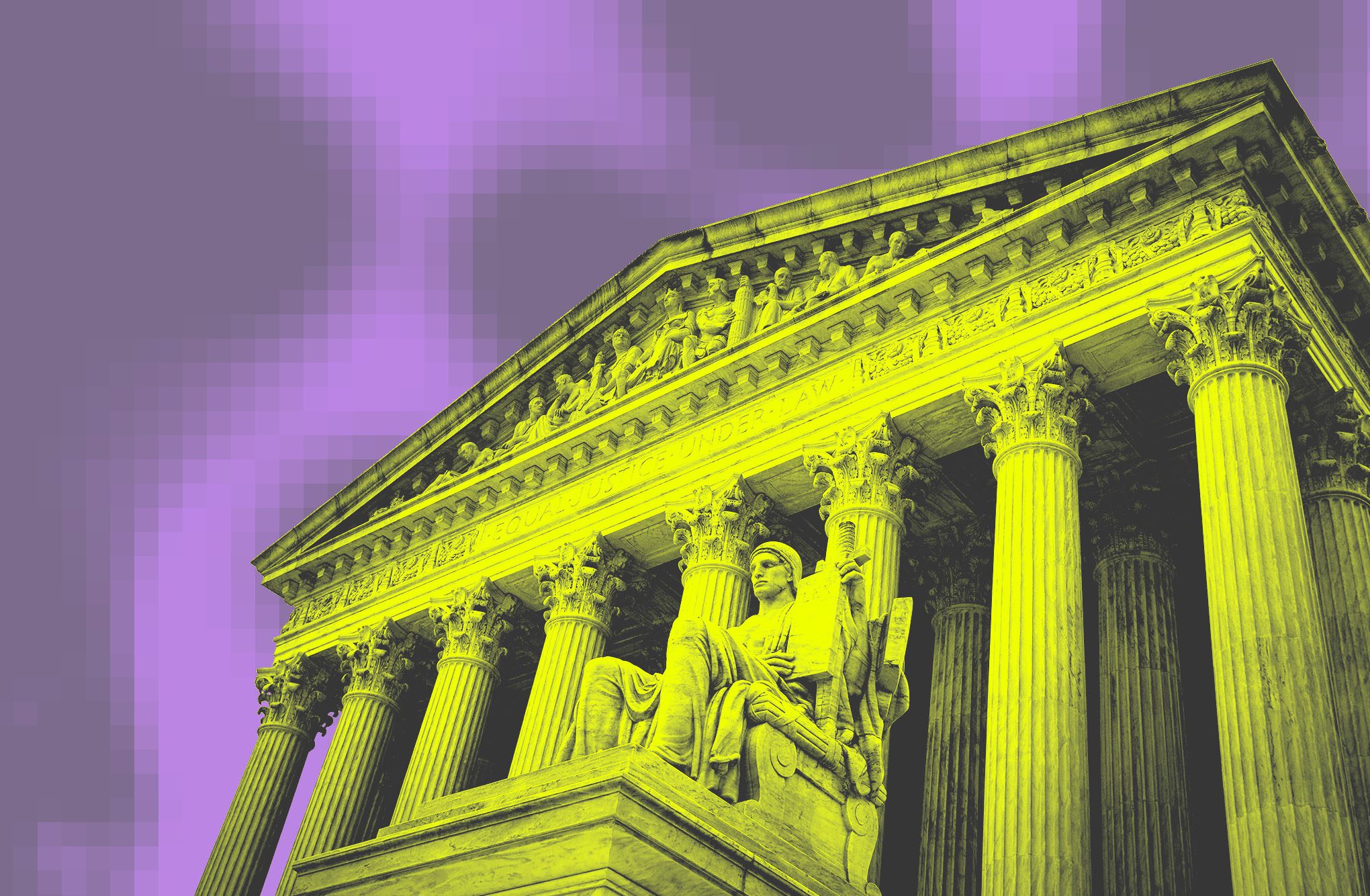
The US Supreme Court has made a significant decision regarding AI-generated art, determining that it cannot be copyrighted. This ruling follows a case involving Stephen Thaler, a computer scientist who appealed a court’s decision to reject his request for a copyright on an AI-generated image.
What Does This Mean for AI-Generated Art?
The decision emphasizes that human authorship is a fundamental requirement for copyright protection. As a result, AI-generated art, which lacks human input, does not qualify for copyright. This has significant implications for the creative industry, as it raises questions about ownership and protection of AI-generated content.
For example, if an artist uses AI to generate a piece of art, who owns the rights to that art? The artist, the AI system, or someone else entirely? The answer to this question is still unclear, but the Supreme Court’s decision suggests that the artist may not have the same level of ownership as they would with traditionally created art.
Implications for the Creative Industry
The ruling has sparked debate about the role of AI in the creative process. While AI can be a powerful tool for generating new ideas and content, it also raises concerns about authorship and ownership. As AI-generated art becomes more prevalent, it is essential to establish clear guidelines and regulations to protect the rights of creators and owners.
Additionally, the decision highlights the need for further discussion and clarification on the intersection of AI and copyright law. As technology continues to evolve, it is crucial to ensure that our laws and regulations keep pace, providing a framework that supports innovation while protecting the rights of creators and owners.
In conclusion, the Supreme Court’s decision on AI-generated art and copyright law has significant implications for the creative industry. While it raises questions about ownership and protection, it also highlights the need for further discussion and clarification on the role of AI in the creative process.