Introduction to AI-Generated Videos
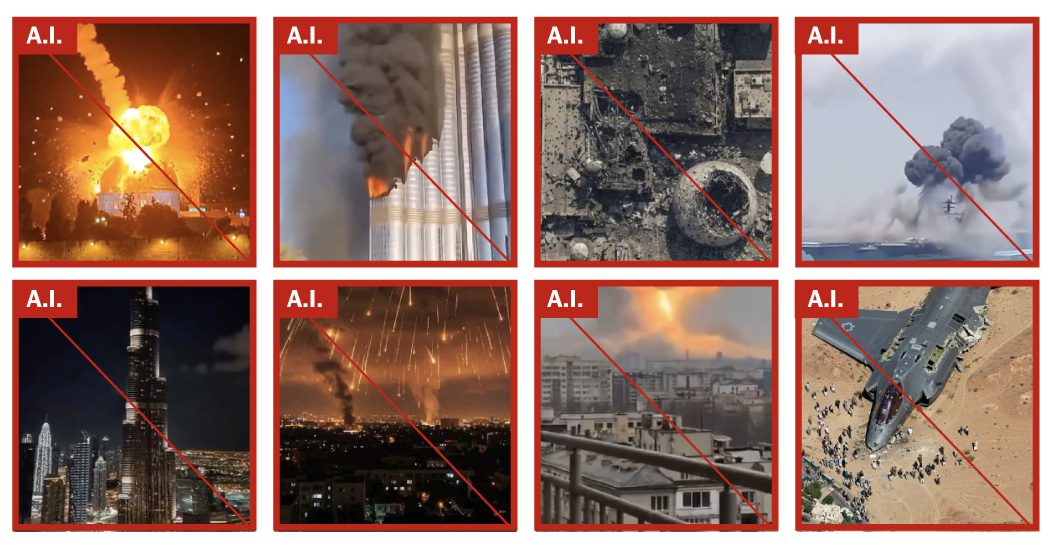
The rise of AI-generated videos on social media has become a significant concern, especially in the context of the war in Iran. A recent study found that most AI-generated videos about the war push pro-Iranian views, often exaggerating its military capabilities and sophistication.
Meanwhile, the use of AI-generated content has become increasingly widespread, with many social media platforms struggling to keep up with the sheer volume of fake videos and images. Additionally, the global RAM shortage has driven up console prices, affecting the gaming industry.
Impact of AI-Generated Videos on Social Media
For example, a torrent of fake videos and images generated by artificial intelligence has overrun social networks during the first weeks of the war in Iran. Furthermore, the use of AI-generated content has been linked to a coordinated campaign to manipulate the war narrative.
However, the problem of AI-generated fake news is not limited to the war in Iran. Therefore, it is essential to develop effective strategies to detect and mitigate the spread of disinformation on social media.
Consequences of AI-Generated Fake News
The consequences of AI-generated fake news can be severe, ranging from the manipulation of public opinion to the erosion of trust in institutions. Moreover, the use of AI-generated content can have significant implications for national security and global stability.
Meanwhile, the gaming industry is shaping up to be one of the AI boom’s biggest casualties, with job losses and rising console prices due to the global RAM shortage. Additionally, the use of AI-generated content in gaming has raised concerns about the potential for manipulation and exploitation.
Strategies to Combat AI-Generated Fake News
To combat the spread of AI-generated fake news, it is essential to develop effective strategies for detecting and mitigating disinformation on social media. For instance, social media platforms can use AI-powered algorithms to identify and remove fake content.
Furthermore, individuals can take steps to protect themselves from AI-generated fake news by being critical of the information they consume on social media. Additionally, fact-checking initiatives and media literacy programs can help to promote a culture of critical thinking and skepticism.
Conclusion and Call to Action
In conclusion, the rise of AI-generated videos on social media poses a significant threat to truth and democracy. Therefore, it is essential to take action to combat the spread of disinformation and promote a culture of critical thinking and skepticism.
Finally, we urge social media platforms, governments, and individuals to work together to develop effective strategies to detect and mitigate the spread of AI-generated fake news. By taking action, we can help to protect the integrity of our democratic institutions and promote a more informed and engaged citizenry.