Introduction to AI in Filmmaking
As an instructor of a course on AI and filmmaking at USC’s School of Cinematic Arts, I’ve noticed a significant shift in how artificial intelligence is impacting the film industry.
Meanwhile, the rapid evolution of AI’s relationship to filmmaking has led me to structure my classes just the night before, ensuring the most current and provocative content is discussed.
For example, I browse platforms like X, Substack, and YouTube to select the most thought-provoking articles and video clips for the next day’s class.
Evolution of AI in Filmmaking
The field is moving so quickly that each week brings new developments, often startling ones.
Therefore, my students and I engage in lively debates about the ethics, aesthetics, and storytelling changes that arise from collaborations with AI.
Additionally, we’re not alone in this discussion, as aspiring actors and filmmakers, stars, screenwriters, and studio executives all have opinions on what the future holds.
Key Trends in AI Filmmaking
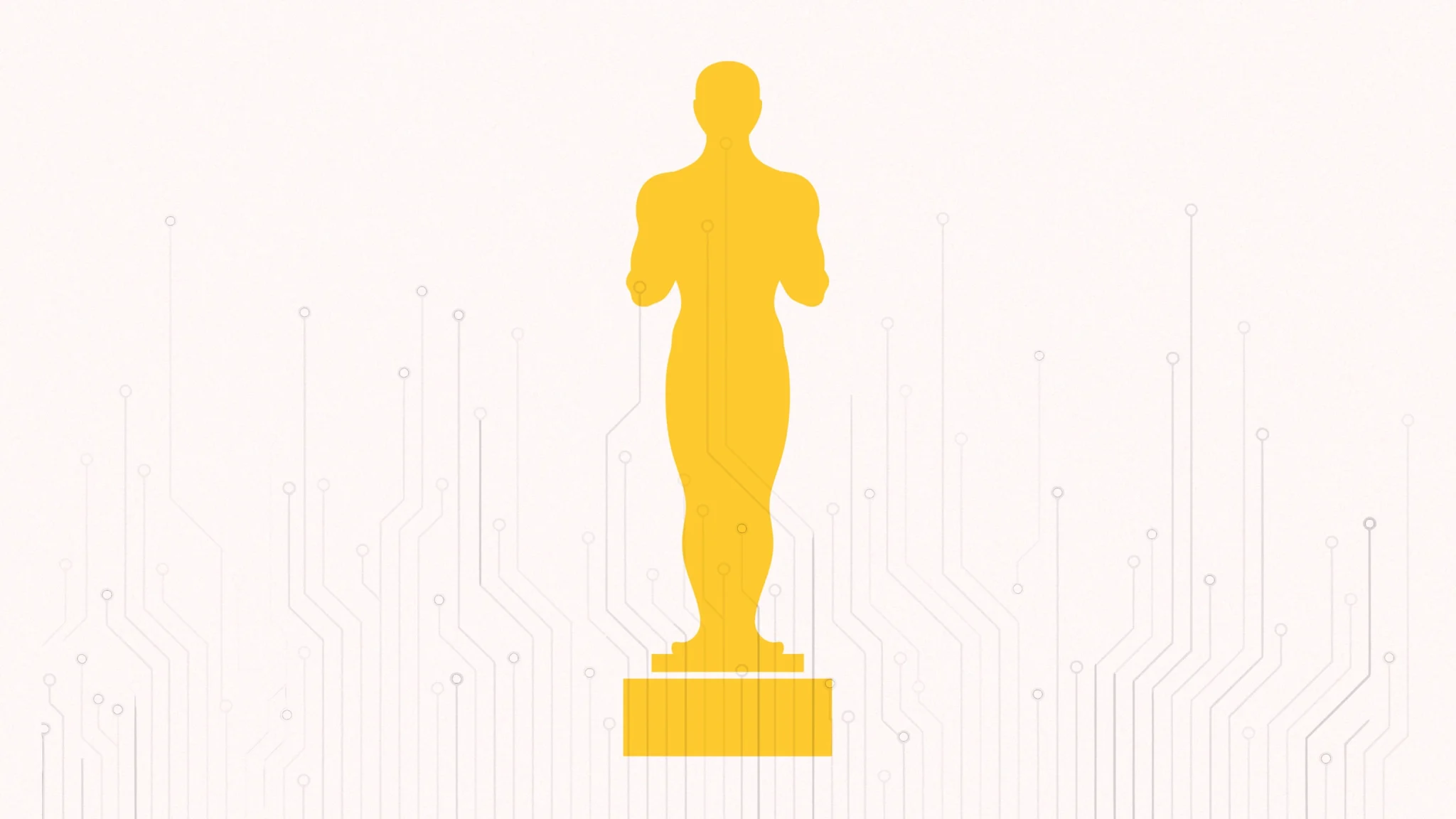
However, I believe three trends will be particularly noteworthy at this year’s Oscars parties.
Firstly, the use of AI-generated content, such as the viral 15-second video clip of Tom Cruise battling Brad Pitt, created by Irish filmmaker Ruairi Robinson using Seedance 2.0, marks a significant milestone in AI tool growth.
Secondly, the integration of AI in filmmaking processes, from scriptwriting to post-production, is becoming more prevalent.
Finally, the ethical considerations surrounding AI-generated content, such as ownership and authorship, will continue to be a topic of discussion.
Impact of AI on Filmmaking
The impact of AI on filmmaking is multifaceted, with both positive and negative consequences.
On the one hand, AI can enhance the creative process, allowing filmmakers to explore new ideas and techniques.
On the other hand, AI-generated content raises questions about the role of human creators in the filmmaking process.
Meanwhile, the use of AI in filmmaking also has significant implications for the film industry as a whole, from job displacement to new business opportunities.
Future of AI in Filmmaking
As the film industry continues to evolve, it’s essential to consider the potential future developments in AI filmmaking.
For instance, the use of AI in virtual production, such as creating virtual sets and characters, is becoming increasingly popular.
Additionally, the integration of AI in film distribution and marketing, such as personalized trailers and advertising, is also on the rise.
Therefore, it’s crucial for filmmakers and industry professionals to stay informed about the latest trends and developments in AI filmmaking.
Conclusion
In conclusion, the relationship between AI and filmmaking is rapidly evolving, with significant implications for the film industry.
As we move forward, it’s essential to consider the ethical, aesthetic, and storytelling changes that arise from collaborations with AI.
Finally, by staying informed and engaged, we can ensure that the future of filmmaking is both exciting and responsible.