AI in Legal Profession: Embracing Change for Justice
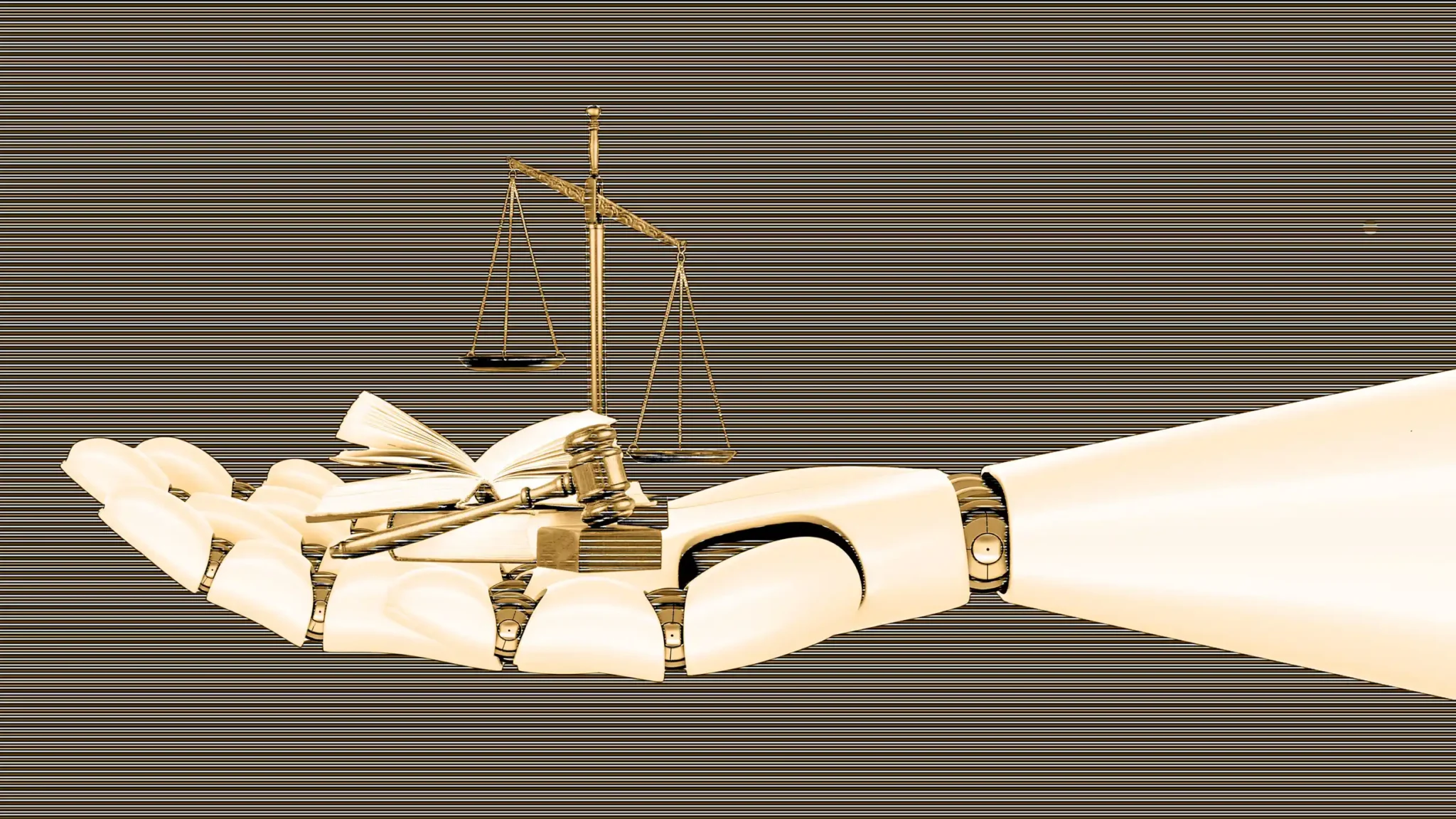
For decades, a legal degree was seen as a golden ticket—a career path immune to automation. Today, that certainty is fading. Generative AI tools are answering legal questions, automating tasks, and challenging the traditional role of lawyers. While some fear robots will replace attorneys, the real crisis lies in access to justice. Let’s explore how the legal profession can harness AI to solve this problem, not avoid it.
The Cost Crisis and Rise of Legal Tech
Legal services remain out of reach for most Americans. The average hourly rate for a lawyer exceeds $300, while millions face eviction, foreclosure, or identity theft without representation. Enter AI-driven legal startups. Platforms like Anthropic’s AI tools are automating document review, contract analysis, and even court filing assistance. These innovations are attracting billions in funding, but they also raise urgent questions: Can AI deliver reliable legal guidance? And what happens when it fails?
The Risks of Unchecked AI
Recent reports reveal a troubling trend: AI “hallucinations” are causing real-world harm. In nearly 1,000 documented cases, AI-generated legal advice cited fabricated court decisions, leading to fines and legal setbacks. When unrepresented litigants rely on these errors, the consequences are devastating. This highlights a critical gap: while AI can scale legal services, it cannot yet replace the ethical responsibility of trained professionals.
Historical Parallels: Law and Technology
This isn’t the first time technology disrupted the legal field. The 20th century saw typewriters, telephones, and telegraphs streamline legal work. Lawyers adapted, using these tools to serve corporate clients more efficiently. Today’s AI tools offer similar potential—if the profession embraces them strategically. The challenge isn’t resisting change but ensuring these tools expand access to justice, not undermine it.
Where AI Falls Short
- Complex Negotiations: AI struggles with nuanced human interactions, like mediating disputes or building trust in sensitive cases.
- Ethical Judgment: Legal decisions often require moral reasoning beyond algorithmic logic.
- Local Knowledge: AI lacks the contextual understanding of local laws and court procedures that experienced lawyers provide.
A Path Forward: Lawyers as AI Partners
The solution lies in collaboration. Lawyers can use AI to handle routine tasks—drafting contracts, researching case law—while focusing on high-stakes advocacy. For example, AI-powered platforms could help low-income tenants prepare eviction defenses or guide immigrants through paperwork. This hybrid model preserves the human element while making legal aid affordable at scale.
Practical Steps for Legal Professionals
- Adopt AI Tools: Integrate AI into workflows for document review and client intake.
- Train for New Skills: Develop expertise in AI ethics and data privacy.
- Advocate for Regulation: Push for standards to prevent AI-generated legal errors.
Conclusion: The Future of Legal Justice
The legal profession stands at a crossroads. Fighting AI’s rise is futile; adapting is essential. By embracing these tools responsibly, lawyers can bridge the justice gap, ensuring millions no longer face legal crises alone. The robots aren’t here to replace attorneys—they’re here to help us serve more people, faster and more fairly.
FAQs
Can AI in the legal profession truly improve access to justice?
Yes, but only if lawyers guide its use. AI can automate routine tasks, freeing professionals to focus on complex cases. However, ethical oversight is critical to prevent errors and ensure equitable outcomes.
What are the biggest risks of AI in legal services?
The primary risks include “hallucinations” (fabricated legal sources) and over-reliance on tools that lack human judgment. These issues highlight the need for rigorous testing and human review of AI-generated advice.
How can lawyers stay relevant in an AI-driven world?
By mastering AI tools and focusing on uniquely human skills: empathy, ethical reasoning, and strategic thinking. Lawyers who adapt will thrive; those who resist will be left behind.
Are there successful examples of AI in legal practice?
Yes. Platforms like DoNotPay help users contest traffic tickets, while AI-powered contract analysis tools save law firms thousands of hours. These examples show AI’s potential when used as a supplement, not a replacement.
What’s the role of regulation in AI-driven legal tech?
Regulation must ensure transparency, accountability, and fairness. Governments and legal bodies should establish standards for AI accuracy, data privacy, and bias mitigation in legal applications.