OpenAI’s Pentagon Deal Sparks Ethical Debate
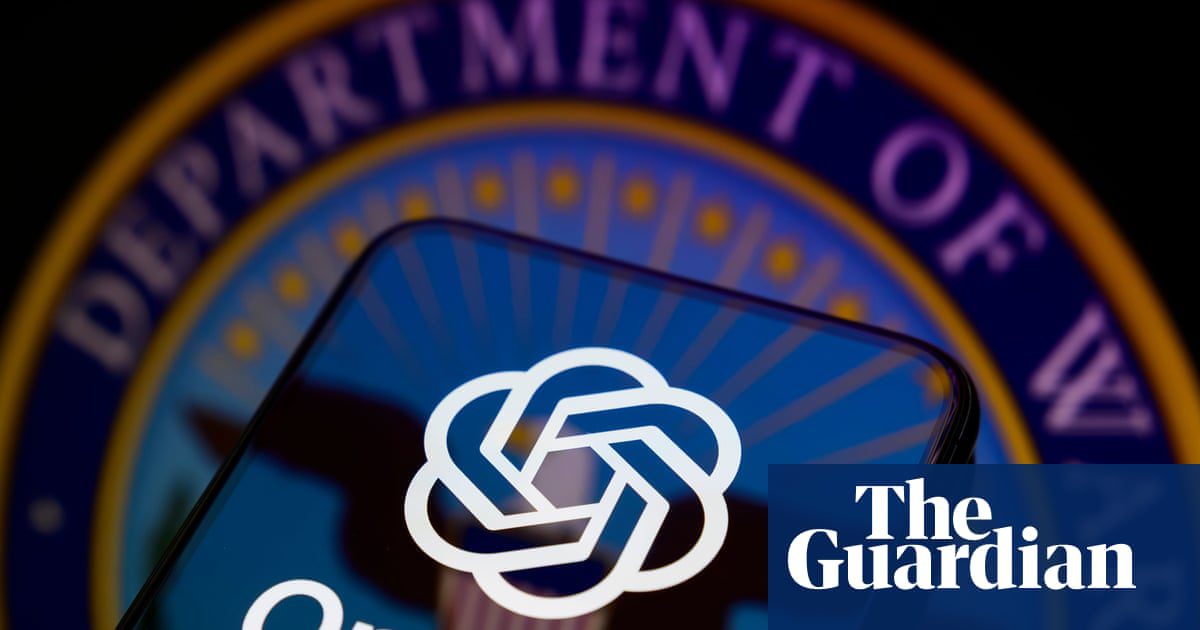
The recent OpenAI-Pentagon AI contract has ignited fierce controversy, with employees at OpenAI and Google raising alarms about military use of AI. CEO Sam Altman admitted the deal initially appeared ‘opportunistic and sloppy,’ prompting swift backlash from users and tech workers.
Key Contract Restrictions
- Explicit ban on mass surveillance applications
- No deployment for autonomous weapons systems
- Exclusion from intelligence agencies like NSA
Employee Backlash and Ethical Concerns
Over 900 tech workers from OpenAI and Google signed an open letter demanding their companies reject military contracts for surveillance and autonomous killing. They warned against government pressure to ‘divide and conquer’ tech firms.
Industry Reactions
Former OpenAI policy head Miles Brundage questioned the deal’s ethics, suggesting it might represent ‘caving to government demands.’ Meanwhile, Anthropic’s exit from Pentagon contracts led to its AI chatbot Claude surpassing ChatGPT in popularity.
Broader Implications for AI Governance
The controversy highlights systemic risks in AI development. Three US cabinet departments have halted Anthropic use following Trump’s executive order, while OpenAI faces scrutiny over its ‘war machine’ accusations.
Public Response
- Online ‘delete ChatGPT’ campaigns gained traction
- Comparisons to 2013 NSA surveillance scandal
- Concerns about AI’s role in autonomous warfare
What’s Next for AI Ethics?
As tech giants navigate military partnerships, the debate over AI ethics continues. OpenAI’s revised contract framework may set new industry standards, but questions remain about accountability and oversight.
Call to Action
Stay informed about AI policy developments and consider how emerging technologies impact democratic values. Share your perspective on responsible AI use in the comments below.