
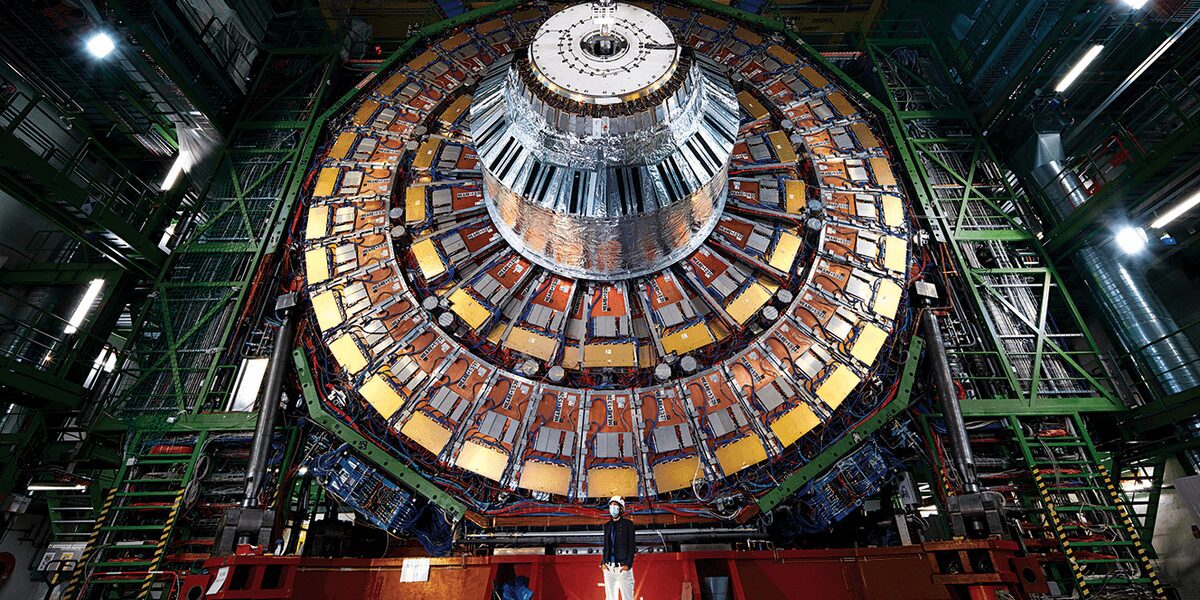
Letting Machines Decide What Matters
AI systems are now being used in particle detectors to shape what physicists study. For example, at CERN, AI algorithms help decide what data gets saved, thereby influencing the direction of research.
How AI is Changing Physics Research
Meanwhile, the use of AI in physics research is becoming increasingly common. Additionally, AI algorithms can analyze large amounts of data quickly and accurately, allowing physicists to focus on more complex tasks. However, this also raises questions about the role of human judgment in scientific research.
Furthermore, AI systems can identify patterns in data that may not be immediately apparent to humans. Therefore, AI is becoming an essential tool for physicists, enabling them to make new discoveries and gain a deeper understanding of the universe.
The Benefits and Challenges of AI in Physics
On the one hand, AI can help physicists analyze large amounts of data and identify patterns that may lead to new discoveries. On the other hand, there is a risk that AI algorithms may miss important information or introduce biases into the research process.
For instance, AI algorithms may be trained on data that is incomplete or biased, which can affect the accuracy of the results. However, by using AI in a responsible and transparent way, physicists can minimize these risks and maximize the benefits of AI in their research.
Finally, as AI continues to evolve and improve, it is likely to play an increasingly important role in physics research. Therefore, it is essential for physicists to stay up-to-date with the latest developments in AI and to consider the potential implications of AI for their research.








