Understanding the Impact of War on the AI Industry
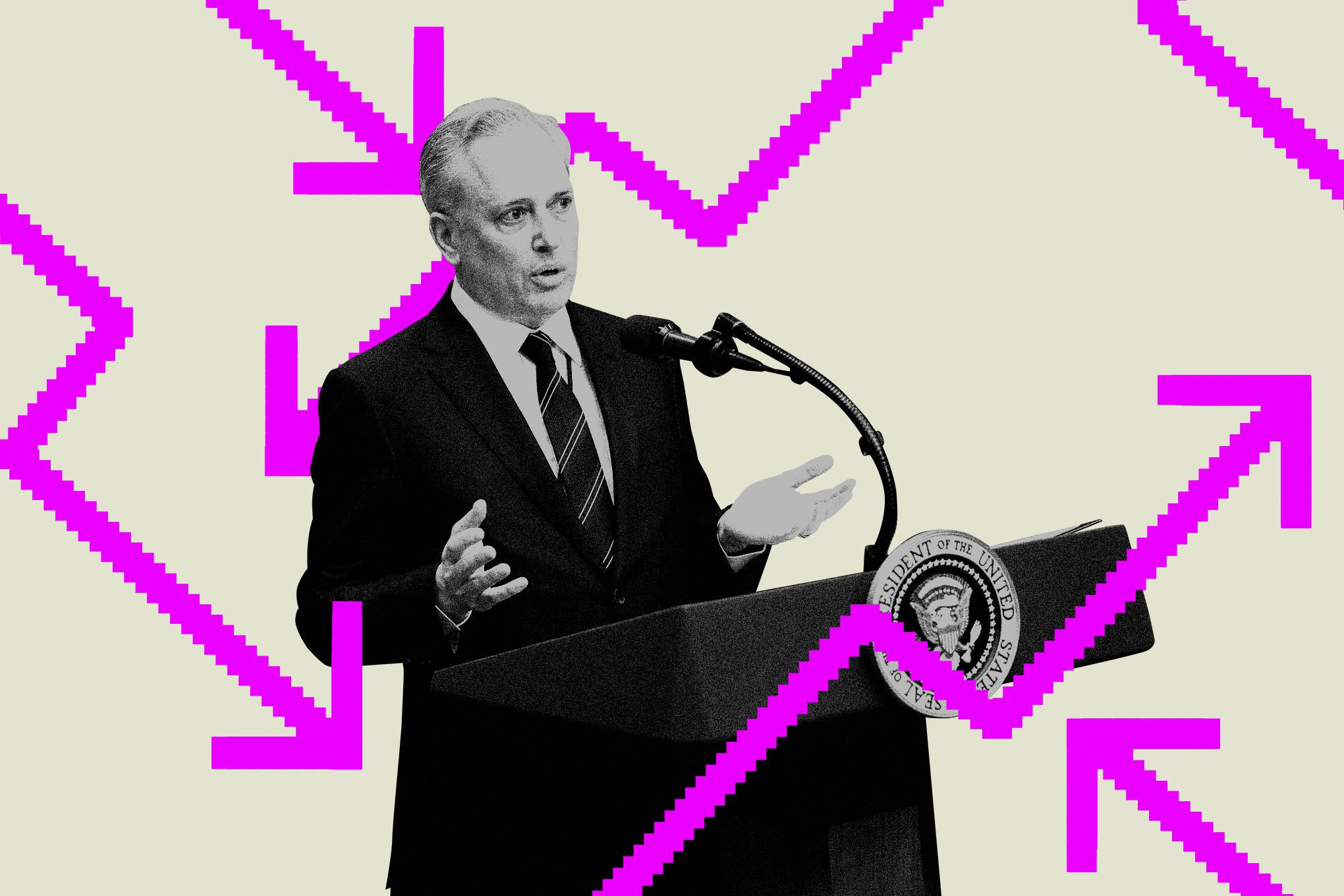
The ongoing conflict in Iran has sparked concerns across various sectors, including the AI industry. David Sacks, the White House’s AI and crypto czar, has warned that a continued war could be catastrophic. Meanwhile, the threat to the AI industry is becoming increasingly evident.
The AI Industry at Risk
Iranian drone strikes have already forced QatarEnergy to shut down production of liquefied natural gas and helium. Additionally, the company is responsible for one-third of the world’s helium supply, which is critical for electronics and semiconductor manufacturing. Therefore, this could potentially turn into a bottleneck for the entire AI story.
However, the impact of the war on the AI industry is not limited to helium supply. The conflict also threatens to disrupt the global supply chain, leading to shortages and delays in the production of AI-related technologies. For example, the war could lead to a shortage of rare earth minerals, which are essential for the production of AI hardware.
Consequences for the Global Economy
The consequences of a prolonged war in Iran could be severe for the global economy. The war could lead to a significant increase in oil prices, which would have a ripple effect on the entire economy. Furthermore, the war could also lead to a decline in investor confidence, leading to a decrease in investments in the AI industry.
Meanwhile, the war could also have a humanitarian impact. The conflict could lead to a shortage of food and water, particularly in the Middle East region. Additionally, the war could lead to a massive displacement of people, leading to a refugee crisis.
A Call for Peace
In light of these concerns, it is essential to find a peaceful resolution to the conflict. David Sacks has called for an “off-ramp” to the war, emphasizing the need to find a diplomatic solution. Moreover, the international community must come together to address the humanitarian crisis and prevent further escalation of the conflict.
Finally, the AI industry must also take steps to mitigate the impact of the war. This could include diversifying supply chains, investing in alternative technologies, and developing contingency plans for potential disruptions. By working together, we can minimize the impact of the war on the AI industry and ensure that the sector continues to thrive.
In conclusion, the war in Iran poses a significant threat to the AI industry. However, by understanding the risks and taking proactive steps, we can mitigate the impact of the conflict and ensure that the AI industry continues to grow and develop. Therefore, it is essential to find a peaceful resolution to the conflict and to work together to address the humanitarian crisis.