
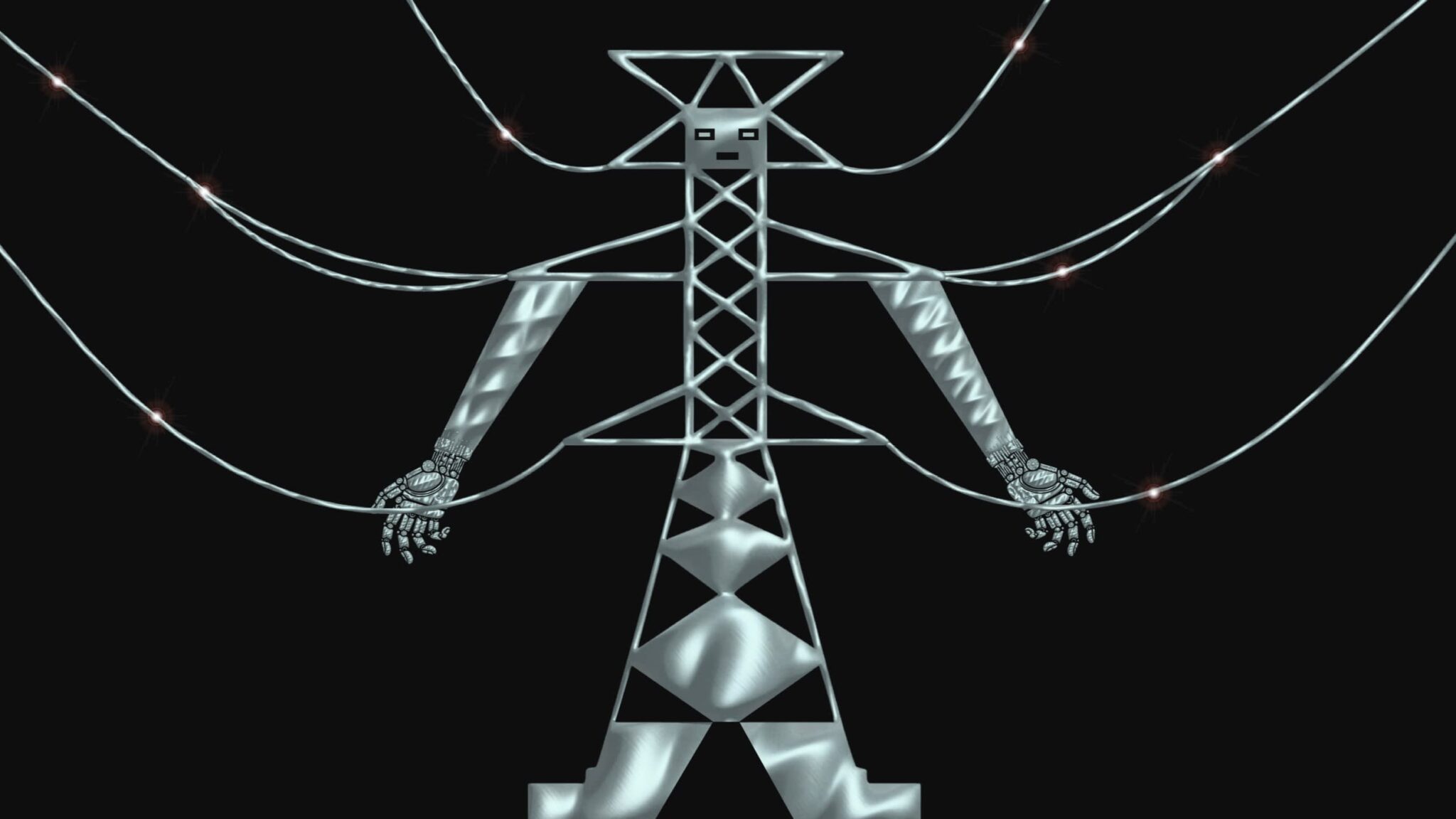
AI Infrastructure Challenges Threaten US Tech Leadership
Artificial intelligence is reshaping industries, but a looming crisis could stall America’s AI ambitions. Power grid limitations, data center energy demands, and infrastructure gaps are creating a perfect storm that risks undermining the nation’s tech leadership. As companies like NVIDIA and Anthropic push AI innovation, the physical systems supporting these advancements are reaching critical capacity thresholds.
The Power Crisis Behind AI’s Growth
Modern AI training requires exascale computing power—equivalent to the energy consumption of small cities. Data centers now account for 2% of global electricity use, with AI workloads driving exponential growth. This surge is straining aging power grids, particularly in tech hubs like Texas and California.
Key Infrastructure Bottlenecks
- Grid Capacity Limits: 45% of US data centers report power constraints as a major growth barrier
- Renewable Integration: Only 12% of AI facilities use 100% renewable energy
- Chip Manufacturing: Semiconductor foundries require 200-300 megawatts per facility
Why Grid Limitations Matter for AI
Power availability directly impacts AI innovation cycles. When NVIDIA launched its H100 GPUs, energy costs became a key consideration for customers. Anthropic recently delayed a major AI model release due to data center power shortages. These examples highlight how infrastructure constraints are now shaping technological progress.
Industry Responses to Energy Challenges
- On-Site Generation: Google and Microsoft are building microgrids with solar/wind arrays
- Energy-Efficient Chips: Cerebras and Graphcore developing low-power AI accelerators
- Grid Modernization: $1.2 trillion in US infrastructure funding targeting smart grid upgrades
Solutions for Sustainable AI Infrastructure
Experts recommend a multi-pronged approach to address these challenges. The Department of Energy’s recent $1.5 billion investment in clean energy for data centers shows the scale of the problem. Here’s how the industry can adapt:
Immediate Action Steps
- Adopt liquid cooling systems to reduce energy waste
- Implement AI-driven grid optimization algorithms
- Partner with local utilities for demand-response programs
The Global Race for AI Supremacy
China’s state-backed AI initiatives benefit from centralized energy planning, while EU regulations prioritize green AI infrastructure. The US faces a critical choice: invest in grid modernization or risk falling behind in the global AI arms race. With AI infrastructure challenges growing more urgent by the day, decisive action is required to maintain technological leadership.
Future Outlook
By 2030, AI energy demands could exceed current US grid capacity by 40%. This makes infrastructure planning not just a technical issue, but a national priority. The solutions will require collaboration between policymakers, energy providers, and tech innovators to build a resilient foundation for AI’s next evolution.








