AI Privacy & Security: Busting Myths for Real-World Solutions
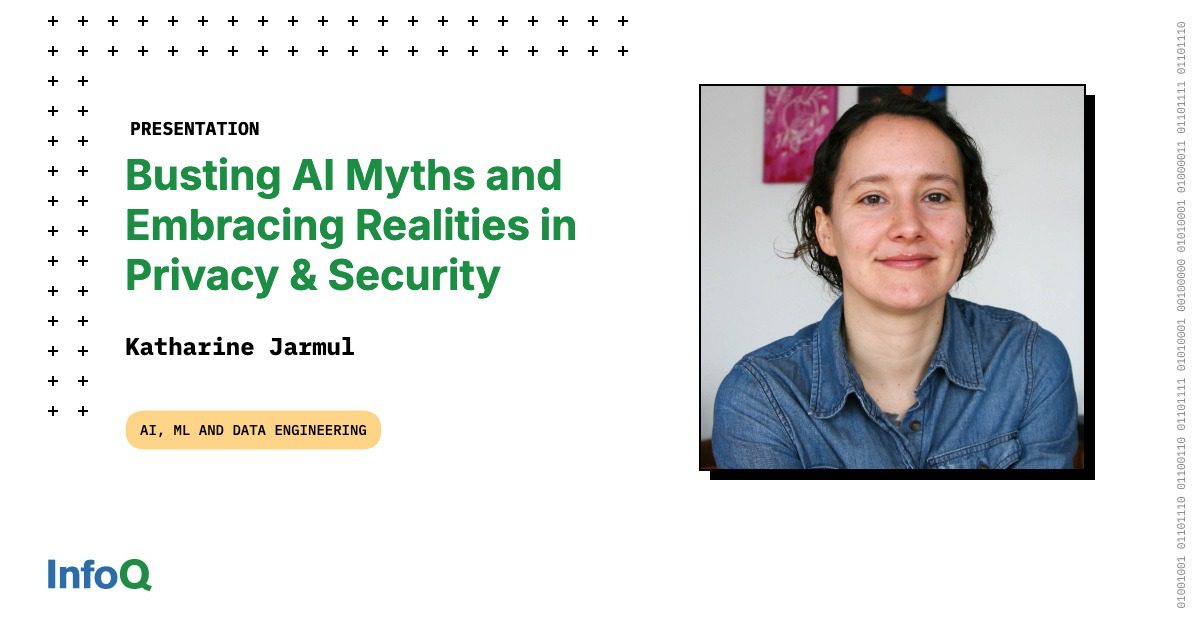
As AI systems evolve from assistants to autonomous agents, privacy and security teams face a critical challenge: balancing innovation with protection. Katharine Jarmul, a leading voice in AI ethics, reveals how organizations are struggling to adapt legacy security frameworks to modern AI workflows. Let’s explore the myths, realities, and actionable strategies to build trustworthy systems.
Common Myths in AI Privacy and Security
“AI is Too Complex for Privacy Measures”
Many assume AI’s complexity makes privacy impossible. However, Anthropic’s recent report shows AI systems are now handling complex automation tasks. This shift demands new privacy approaches, not excuses. The myth that AI is inherently insecure overlooks decades of security best practices that can be adapted.
“Security is Someone Else’s Problem”
Security blame culture persists in organizations. When teams report zero incidents, it often signals a lack of psychological safety—not perfect security. As Jarmul notes, “If people fear repercussions for mistakes, they’ll hide issues instead of solving them.” This mindset creates blind spots in AI system development.
The Reality of AI Security Threats
Automation Creates New Vulnerabilities
Modern AI systems automate tasks like data processing and decision-making. This automation introduces risks: if an AI agent misclassifies sensitive data or leaks credentials during training, the consequences can be catastrophic. The Anthropic report highlights increased automation, but without proper guardrails, these systems become attack surfaces.
Myth: Zero Incidents = Perfect Security
Organizations often treat zero reported incidents as a security success. Jarmul counters this: “Zero incidents usually means people are afraid to report problems.” This culture of fear prevents teams from addressing real threats proactively.
Design Patterns for Secure AI Systems
1. Privacy by Design
- Implement data minimization from the model training phase
- Use differential privacy techniques for sensitive datasets
- Build audit trails into AI decision pipelines
2. Security-First Automation
- Require human oversight for high-risk AI decisions
- Encrypt model weights and training data at rest/motion
- Implement access controls for AI infrastructure
Building a Culture of Trust
Security teams must shift from fearmongering to education. Jarmul emphasizes: “Selling security through panic doesn’t work.” Instead, focus on practical solutions like:
- Creating incident reporting systems without blame
- Training developers in secure AI practices
- Establishing clear AI security ownership models
Conclusion: Secure AI is Possible
AI privacy and security aren’t impossible—they require adapting traditional security principles to modern workflows. By busting myths about AI’s inherent insecurity and embracing practical design patterns, organizations can build systems that protect both users and business interests. Start with small, measurable steps toward secure AI adoption.
Call to Action: Ready to implement secure AI practices? Download our AI Security Checklist for 10 actionable steps to protect your AI systems today.
FAQs
What are the biggest myths in AI privacy and security?
Common myths include the belief that AI is too complex for privacy measures and that zero reported incidents equals perfect security.
How can organizations build secure AI systems?
Implement privacy-by-design principles, use encryption for sensitive data, and establish clear security ownership models.
Why is psychological safety important for AI security?
Without trust, teams may hide security issues rather than report them. A blame-free culture enables proactive threat detection.
What’s the role of human oversight in AI security?
Human review is critical for high-risk decisions, ensuring AI systems don’t make irreversible security mistakes autonomously.
How can security teams avoid fearmongering?
Focus on practical solutions rather than hypothetical threats. Provide clear, actionable guidance for securing AI systems.