AI Scams: How Criminals Use AI in Romance and Legal Fraud
Generative AI is making old scams feel new again—not by inventing brand-new crimes, but by smoothing out the parts that used to trip criminals up. When messages are fluent, confident, and tailored, it gets harder to tell whether you’re talking to a real person or someone running a script at scale.
How AI Scams Target Romance Fraud
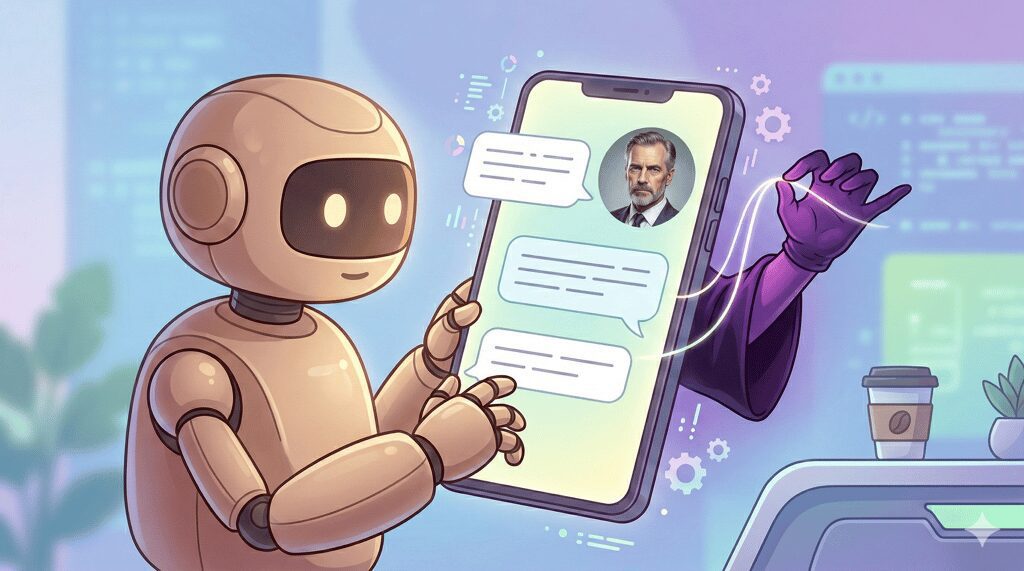
Scammers are leveraging tools like ChatGPT to scale romance fraud operations. By generating AI-written messages and fake profiles, they create convincing personas that mimic genuine connections. The playbook is simple: build trust fast, move conversations to private platforms like Telegram, and apply emotional pressure to extract money or personal data.
Red Flags in AI-Powered Romance Scams
- Push to switch platforms: If a new match insists on moving to a private chat early, slow down and verify their identity.
- Flawless tone: AI-generated messages often lack the natural inconsistencies of human speech.
- Urgent requests: Scammers use AI to craft emotionally charged messages that pressure victims into quick decisions.
Fake Legal Impersonation and AI
AI scams are also targeting legal professionals. Scammers create fake law firm personas, complete with AI-generated credentials like fake bar association memberships. These impersonators exploit stress or urgency to extract money or sensitive information.
Protecting Yourself from Legal AI Scams
- Verify independently: Use official state bar directories to confirm an attorney’s credentials, not links provided by the scammer.
- Request real-time verification: A quick video call or voice check can expose AI-generated personas.
- Question sudden payment demands: Legitimate legal services rarely ask for payment via gift cards or crypto without prior verification.
Why AI Scams Work—and How to Spot Them
AI tools remove the “tells” that once flagged scams, like awkward phrasing or inconsistent tone. Scammers use this polish to maintain long-term conversations and build trust. However, key patterns persist:
- Overly polished language: AI-generated text often sounds unnaturally smooth.
- Reluctance to verify: Scammers avoid real-time checks that expose their AI-generated identities.
- Pressure to act fast: AI scams rely on urgency to prevent victims from fact-checking claims.
Conclusion: Stay Vigilant Against AI Scams
AI can write convincing words, but it can’t replicate human intent. Always verify the person behind the message. For romance scams, never send money to someone you haven’t met in person. For legal claims, confirm credentials through official channels. If a conversation jumps quickly to payment, step back and investigate further.
5 FAQs About AI Scams
- How do AI scams differ from traditional fraud? AI scams use machine-generated content to mimic human behavior, making them harder to detect.
- Can AI-generated messages be traced? Yes, but scammers often use private platforms like Telegram to avoid detection.
- What should I do if I suspect an AI scam? Stop communication immediately and report the account to the platform.
- How can I verify someone’s identity online? Use real-time checks like video calls or official directories, not links provided by the person.
- Why do AI scams target romance and legal contexts? Both areas involve high emotional stakes, making victims more likely to act impulsively.