AI Singer Nava: A Digital Voice for Iranian Resistance
When an AI-generated singer named Nava released her song “Javanan-e Vatane” (“Youth of the Homeland”), she became more than a digital art project—she became a symbol of resistance for Iranians. With over 13 million Instagram views, Nava’s music has sparked a global conversation about technology, culture, and freedom of expression.
How AI Singer Nava Was Born
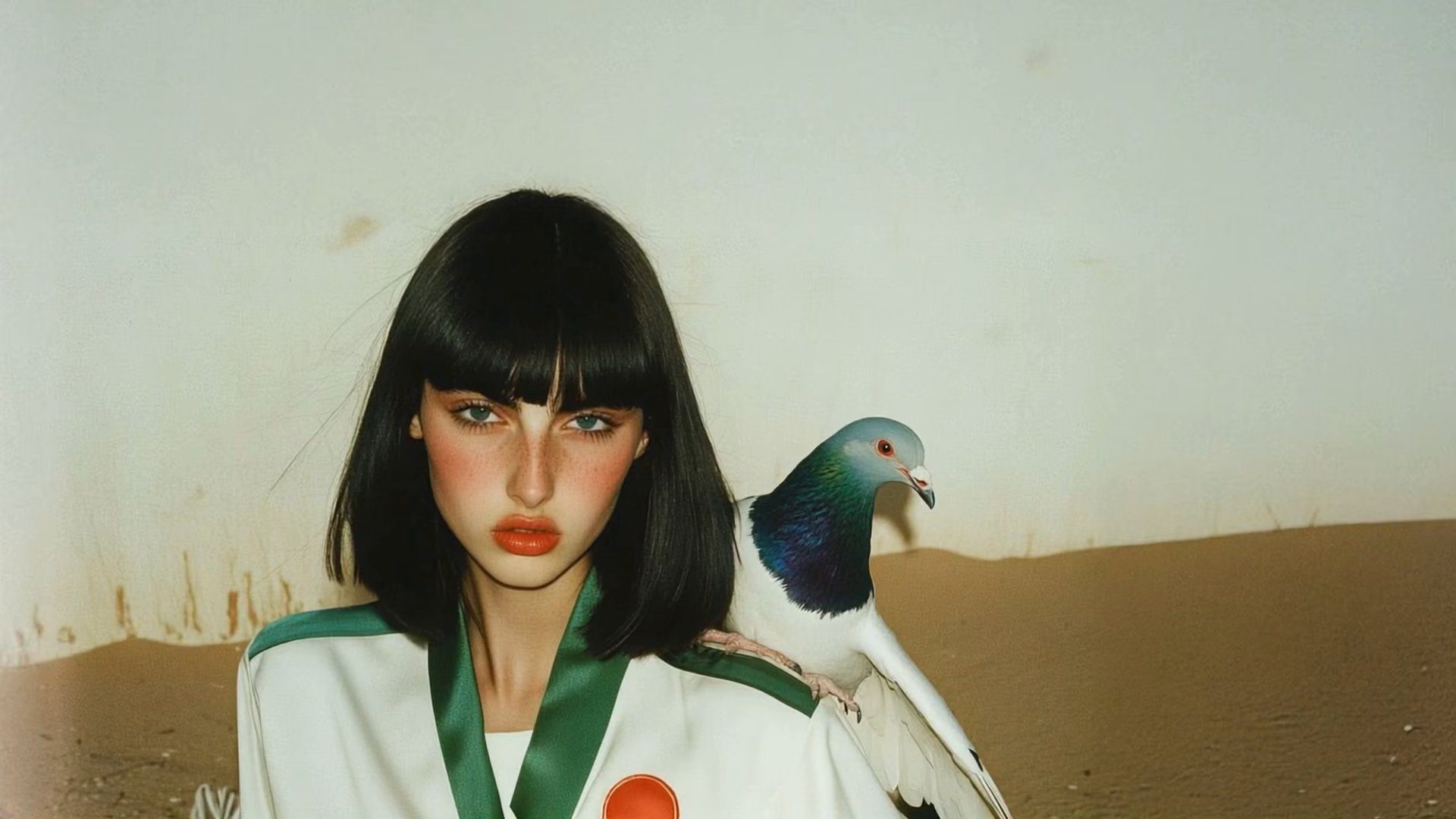
Created by UK-based, Iran-born artist Farbod Mehr, Nava represents a bold experiment in digital art. Mehr designed her to embody the voices of Iranian women, who face restrictions on solo singing in public under Iran’s current laws. The project, initially a creative exploration, quickly took on a life of its own.
The Creator’s Vision
- Mehr aimed to challenge cultural norms through technology.
- He used AI to craft a voice and persona that resonates with Iranian youth.
- The project highlights the power of digital art as a tool for social commentary.
Nava’s Song as a Cultural Flashpoint
“Javanan-e Vatane” blends traditional Persian melodies with modern AI-generated vocals. Its rapid spread on social media has turned Nava into a cultural phenomenon. For many Iranians, the song symbolizes defiance against oppressive policies and a celebration of their heritage.
Why This Matters
The Iranian government has long restricted artistic expression, particularly for women. Nava’s rise demonstrates how technology can bypass these barriers. By existing in a digital space, she offers a voice to those silenced in the physical world.
Global Response and Controversy
While Nava’s supporters praise her as a symbol of resistance, critics argue the project risks trivializing serious issues. Farbod Mehr has defended the project as a form of art, not activism, but the line between the two has blurred as Nava’s influence grows.
Key Takeaways
- AI can amplify marginalized voices in unexpected ways.
- Digital art projects like Nava challenge traditional notions of identity and expression.
- The intersection of technology and culture is reshaping global conversations.
What’s Next for AI Singer Nava?
As AI continues to evolve, projects like Nava’s will likely become more common. However, her unique role in Iranian society highlights the ethical and cultural questions surrounding AI-generated art. Will she remain a symbol of resistance, or will she fade into the digital ether?
Final Thought: Nava’s story is a reminder that technology is not neutral. It reflects the values, struggles, and creativity of the people who use it. Share your thoughts in the comments—how do you see AI shaping cultural resistance in the future?