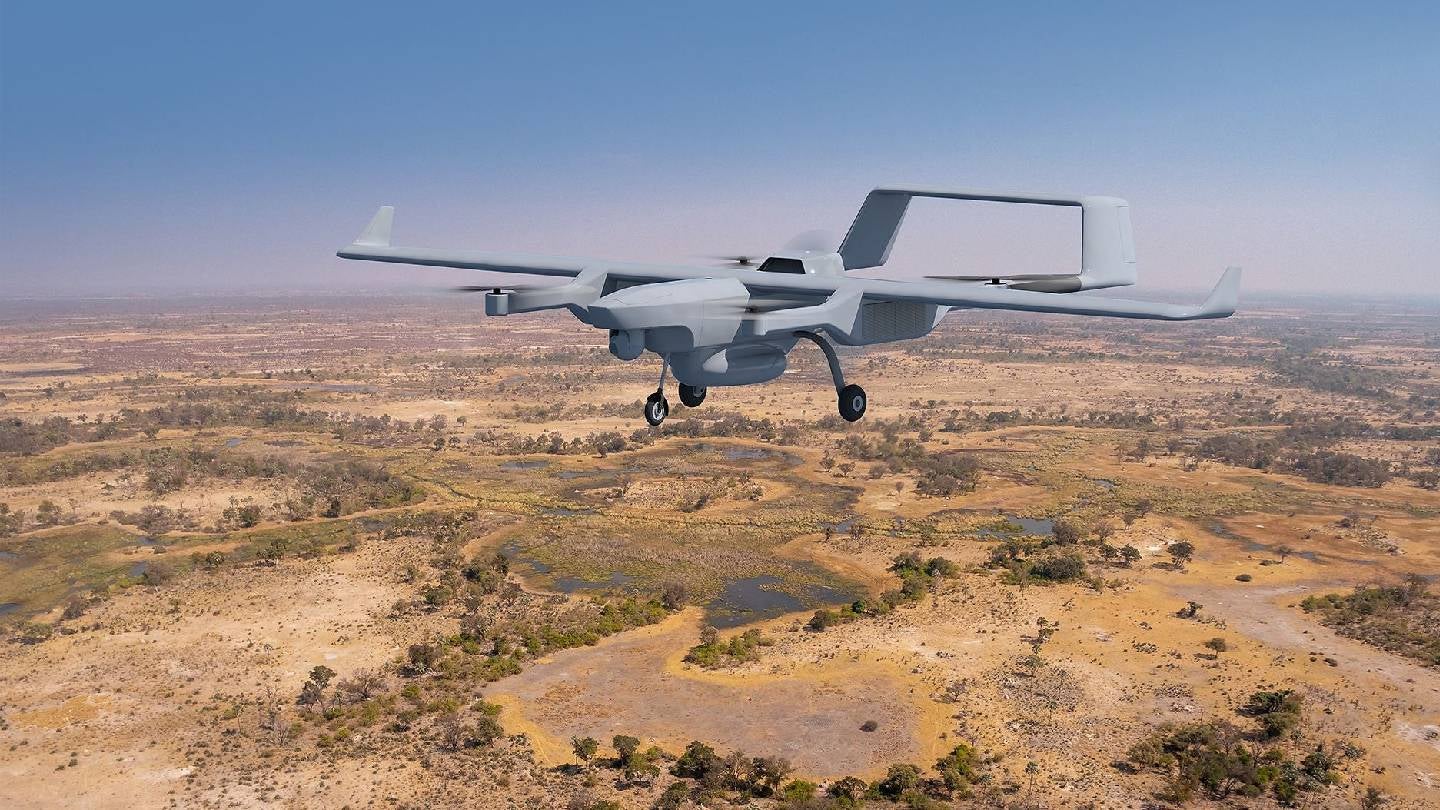
European Defence Agency Selects Airbus for M2UAS Innovation
The European Defence Agency (EDA) has chosen Airbus Helicopters, through its subsidiary Survey Copter, to lead the Multi Mission Unmanned Aircraft System (M2UAS) project. This initiative aims to develop a hybrid uncrewed aircraft capable of adapting to diverse military missions through modular configurations and advanced payloads.
Project Overview and Objectives
With a budget of €1.1 million ($1.2 million) and a 48-month timeline, the M2UAS project builds on Airbus’ Capa-X drone platform. The first phase will focus on analyzing current and future military needs, identifying technological challenges, and mapping potential development paths. This groundwork will inform decisions to enhance the platform’s operational flexibility and efficiency.
Capa-X: The Foundation of M2UAS
The Capa-X system, central to the M2UAS project, offers a modular design adaptable to civil, military, and parapublic sectors. Key features include:
- Weight: 120 kg
- Payload capacity: Up to 20 kg
- Operational duration: 10 hours
- Communication range: 100 km
Christophe Canguilhem, Airbus’ Capa-X director, emphasized the system’s scalability and suitability for military applications, stating, “This selection reflects our commitment to advancing European defence capabilities through innovation.”
Strategic Implications of the M2UAS Project
The M2UAS project aligns with broader NATO initiatives like the Next Generation Rotorcraft Capabilities (NGRC) study. By developing drones for surveillance, reconnaissance, electronic warfare, and in-flight refueling, Airbus aims to address evolving military demands. The hybrid design allows rapid reconfiguration for missions ranging from intelligence gathering to tactical support.
Future Developments and Industry Impact
Airbus recently unveiled new rotorcraft concepts under the NGRC framework, signaling a shift toward versatile, mission-specific platforms. The M2UAS project reinforces Airbus’ leadership in tactical drone systems while supporting European defense modernization. As hybrid drones become critical for modern warfare, this collaboration with the EDA sets a precedent for scalable, adaptable solutions.
Why This Matters for Defense Innovation
The M2UAS project exemplifies how hybrid uncrewed systems can redefine military operations. By prioritizing modularity and multi-role capabilities, Airbus addresses the need for cost-effective, flexible platforms. This approach not only enhances operational readiness but also reduces logistical burdens through shared infrastructure and training.
Conclusion and Call to Action
The M2UAS project marks a significant step forward in hybrid drone technology. As Airbus and the EDA collaborate to refine this platform, the defense sector gains a versatile tool for future challenges. Stay informed about advancements in uncrewed systems by subscribing to our newsletter or exploring our latest reports on defense innovation.
FAQs
What is the M2UAS project and how does it benefit military operations?
The M2UAS project develops a hybrid drone capable of performing multiple missions, such as surveillance and electronic warfare, through modular configurations. This adaptability reduces costs and enhances operational flexibility for armed forces.
How does the Capa-X system support the M2UAS initiative?
Capa-X provides a scalable foundation with features like 10-hour endurance and 100 km communication range. Its modular design allows rapid adaptation to civil, military, and parapublic needs, making it ideal for the M2UAS project.
What role does the EDA play in this collaboration?
The EDA coordinates European defense projects to ensure technological alignment and resource efficiency. By selecting Airbus for M2UAS, the EDA advances European innovation in uncrewed systems while fostering cross-border collaboration.
How does hybrid drone technology address modern military challenges?
Hybrid drones combine the endurance of fixed-wing aircraft with the agility of rotorcraft. This duality enables missions like automated refueling and aerial effects deployment, which are critical for modern, dynamic battlefields.
What are the next steps for the M2UAS project?
The first year will focus on evaluating military requirements and technological barriers. Subsequent phases will refine the platform’s capabilities, with the goal of delivering a scalable solution by 2028.