Introduction to the AirSnitch Threat
Wi-Fi networks, once considered secure, now face a groundbreaking vulnerability dubbed AirSnitch. Discovered by researchers at the University of California, Riverside, this flaw allows attackers to intercept data and execute man-in-the-middle attacks—even on networks with client isolation enabled. The implications for Cybersecurity are staggering, as AirSnitch exploits weaknesses in Wi-Fi’s architectural layers, challenging long-held assumptions about network encryption.
How AirSnitch Works
Exploiting Layered Network Flaws
AirSnitch leverages gaps in how Wi-Fi handles encryption keys, MAC addresses, and IP addresses across Layers 1-3 of the network stack. By spoofing identities and manipulating traffic routing, attackers can redirect data streams between devices. This bypasses traditional isolation mechanisms, enabling eavesdropping and data tampering.
Four Attack Vectors
1. **Shared Key Abuse**: Attackers wrap malicious packets in Group Temporal Key (GTK) broadcasts, tricking targets into accepting them as legitimate.
2. **Gateway Bouncing**: Data is routed through a gateway’s MAC address, bypassing direct client-to-client communication.
3. **MAC Spoofing**: Attackers mimic victim or gateway MAC addresses to intercept traffic.
4. **Client Isolation Bypass**: Exploits weaknesses in how networks isolate connected devices.
Real-World Impact
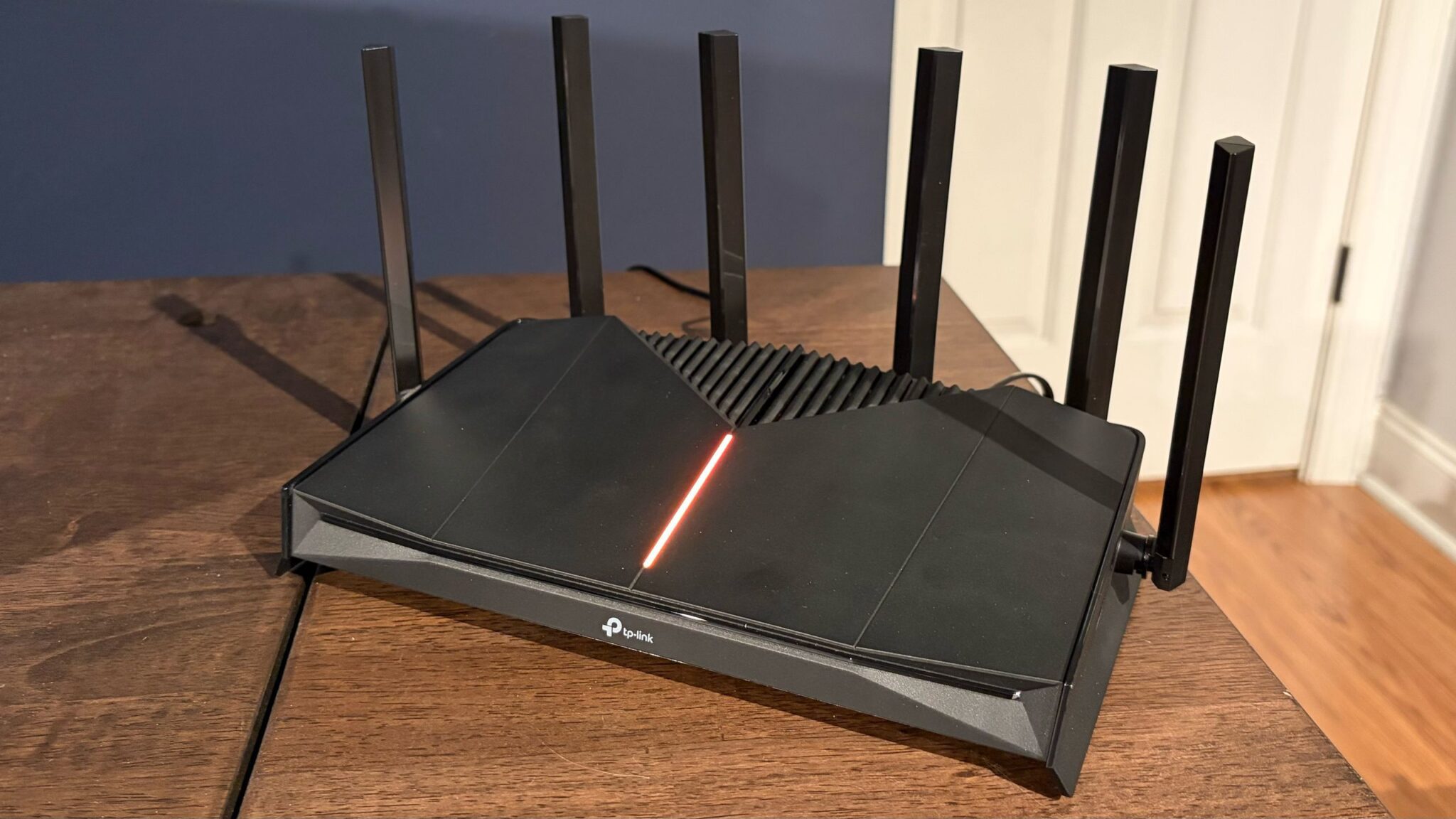
The vulnerability affects major routers like the Netgear Nighthawk x6 R8000, TP-Link Archer AXE75, and Asus RT-AX57, as well as open-source firmwares like DD-WRT and OpenWrt. Enterprise networks at universities were also found vulnerable, highlighting the issue’s systemic nature rather than isolated hardware flaws.
Why This Matters for Cybersecurity
While AirSnitch requires advanced technical knowledge to exploit, its existence underscores a critical flaw in Wi-Fi architecture. Researchers warn that attackers could use it to steal cookies, poison DNS caches, or launch cache poisoning attacks. This vulnerability challenges the assumption that encrypted networks are inherently secure, urging manufacturers and standards bodies to rethink client isolation protocols.
Protecting Your Network
– **Update Firmware**: Check for patches from router manufacturers.
– **Enable WPA3**: Use the latest Wi-Fi encryption standard.
– **Segment Networks**: Isolate IoT devices on separate subnets.
– **Monitor Traffic**: Deploy intrusion detection systems to flag anomalies.
Conclusion and Call to Action
AirSnitch is a wake-up call for the Cybersecurity community. While the attack is complex, its potential for harm is undeniable. Stay informed, update your devices, and advocate for stronger Wi-Fi standards. Share this article to raise awareness and help secure networks globally.
FAQs
How does AirSnitch impact Cybersecurity practices?
AirSnitch exposes vulnerabilities in Wi-Fi encryption and client isolation, requiring updated security protocols and network monitoring.
Can AirSnitch be exploited on any Wi-Fi network?
Yes, but it requires the attacker to be on the same network and have technical expertise to execute the attack.
Are there immediate fixes for AirSnitch?
Manufacturers are working on firmware updates. Enable WPA3 and segment networks for now.
Why is MAC spoofing a concern?
It allows attackers to impersonate devices, bypassing authentication and redirecting traffic.
What role do standards bodies play in mitigating AirSnitch?
They must revise Wi-Fi architecture to address inherent flaws in client isolation and encryption.