
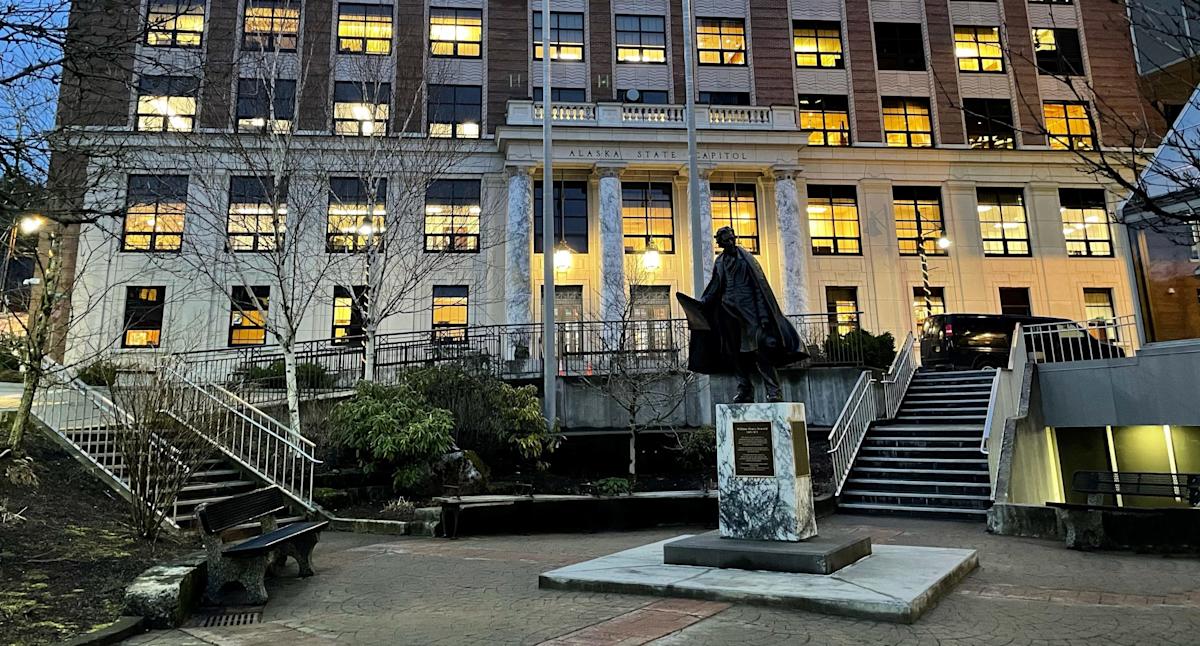
Alaska’s HB47: New AI-Generated CSAM Restrictions and Social Media Curfews for Minors
Alaska is making headlines as the next state to tackle AI-generated child sexual abuse material (CSAM) and impose strict social media rules for minors. The Alaska House of Representatives unanimously passed HB47, a sweeping bill that combines AI safety measures with youth online protections. This move positions Alaska among a growing list of states addressing digital threats to children.
HB47: Key Provisions and Objectives
The bill’s core focus is twofold: combating AI-generated CSAM and limiting minors’ social media exposure. Originally targeting AI-generated explicit content, lawmakers expanded the bill to include:
- 24-hour curfew for minors (10:30 PM – 6:30 AM)
- Bans on “addictive design features” in social apps
- Age verification requirements for all users
- Parental consent mandates for minors
AI-Generated CSAM Protections
HB47 explicitly prohibits creating or distributing AI-generated explicit images of children. This addresses emerging threats as deepfake technology becomes more accessible. Lawmakers cited Utah’s similar legislation as a model, though Utah’s rules faced legal challenges.
Social Media Restrictions Modeled After Utah
While the bill passed unanimously in the House, some representatives expressed concerns about consulting social media companies before implementing broad restrictions. The amendments reflect a balance between protecting youth and addressing industry concerns.
Curfew and Design Changes
The 10:30 PM curfew aims to reduce late-night social media use among teens. The “addictive design” ban targets features like infinite scrolling and push notifications that encourage compulsive use.
Challenges and Next Steps
HB47 now moves to the Alaska State Senate, which has already introduced a companion bill. Governor Mike Dunleavy will have final approval. Critics argue the bill’s broad language could face legal hurdles similar to Utah’s experience.
Industry Concerns
Some lawmakers acknowledged the need for collaboration with tech companies. The bill’s success will depend on how effectively it balances child protection with platform innovation.
The Bigger Picture: National Trends in Tech Regulation
Alaska joins states like Texas and Florida in regulating social media for minors. These efforts reflect growing bipartisan concern about digital safety. However, legal experts warn that overly broad restrictions risk violating First Amendment protections.
What This Means for Parents
Parents should stay informed about state-level changes. The bill’s age verification requirements may require additional parental oversight for teens using social platforms.
Conclusion: A New Era of Digital Safety
HB47 represents a significant step in addressing AI-generated CSAM and youth social media risks. While the bill’s final form remains to be seen, it highlights the urgent need for balanced, effective digital safety policies. As technology evolves, so must our approaches to protecting vulnerable users.
Call to Action
Stay updated on HB47’s progress through the Alaska Senate. Share your thoughts on social media safety measures and AI regulations in the comments below.








