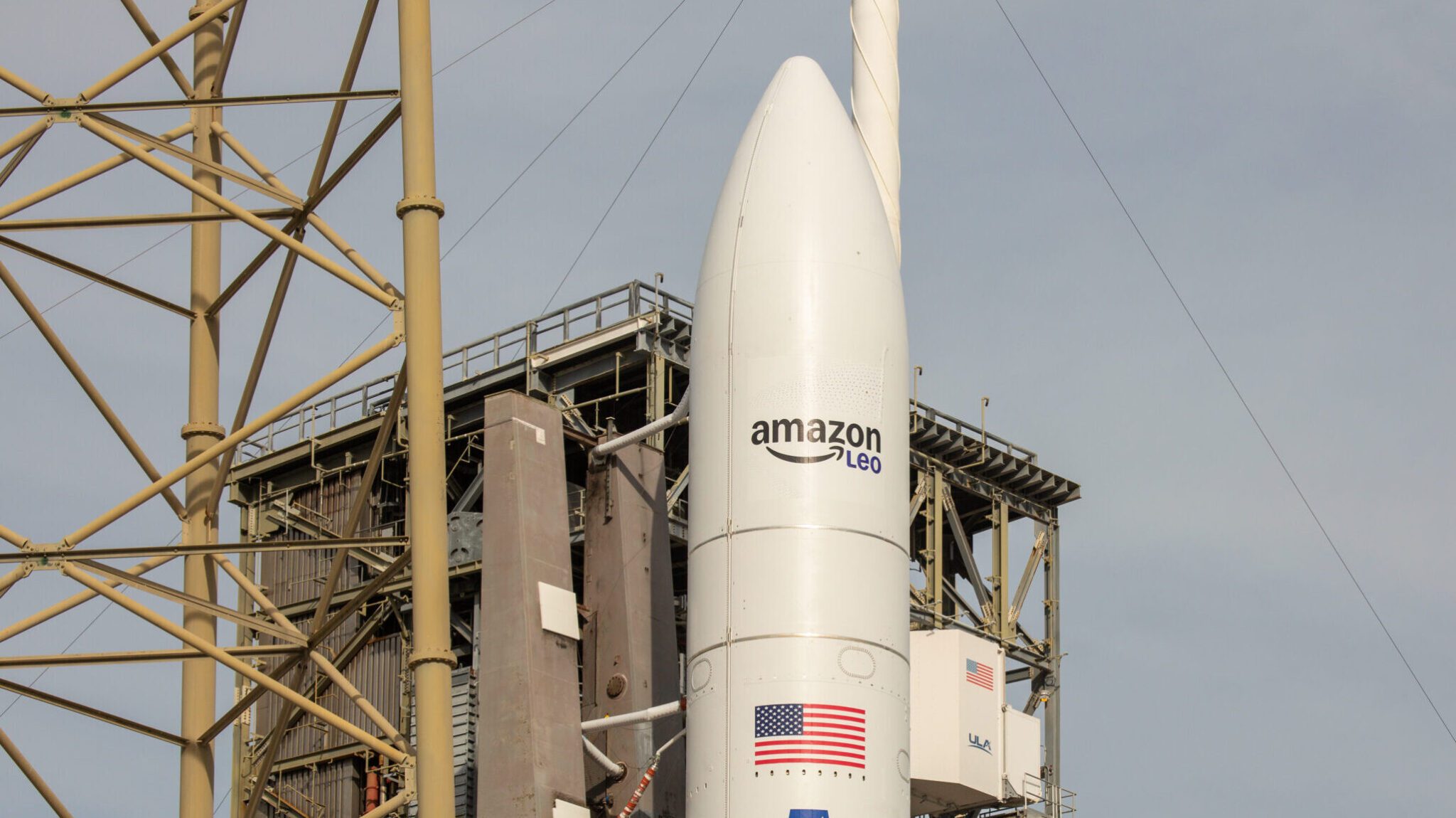
Amazon Leo Rebranding: Leadership Shifts and Satellite Expansion
In a major move reshaping its space ambitions, Amazon has rebranded its satellite internet project from Amazon Kuiper to Amazon Leo. This shift comes alongside leadership changes and a renewed push to expand its low Earth orbit (LEO) satellite constellation. But what does this mean for the future of Amazon’s space business—and how does it stack up against competitors like SpaceX’s Starlink?
Leadership Changes at Amazon Leo
Rick Freeman, the vice president overseeing Amazon Leo for Government, has stepped down after nearly two years in the role. An Amazon spokesperson confirmed Freeman left in late February to “explore new opportunities.” While the company emphasized its commitment to government and public sector customers remains unchanged, the departure raises questions about internal strategy shifts.
Freeman’s exit follows a broader reorganization of Amazon Leo’s marketing team, which aims to integrate civil and government operations. However, no other personnel have been let go, according to a senior executive. Amazon has yet to name a replacement for Freeman or clarify how this leadership change might affect ongoing military contracts.
From Kuiper to Leo: A Strategic Rebrand
Launched in 2019 as Project Kuiper, Amazon’s satellite internet initiative has undergone a dramatic transformation. The rebrand to Amazon Leo—announced in November 2025—signals a shift in focus toward secure, resilient communications for both civilian and defense customers. As of February 2026, Amazon has 200 satellites in orbit, with over 20 launches planned in 2026 alone.
Key milestones include:
- April 2025: First operational satellites launched
- November 2025: Official rebrand to Amazon Leo
- February 2026: 200 satellites on orbit
- 2026 Investment: $1 billion additional funding on top of $10 billion already committed
Competing with Starlink in the Military Space
Amazon Leo’s expansion has drawn significant interest from the U.S. Department of Defense and Space Force. Officials view the project as a critical alternative to SpaceX’s Starlink/Starshield network, which dominates the LEO broadband market. Amazon’s satellites could play a key role in expanding the vendor base for the Space Force’s classified MILNET network—a system currently reliant on SpaceX’s Starshield satellites.
“Amazon Leo was designed to provide resilient, secure communications to public sector customers across civil and defense,” an Amazon spokesperson stated. The company’s focus on proliferated LEO broadband aligns with military needs for rapid data transport and redundancy in satellite communications.
What’s Next for Amazon Leo?
With $10 billion already invested and a $1 billion boost planned for 2026, Amazon is doubling down on its satellite ambitions. The company aims to launch over 3,000 satellites to create a global internet network, directly competing with SpaceX’s 4,400-satellite Starlink constellation.
However, challenges remain. The military’s reliance on SpaceX for MILNET means Amazon must prove its satellites can meet stringent security and performance standards. Meanwhile, the departure of key executives like Rick Freeman highlights the need for stable leadership to maintain momentum.
Conclusion: A Pivotal Moment for Amazon’s Space Business
The Amazon Leo rebranding marks a strategic pivot toward government and defense contracts, but success will depend on execution. As the company expands its satellite network and navigates leadership changes, one thing is clear: Amazon is determined to establish itself as a major player in the LEO broadband race.
Stay tuned for updates on Amazon Leo’s progress—and how it stacks up against Starlink in the race to dominate space-based internet. What do you think about Amazon’s rebranding strategy? Share your thoughts in the comments below.