AMD Epyc Sorano: 84-Core Powerhouse for 5G Networks
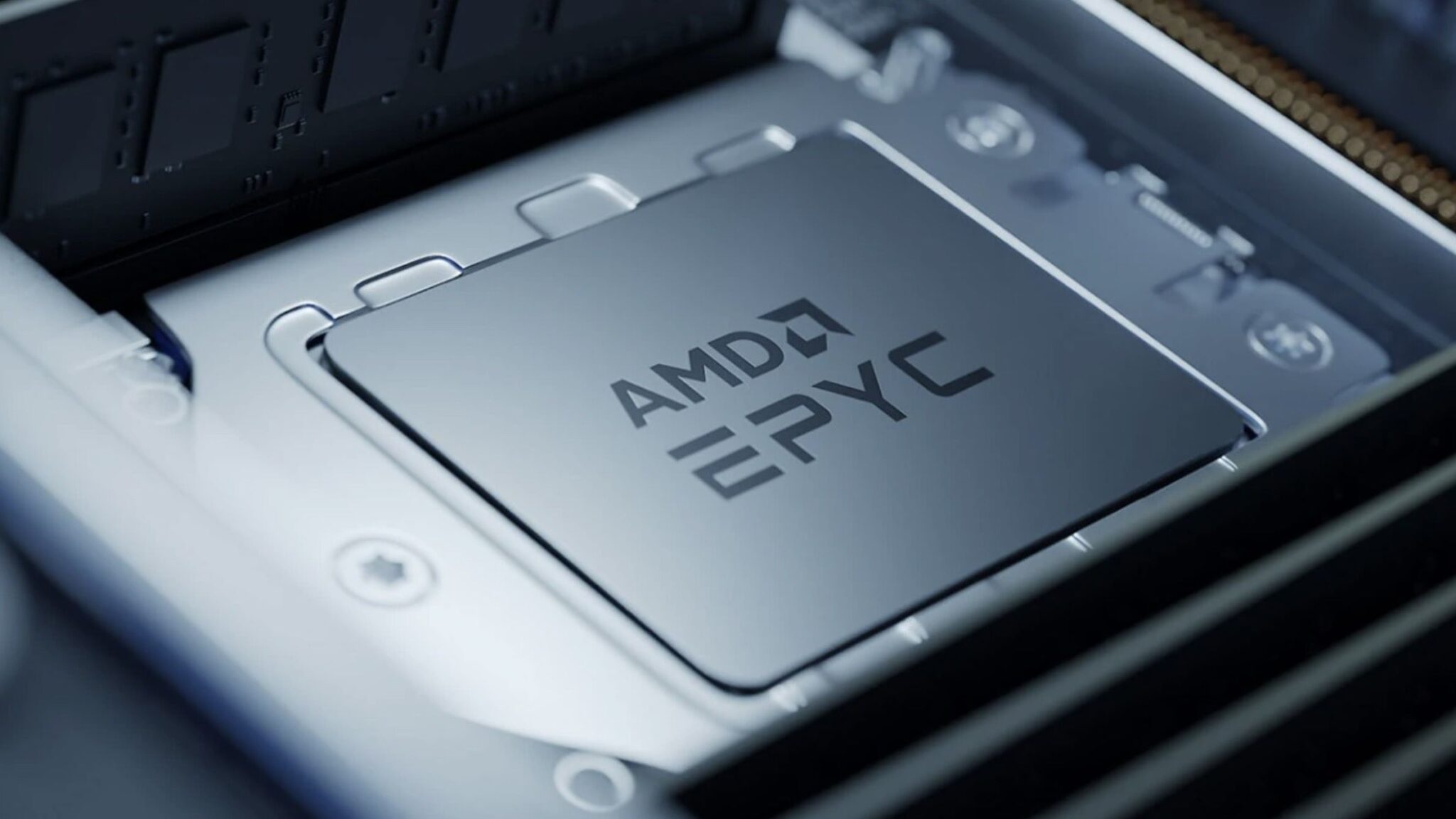
AMD is making waves in the telecom industry with its latest Epyc processor, codenamed Sorano. This 84-core chip, built on Zen 5 architecture, is designed to supercharge next-generation 5G networks and edge infrastructure. With a focus on virtualized radio access networks (vRAN), Sorano promises to deliver the performance and efficiency needed to meet the growing demands of modern telecommunications.
What Makes AMD Epyc Sorano Stand Out?
The Sorano processor represents a significant leap forward in core density and energy efficiency. Here’s what sets it apart:
- 84 Zen 5 Cores: Doubles down on AMD’s commitment to high-core-count designs for parallel workloads.
- 512-Bit Vector Processing: Enhances performance for 5G signal processing and AI tasks.
- Improved LDPC Decoding: Boosts network capacity by optimizing 5G error-correction algorithms.
- Flexible Power Profiles: Ranges from 225W to under 100W, ideal for edge deployments with strict thermal limits.
Why Telecom Operators Should Care
Telecom providers are shifting from proprietary hardware to standardized server infrastructure. Sorano aligns with this trend by offering:
- Lower Costs: Reduces reliance on specialized equipment through virtualization.
- Scalability: Supports dense workloads in data centers and remote edge sites.
- Energy Efficiency: Balances performance with power consumption for sustainable operations.
AMD vs. Intel in the Telecom Race
Intel remains a key player with its Xeon 6E and Xeon 6 SoC lines, offering up to 144 cores and integrated accelerators. However, AMD’s Sorano differentiates itself by:
- Core Density: 84 cores outpace Intel’s 144-core Xeon 6700E but with better efficiency for telecom tasks.
- Latency Optimization: Prioritizes predictable performance over raw clock speeds for vRAN workloads.
- Partnership Momentum: AMD is gaining traction with operators seeking alternatives to Intel’s long-standing dominance.
What’s Next for AMD and the Telecom Industry?
While Sorano marks a milestone, AMD’s next-gen Venice architecture (planned for 2026) could redefine the landscape. For now, telecom providers must weigh:
- Performance Gains: Can Sorano’s core count and efficiency justify a shift from Intel?
- Vendor Lock-In: Established partnerships with Intel may slow adoption despite AMD’s advantages.
- Future-Proofing: Will Zen 5’s improvements hold up against Venice’s rumored capabilities?
Conclusion: A Game Changer for 5G?
AMD’s Epyc Sorano is a bold step forward in telecom hardware. By combining 84 Zen 5 cores with energy-efficient design, it addresses the critical needs of 5G networks and edge computing. While Intel’s Xeon lineup remains formidable, AMD’s focus on core density and virtualization could tip the scales for operators seeking scalable, cost-effective solutions. As the telecom industry evolves, Sorano may prove to be the catalyst for a new era of network innovation.
Call to Action
What do you think about AMD’s push into telecom hardware? Share your insights in the comments below or subscribe to our newsletter for more updates on tech trends shaping the future.