
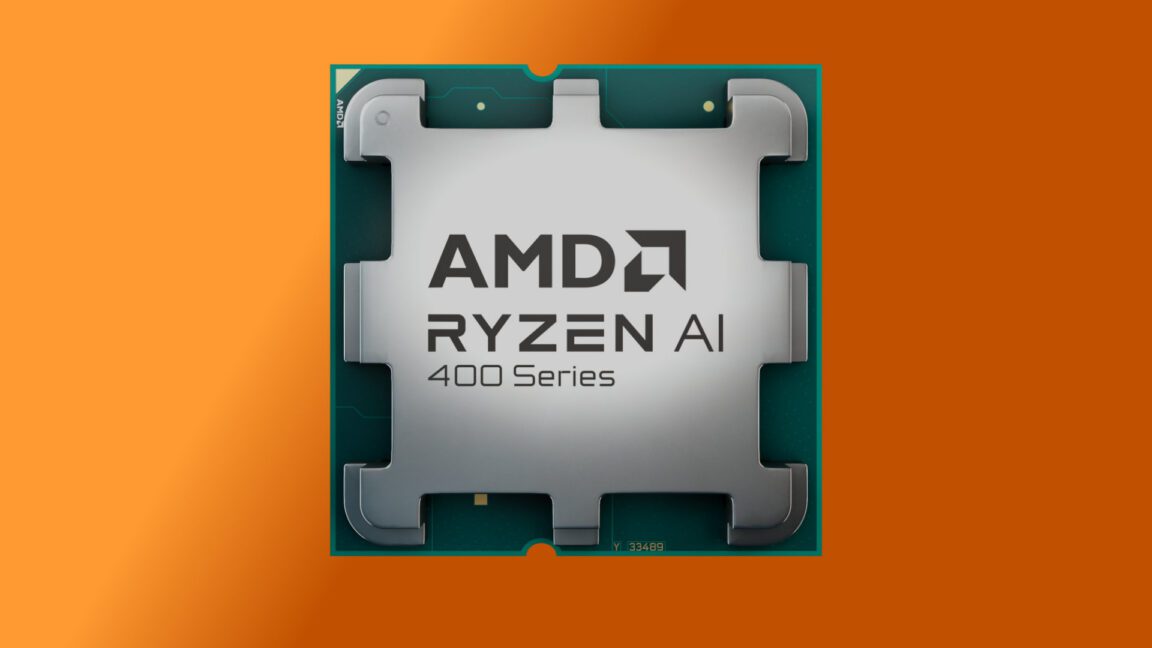
AMD Ryzen AI 400 Shines: A New Era for Desktop Computing
AMD’s Ryzen AI 400-series desktop processors are finally here, marking a significant step forward in integrating AI capabilities into everyday computing. These chips, designed for AM5 socket systems, combine cutting-edge CPU, GPU, and NPU technologies to deliver a unique blend of performance and efficiency. But how do they stack up against the competition, and who are they really for? Let’s dive in.
What Makes Ryzen AI 400 Shine?
The Ryzen AI 400 series is AMD’s first foray into desktop processors with dedicated NPUs (Neural Processing Units). These chips feature Zen 5 CPU cores, RDNA 3.5 GPU architecture, and a 50 TOPS NPU—enough to run local AI models like Microsoft Copilot+ features. This makes them ideal for tasks requiring real-time AI processing, such as voice commands, image generation, and predictive analytics.
Key Specifications
- CPU: Up to 8 cores (Zen 5 + Zen 5c hybrid design)
- GPU: Radeon 860M with 8 RDNA 3.5 cores
- NPU: 50 TOPS for on-device AI workloads
- TDP Options: 65W and 35W variants
Targeting Business Over Gamers
Unlike AMD’s high-end Ryzen 9000-series chips, the Ryzen AI 400 series is tailored for business environments. The “Pro” branding emphasizes features like IT-managed security and remote support, making these processors a fit for corporate desktops. However, they lack the raw power of gaming-focused chips like the Ryzen AI 9 HX 370, which boasts 12 cores and a 16-core GPU.
Why Not Gamers?
AMD’s decision to prioritize business users over DIY enthusiasts is strategic. Current market conditions—sky-high DDR5 memory prices and limited GPU performance—make building budget-friendly gaming PCs with integrated graphics less appealing. Instead, the Ryzen AI 400 series focuses on productivity and AI-driven workflows, where its NPU truly shines.
What’s Next for Ryzen AI?
While the Ryzen AI 400 series is a solid start, AMD has room to grow. Future iterations could include higher-core-count CPUs and more powerful GPUs to attract a broader audience. For now, these chips align with AMD’s CES 2026 roadmap: incremental improvements in existing tech rather than disruptive innovation.
Market Context
Global chip shortages and TSMC’s manufacturing constraints mean AMD is playing it safe. The Ryzen AI 400 series is a low-risk, high-reward move that positions AMD as a leader in AI-integrated desktops—without overpromising on hardware that’s hard to scale.
Conclusion: A Bright Future for Ryzen AI
The Ryzen AI 400 series is a game-changer for business users seeking AI-enhanced productivity tools. While it may not dazzle gamers, its focus on efficiency and local AI processing makes it a standout in the evolving desktop market. As AMD refines its roadmap, we can expect even more exciting developments in the Ryzen AI ecosystem.
Call to Action: Ready to explore AMD’s Ryzen AI 400 series? Check out our guide to building a business-ready PC with these chips and stay tuned for future updates!
FAQs
- How does Ryzen AI 400 shine in business environments? Its NPU enables local AI tasks like Copilot+ features, reducing reliance on cloud services.
- Are Ryzen AI 400 chips available for DIY builds? Not yet—AMD is focusing on pre-built business PCs for now.
- What’s the difference between Ryzen AI 400 and 9000-series? The 400 series prioritizes AI and business use, while the 9000 series targets gaming and high-performance computing.
- Can Ryzen AI 400 run AI models like Stable Diffusion? Yes, but performance depends on the model’s complexity and available RAM.
- Will AMD release higher-end Ryzen AI desktops? Likely—future chips could include more cores and advanced GPUs.








