
Introduction to AI-Powered CPUs
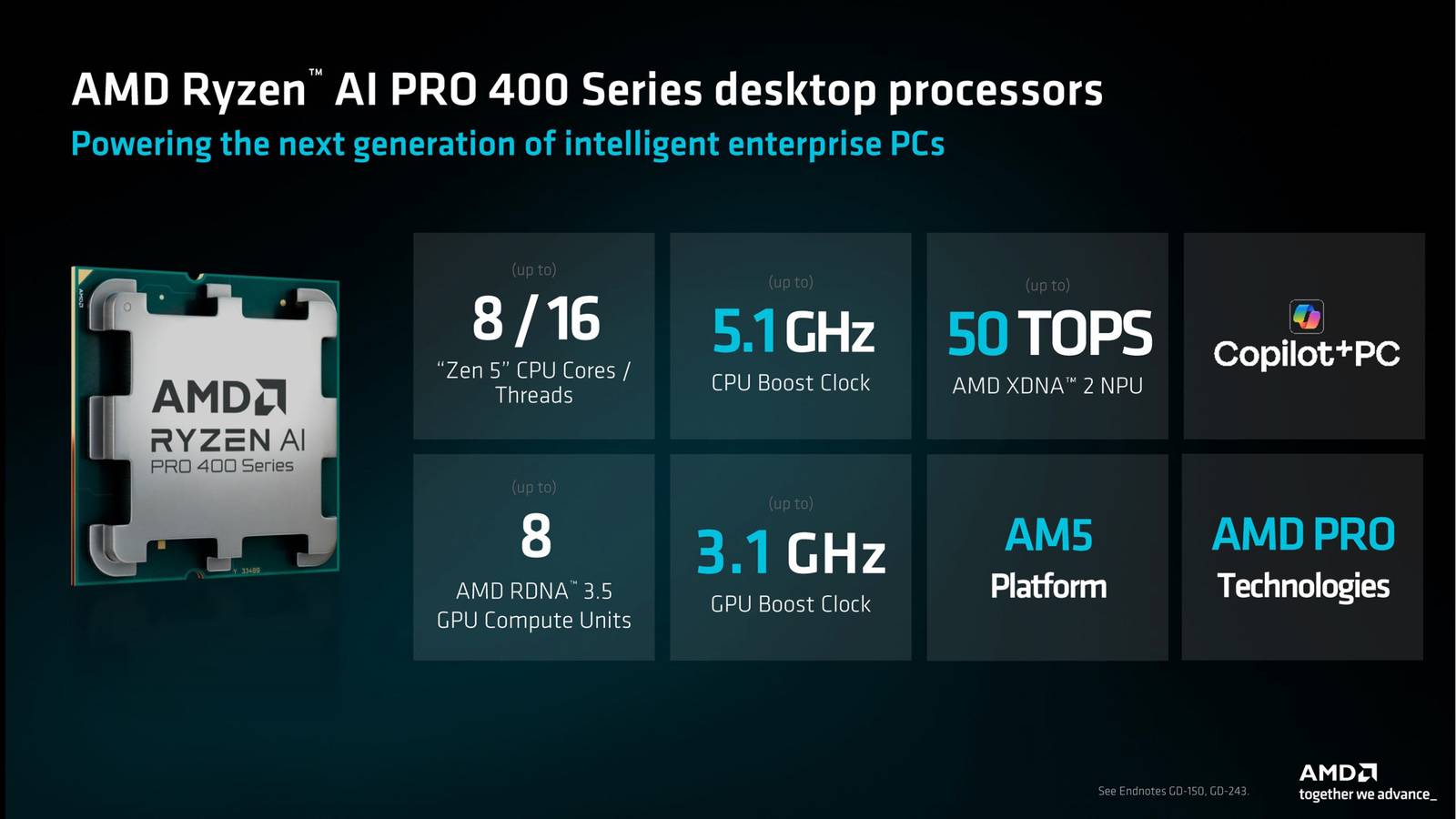
AMD has recently introduced an AI-focused CPU to its Ryzen desktop lineup. This move is expected to enhance the performance and capabilities of desktop computers. Meanwhile, the integration of AI technology is becoming increasingly important in the tech industry.
For example, AI-powered CPUs can improve tasks such as image and video processing, natural language processing, and predictive analytics. Additionally, these CPUs can learn and adapt to user behavior, making them more efficient and effective.
Benefits of AI-Focused CPUs
The introduction of AI-focused CPUs is a significant development in the tech industry. However, it also raises questions about the potential benefits and drawbacks of this technology. Therefore, it is essential to consider the advantages and disadvantages of AI-powered CPUs.
Some benefits of AI-focused CPUs include improved performance, enhanced security, and increased efficiency. Furthermore, these CPUs can perform complex tasks that would be difficult or impossible for traditional CPUs to handle. Nevertheless, there are also potential drawbacks to consider, such as the high cost of AI-powered CPUs and the need for specialized software and programming.
Real-World Applications
AI-focused CPUs have various real-world applications, including gaming, video editing, and scientific research. For instance, AI-powered CPUs can enhance gaming performance by improving graphics rendering and reducing latency. Meanwhile, video editors can use AI-powered CPUs to accelerate video processing and editing tasks.
In conclusion, the introduction of AI-focused CPUs to the AMD Ryzen desktop lineup is a significant development in the tech industry. As the demand for AI technology continues to grow, it is likely that we will see more advancements in this field. Finally, it is essential to consider the potential benefits and drawbacks of AI-powered CPUs and their real-world applications.








