
Introduction to Counter-UAS Systems
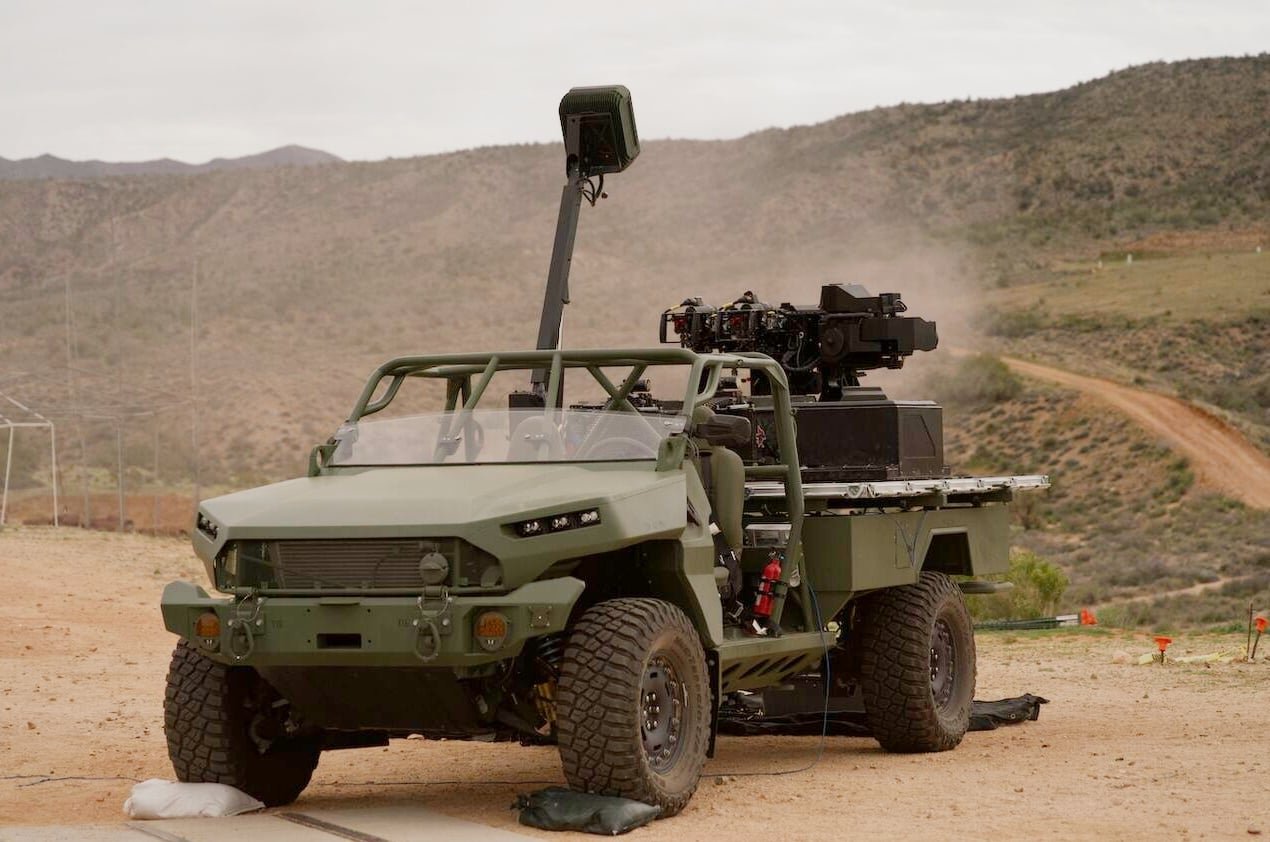
Meanwhile, the threat of unmanned aerial systems (UAS) has become increasingly significant, prompting the development of counter-UAS solutions. For example, American Rheinmetall recently tested a counter-UAS Ultra-Short Range Air Defense system integrated on GM Defense’s ISV-C vehicle.
Additionally, the live-fire demonstration at Big Sandy Range in Arizona showed the system’s capability to detect and engage aerial targets. However, the system’s effectiveness against various drone types is crucial for its success.
Counter-UAS System Capabilities
Furthermore, the system successfully engaged both fixed-wing and rotary-wing small unmanned aerial system targets, demonstrating its ability to counter multiple drone types. Therefore, the system’s average cost-per-kill performance was also evaluated during the testing.
Moreover, the company noted that the live-fire trials helped confirm the system’s readiness for further experimentation in an upcoming U.S. Army evaluation event. Meanwhile, the system will next participate in the Concept Focused Warfighting Experimentation – Cross Domain Fires (CFWE-CDF) event scheduled to take place at Fort Sill.
Remote Weapon Stations for Counter-UAS Missions
However, remote weapon stations of this type typically combine sensors, targeting software, and automated firing systems to detect and engage small aerial targets at short range. For instance, the system is intended to deliver a platform-agnostic, autonomous capability, allowing it to be integrated onto various vehicles or installations depending on operational requirements.
Additionally, Ultra-Short Range Air Defense systems, often referred to as U-SHORAD, are designed to defend units and facilities against drones, helicopters, and low-flying aircraft that operate below the coverage envelope of larger air defense systems. Meanwhile, modern counter-UAS systems frequently incorporate automated target recognition and tracking technologies that allow the system to engage threats quickly once detected.
Integration with the ISV-C Platform
Moreover, the integration with the ISV-C platform demonstrates a concept where counter-drone defenses can be deployed on highly mobile vehicles capable of moving with infantry units in dynamic operational environments. However, the ISV-C vehicle developed by GM Defense is derived from the Infantry Squad Vehicle family used by the U.S. Army.
Meanwhile, these vehicles are designed to transport soldiers rapidly across terrain while maintaining a small logistical footprint. Therefore, the system’s ability to be integrated onto the ISV-C platform enhances its mobility and rapid deployment capabilities.
Conclusion
In conclusion, American Rheinmetall’s counter-UAS system has shown promising results in its recent live-fire demonstration. However, further testing and evaluation are necessary to confirm its effectiveness in various operational scenarios. Meanwhile, the system’s integration with the ISV-C platform demonstrates its potential for mobile and rapid deployment.
Additionally, the increasing threat of UAS highlights the need for effective counter-UAS solutions. Therefore, the development and testing of such systems are crucial for maintaining military superiority. Finally, the use of autonomous technologies and automated target recognition systems can enhance the effectiveness of counter-UAS solutions.
Frequently Asked Questions
Q: What is the purpose of the counter-UAS system developed by American Rheinmetall?
A: The system is designed to detect and engage small unmanned aerial systems, providing a last-line defensive layer against drone threats.
Q: What is the significance of the system’s integration with the ISV-C platform?
A: The integration enhances the system’s mobility and rapid deployment capabilities, allowing it to be deployed on highly mobile vehicles capable of moving with infantry units in dynamic operational environments.
Q: What is the average cost-per-kill performance of the system?
A: The system’s average cost-per-kill performance was evaluated during the live-fire testing, but the exact results are not publicly available.
Q: What is the next step for the system’s development and testing?
A: The system will next participate in the Concept Focused Warfighting Experimentation – Cross Domain Fires (CFWE-CDF) event scheduled to take place at Fort Sill.
Q: What is the potential impact of the system on modern warfare?
A: The system has the potential to enhance military superiority by providing an effective counter-UAS solution, thereby addressing the increasing threat of UAS in modern warfare.








