Ancient Fine Dining: Decoding Prehistoric European Cuisine
Imagine a world where meals were crafted from wild plants, freshwater fish, and foraged berries. Recent archaeological breakthroughs reveal that prehistoric Europeans weren’t just surviving—they were cooking with sophistication. By analyzing pottery residues, scientists have uncovered the culinary secrets of ancient hunter-gatherer-fishers who lived between 6000 and 3000 BCE.
Uncovering Ancient Menus
Archaeologists used scanning electron microscopy (SEM) and lipid analysis to study 58 ceramic vessels from coastal and inland sites. These techniques revealed traces of wild legumes, grasses, berries, and even dairy products. The findings, published in PLoS ONE, show that these early communities combined ingredients in region-specific recipes.
Key Ingredients in Prehistoric Cooking
- Wild legumes and grasses in the Don River Basin
- Guelder rose berries and Amaranthaceae plants in the Upper Volga
- Freshwater fish paired with sea beetroot and tubers in the Baltic
Regional Recipes Revealed
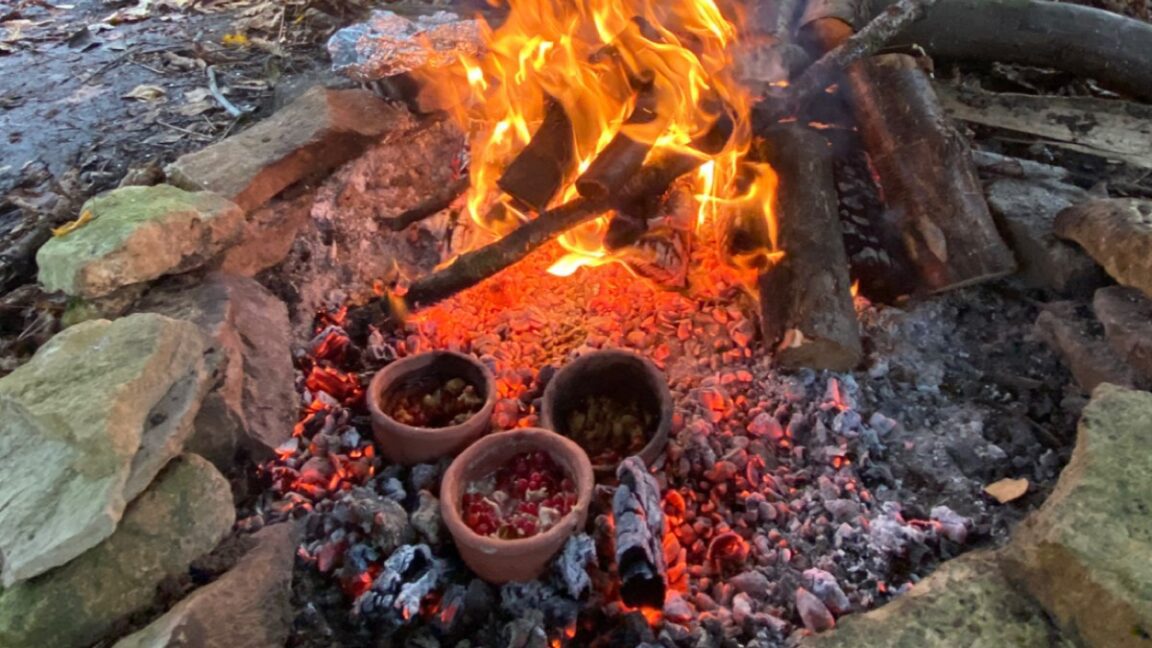
Experimental archaeology played a crucial role. Researchers replicated ancient cooking methods using replica pottery, boiling berries with fish and varying heat sources. The results matched residues found in prehistoric vessels, confirming that these meals were carefully prepared.
What the Data Shows
“Hunter-gatherer-fishers weren’t just eating fish—they were processing a diverse array of plants,” the study authors noted. For example:
- Viburnum berries paired with carp in the Baltic
- Wild grasses and legumes served with freshwater fish in the Don Basin
Why This Matters
These findings challenge the myth that ancient diets were monotonous. Instead, they highlight a nuanced understanding of local ecosystems and food preparation. The study also underscores the importance of interdisciplinary research—combining chemistry, archaeology, and experimental cooking—to reconstruct the past.
Conclusion
The next time you savor a meal, consider the ancient chefs who mastered the art of combining wild ingredients. Their legacy lives on in the archaeological record, offering a glimpse into the origins of human culinary creativity.