
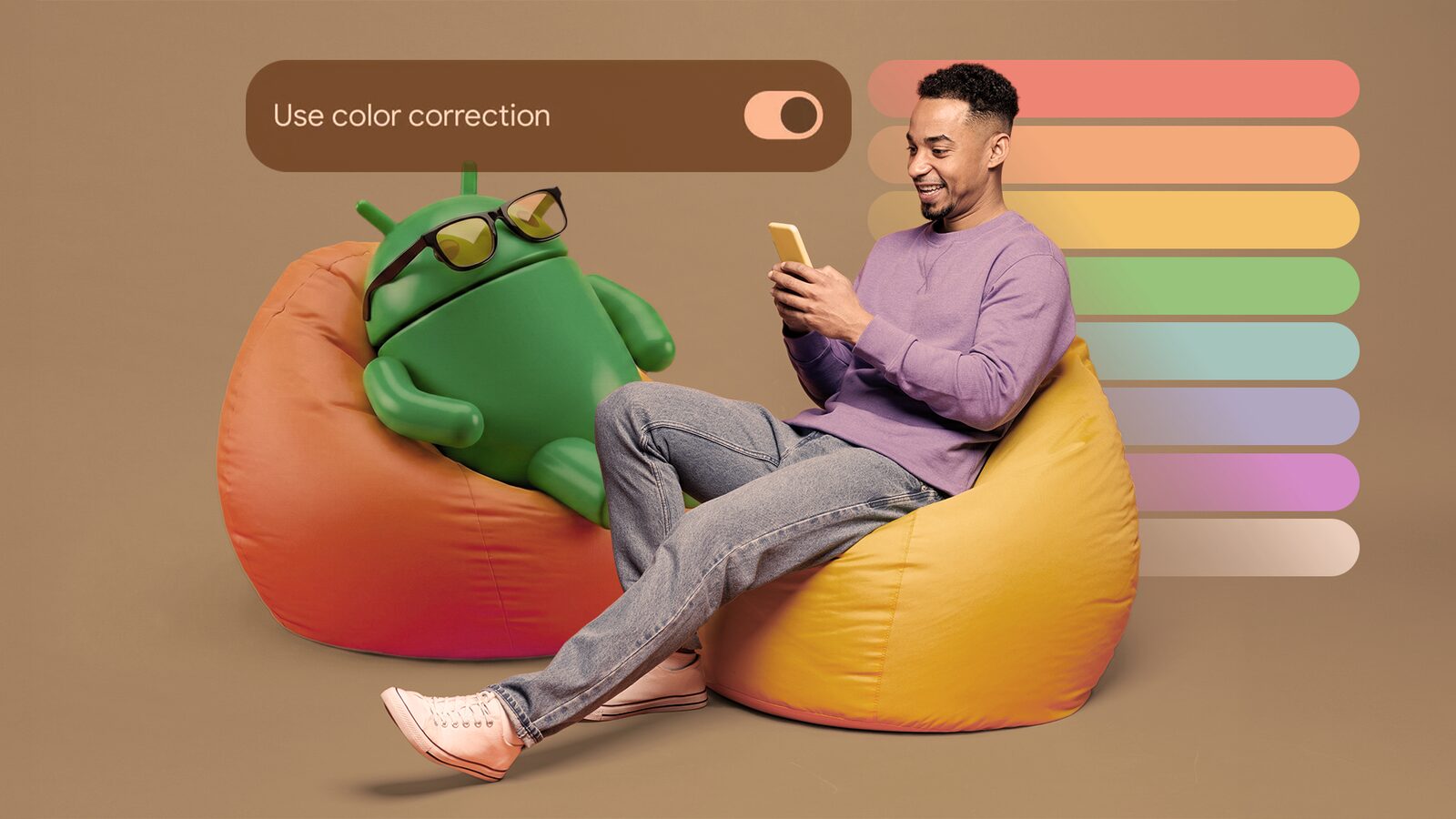
Introduction to Android Color Settings
Have you ever experienced screen headaches after using your Android device for an extended period? I recently tweaked the Android 16 color settings, and my screen headaches finally stopped. In this article, we’ll explore how adjusting your Android color settings can make a significant difference in your viewing experience.
Understanding Android Color Settings
Android offers a range of color settings that can be adjusted to suit your preferences. However, these settings can also have a significant impact on your eye health. For example, the blue light emitted by screens can cause eye strain and headaches. Therefore, adjusting your color settings can help reduce the risk of screen headaches.
Meanwhile, the Android 16 color settings provide more options for customizing your display. Additionally, you can adjust the color temperature, which can help reduce eye strain. Furthermore, some Android devices also offer features like blue light filtering, which can be enabled to reduce the amount of blue light emitted by the screen.
How to Adjust Android Color Settings
To adjust your Android color settings, go to your device’s settings menu and select the ‘Display’ option. From there, you can adjust the color settings to your liking. For instance, you can adjust the color temperature, which can help reduce eye strain. Moreover, you can also enable blue light filtering, which can help reduce the risk of screen headaches.
However, it’s essential to note that the steps to adjust Android color settings may vary depending on your device. Therefore, it’s recommended to consult your device’s user manual or online support resources for specific instructions.
Benefits of Adjusting Android Color Settings
Adjusting your Android color settings can have several benefits, including reducing eye strain and headaches. Additionally, it can also improve your overall viewing experience. For example, adjusting the color temperature can help reduce the amount of blue light emitted by the screen, which can help reduce the risk of screen headaches.
Meanwhile, enabling blue light filtering can also help reduce the risk of screen headaches. Furthermore, adjusting your Android color settings can also help improve your sleep quality, as the blue light emitted by screens can interfere with your sleep patterns.
Practical Tips for Adjusting Android Color Settings
Here are some practical tips for adjusting your Android color settings:
- Adjust the color temperature to reduce eye strain
- Enable blue light filtering to reduce the risk of screen headaches
- Use the ‘Night mode’ feature to reduce the amount of blue light emitted by the screen
- Adjust the display brightness to a comfortable level
Finally, it’s essential to note that adjusting your Android color settings is a simple process that can make a significant difference in your viewing experience. Therefore, take the time to explore your device’s color settings and adjust them to your liking.
Conclusion
In conclusion, adjusting your Android color settings can be a simple yet effective way to reduce screen headaches and improve your overall viewing experience. By following the tips outlined in this article, you can adjust your Android color settings to suit your preferences and reduce the risk of screen headaches.
Therefore, take the time to explore your device’s color settings and adjust them to your liking. Additionally, don’t forget to consult your device’s user manual or online support resources for specific instructions on how to adjust your Android color settings.
Frequently Asked Questions
Here are some frequently asked questions about Android color settings:
- Q: How do I adjust the Android color settings?
- A: To adjust the Android color settings, go to your device’s settings menu and select the ‘Display’ option.
- Q: What is the benefit of adjusting the Android color settings?
- A: Adjusting the Android color settings can help reduce eye strain and headaches, and improve your overall viewing experience.
- Q: Can adjusting the Android color settings improve my sleep quality?
- A: Yes, adjusting the Android color settings can help improve your sleep quality by reducing the amount of blue light emitted by the screen.
- Q: How do I enable blue light filtering on my Android device?
- A: To enable blue light filtering on your Android device, go to your device’s settings menu and select the ‘Display’ option, then enable the ‘Blue light filter’ feature.
- Q: Can I adjust the Android color settings to suit my preferences?
- A: Yes, you can adjust the Android color settings to suit your preferences, including adjusting the color temperature and display brightness.








