
Introduction
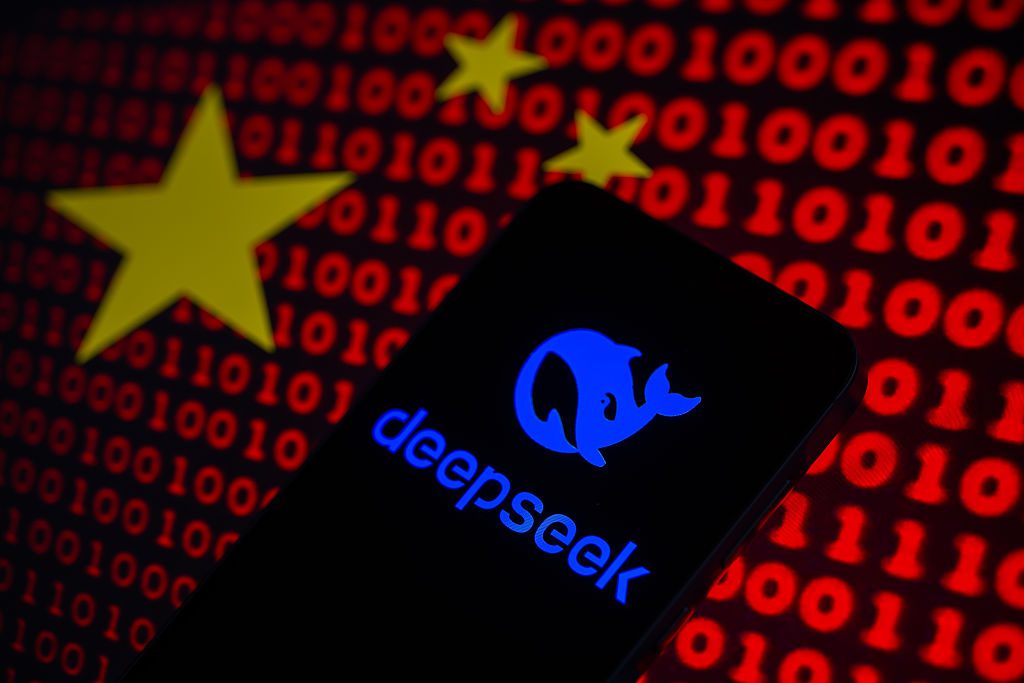
Anthropic, a leading AI research company, has accused three Chinese AI labs, DeepSeek, Moonshot, and MiniMax, of using 24,000 fake accounts to distill Claude’s AI capabilities. This accusation comes as U.S. officials debate export controls aimed at slowing China’s AI progress.
Background
Claude is an AI model developed by Anthropic, designed to process and generate human-like language. The model has gained significant attention in recent months due to its advanced capabilities and potential applications.
Anthropic’s Accusation
According to Anthropic, the three Chinese AI labs used fake accounts to interact with Claude, extracting valuable information about its capabilities and limitations. This information could be used to develop similar AI models, potentially undermining Anthropic’s competitive advantage.
U.S. Export Controls
The U.S. government is currently debating export controls aimed at slowing China’s AI progress. The proposed controls would restrict the export of advanced AI chips and technology to China, citing national security concerns.
Implications
The accusation by Anthropic and the proposed export controls have significant implications for the AI industry. If the controls are implemented, it could limit China’s access to advanced AI technology, potentially slowing its progress in the field.
Conclusion
In conclusion, the accusation by Anthropic against Chinese AI labs and the proposed U.S. export controls highlight the growing tensions in the AI industry. As the industry continues to evolve, it is likely that we will see more debates and controversies surrounding AI development and export controls.








