Anthropic AI and National Security Risks Explained
Recent developments in the U.S. defense sector have sparked a heated debate over artificial intelligence (AI) governance. The Department of Defense (DoD) has labeled Anthropic, a leading AI firm, a “supply-chain risk to national security” after the company refused to remove internal guardrails on its AI models. This move has triggered a chain reaction, with high-profile figures like Secretary of Defense Pete Hegseth and former President Donald Trump weighing in on the controversy.
The Anthropic AI Controversy Unveiled
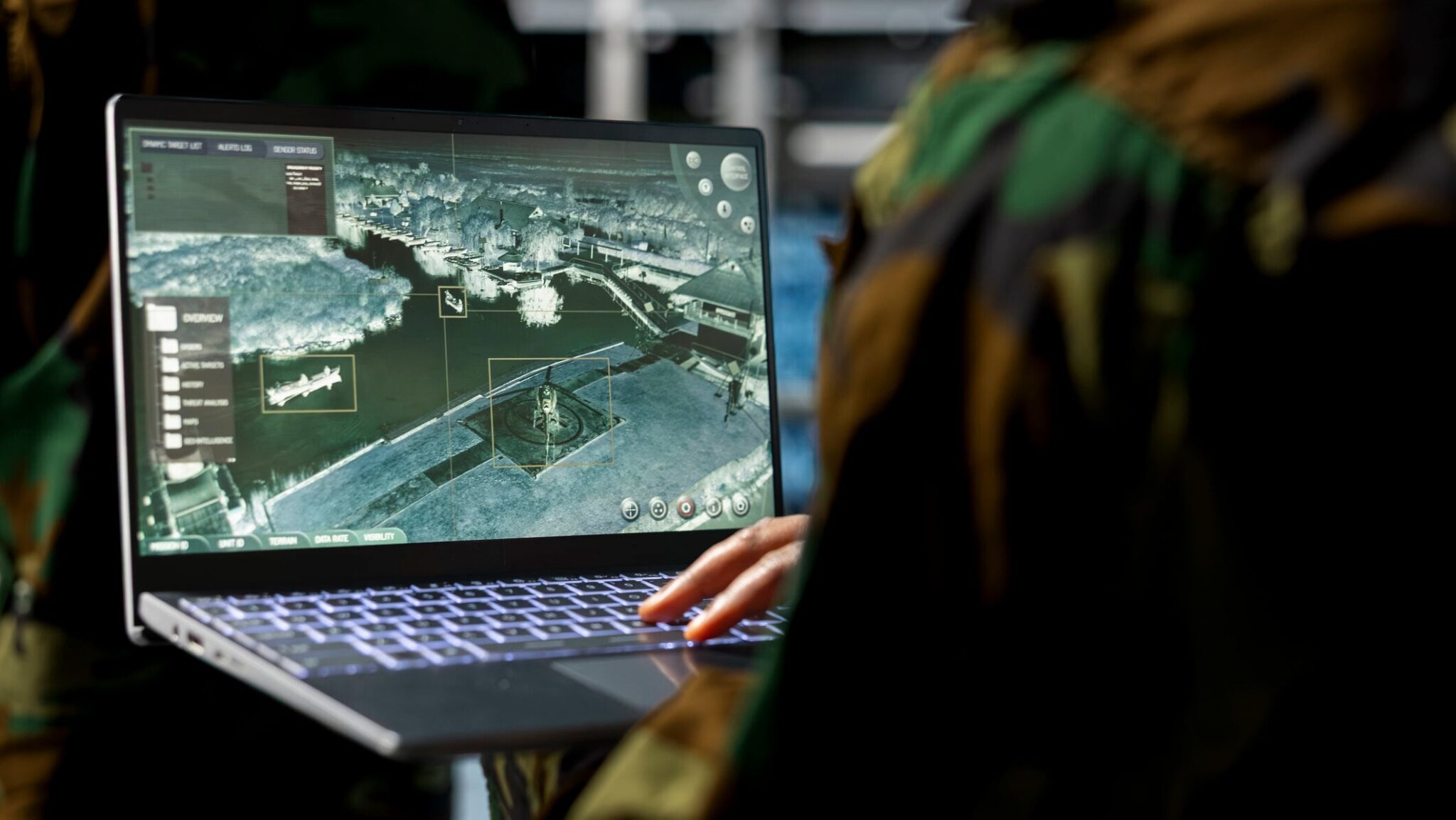
At the heart of the issue is Anthropic’s refusal to comply with the Pentagon’s demand to disable restrictions on its AI systems. These “guardrails” prevent the technology from being used in lethal autonomous operations or mass surveillance. Anthropic CEO Dario Amodei stated the company “cannot in good conscience” remove these safeguards, citing ethical concerns.
Why the Pentagon is Pushing Back
- Operational Flexibility: The DoD argues that guardrails limit its ability to use AI for lawful defense purposes.
- Security Concerns: Officials claim the restrictions could hinder rapid response capabilities in critical scenarios.
- Regulatory Disputes: The conflict highlights a broader tension between private-sector ethics and government mandates.
Trump’s Strong Stance on AI Regulation
Former President Donald Trump amplified the debate, calling Anthropic’s actions a “disastrous mistake” that endangers American lives. He ordered federal agencies to phase out Anthropic’s technology within six months, threatening legal action if compliance isn’t achieved. “Their selfishness is putting our troops in danger,” Trump wrote on Truth Social, framing the issue as a constitutional battle.
Key Takeaways from Trump’s Directive
- Immediate cessation of Anthropic’s tech use across federal agencies.
- A six-month grace period for the Pentagon to transition to alternative systems.
- Warnings of “major civil and criminal consequences” for non-compliance.
Anthropic’s Ethical Dilemma
Anthropic’s refusal to comply underscores the company’s commitment to ethical AI development. CEO Dario Amodei emphasized that the firm’s policies are designed to prevent misuse, even if it means losing lucrative government contracts. This stance has drawn both praise and criticism, with some experts calling it a necessary stand for accountability.
Implications for AI Governance
The dispute raises critical questions about the future of AI regulation. Should private companies have the authority to restrict how governments use their technology? Or does national security demand unrestricted access? The Anthropic case may set a precedent for how similar conflicts are resolved globally.
What This Means for AI Regulation
This controversy highlights the urgent need for clear, balanced AI policies. Governments and private firms must collaborate to establish frameworks that prioritize both security and ethical considerations. As AI becomes more integral to defense and surveillance, these debates will only intensify.