Anthropic AI Legal Battle: Court Halts US Blacklist Move
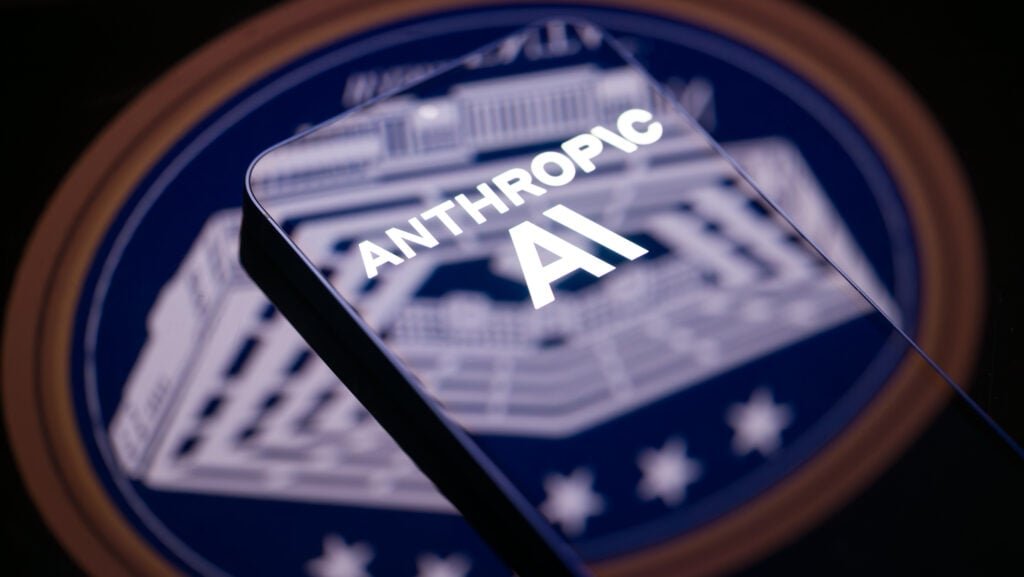
A federal court has temporarily blocked the US government’s attempt to blacklist Anthropic AI, marking a pivotal moment in the ongoing legal clash over AI regulations and national security. The ruling by Judge Rita Lin, a Biden appointee, challenges the government’s justification for labeling Anthropic a supply chain risk, setting the stage for a protracted legal showdown.
The Anthropic-US Government Dispute
The conflict began when Anthropic refused to accept expanded contract terms allowing the US military unrestricted use of its Claude AI system. President Donald Trump and Defense Secretary Pete Hegseth responded by ordering a ban on Anthropic’s technology, citing national security concerns. The administration later formalized this through two legal designations under federal statutes, effectively restricting Anthropic’s access to government contracts.
Key Legal Arguments
- Anthropic’s Stance: The company argues the restrictions violate due process and lack valid justification.
- Government’s Position: Officials claim Anthropic’s refusal to comply with “all lawful use” clauses poses an unacceptable risk.
Legal Developments and Court Rulings
Judge Lin’s preliminary injunction, issued Thursday, found the government’s reasoning “pretextual” and accused it of “unlawful retaliation.” The 48-page ruling halts enforcement of the supply chain risk designation until the lawsuit concludes. However, Pentagon officials, including Undersecretary Emil Michael, dismissed the order as containing “dozens of factual errors” and insisted the restrictions remain in effect.
Court’s Reasoning
Lin’s decision hinges on three key points:
- The government failed to provide sufficient evidence of supply chain risks.
- Anthropic demonstrated a strong likelihood of success in its lawsuit.
- The injunction prevents immediate harm to Anthropic’s business operations.
Implications and Future Outlook
Experts remain divided on the ruling’s broader impact. While some legal analysts argue the injunction applies only to the Department of Defense’s designation, others believe it could indirectly affect the broader federal ban. The case now faces a seven-day stay, allowing both sides to file appeals. The 9th Circuit Court, known for its politically diverse bench, will likely decide the next steps.
What This Means for AI Regulation
The outcome could set a precedent for how governments regulate AI technologies. If Anthropic prevails, it may force agencies to adopt clearer, more transparent criteria for restricting AI systems. Conversely, a government victory could embolden regulators to impose broader controls.
Conclusion
The Anthropic-US legal battle underscores the tension between innovation and security in AI development. As the case unfolds, stakeholders—from tech firms to policymakers—will watch closely for signals on how to balance these competing priorities. Stay tuned for updates and consider how these developments might shape your organization’s approach to AI governance.