Anthropic Legal Battle: Pentagon Designation and AI Industry Tensions
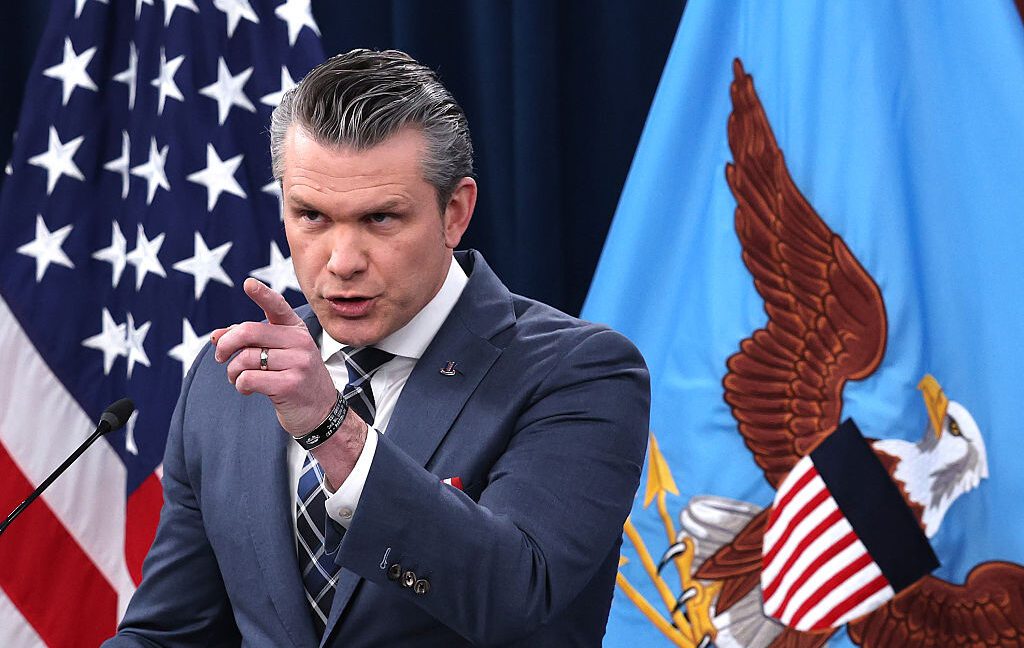
Recent developments in the AI sector have intensified as Anthropic faces a high-stakes legal showdown with the U.S. Department of Defense. A federal judge temporarily blocked the Pentagon’s attempt to label Anthropic a “supply chain risk,” but the battle is far from over. Meanwhile, rivalries between AI giants like OpenAI and Anthropic continue to shape the industry’s trajectory.
Understanding the Pentagon’s Supply Chain Risk Label
The Department of Defense designated Anthropic a “supply chain risk” under two separate statutes: 41 U.S.C. § 4713 and 10 U.S.C. § 3252. This move effectively barred federal agencies from using Anthropic’s AI models, including the popular Claude series. Anthropic challenged the decision in court, arguing the designation violated the First Amendment and lacked legal justification.
Key Legal Arguments
- First Amendment Concerns: Anthropic claimed the Pentagon’s actions amounted to censorship, stifling free speech and innovation.
- Procedural Flaws: The company argued the designation process lacked transparency and due process.
- Overreach of Authority: Anthropic questioned the Pentagon’s legal basis for imposing such restrictions.
Legal Victory and Lingering Challenges
A federal judge in Northern California ruled in Anthropic’s favor, issuing a preliminary injunction to block the 4713 designation. However, the Pentagon retains the 3252 designation, which remains in effect. This split decision means Anthropic must pursue separate legal battles for each statute, with the D.C. Circuit Court of Appeals likely to play a pivotal role in the final outcome.
What This Means for Anthropic
While the court’s ruling is a significant win, the company faces an uphill climb. The Pentagon has signaled its intent to enforce the 3252 designation, and the D.C. Circuit may rule differently on that front. Legal experts suggest the case could set a precedent for how national security concerns intersect with AI development.
Anthropic vs. OpenAI: A Feud with Industry Implications
Beyond legal battles, Anthropic and OpenAI remain locked in a high-profile rivalry. Sources reveal that Anthropic co-founder Dario Amodei once compared Sam Altman’s leadership style to “Hitler’s fight with Stalin,” highlighting deep-seated tensions. These personal and professional conflicts influence how each company approaches AI ethics, governance, and market strategy.
Key Points of Conflict
- Philosophical Differences: Anthropic positions itself as an “antidote” to OpenAI’s cautious, regulatory-heavy approach.
- Leadership Struggles: Altman and Amodei’s feud has spilled into public view, with personal grievances affecting corporate decisions.
- Strategic Alliances: Anthropic’s alignment with the Trump administration contrasts with OpenAI’s more neutral stance.
Broader Implications for the AI Industry
The Anthropic-Pentagon case and Anthropic-OpenAI rivalry underscore the growing complexity of AI governance. As governments and corporations grapple with regulation, innovation, and competition, the industry faces critical questions about accountability, transparency, and national security.
What’s Next?
- Legal Appeals: Anthropic will likely appeal the 3252 designation to the D.C. Circuit Court.
- Regulatory Shifts: The outcome could influence how other AI firms navigate government scrutiny.
- Market Dynamics: Anthropic’s legal and strategic moves may reshape its position relative to OpenAI.
Conclusion: Navigating a High-Stakes Landscape
The Anthropic legal battle and its feud with OpenAI exemplify the volatile nature of the AI industry. As courts and policymakers weigh in, the sector must balance innovation with accountability. For readers, staying informed about these developments is crucial to understanding the future of AI governance and competition.
What do you think? Share your insights in the comments below!