
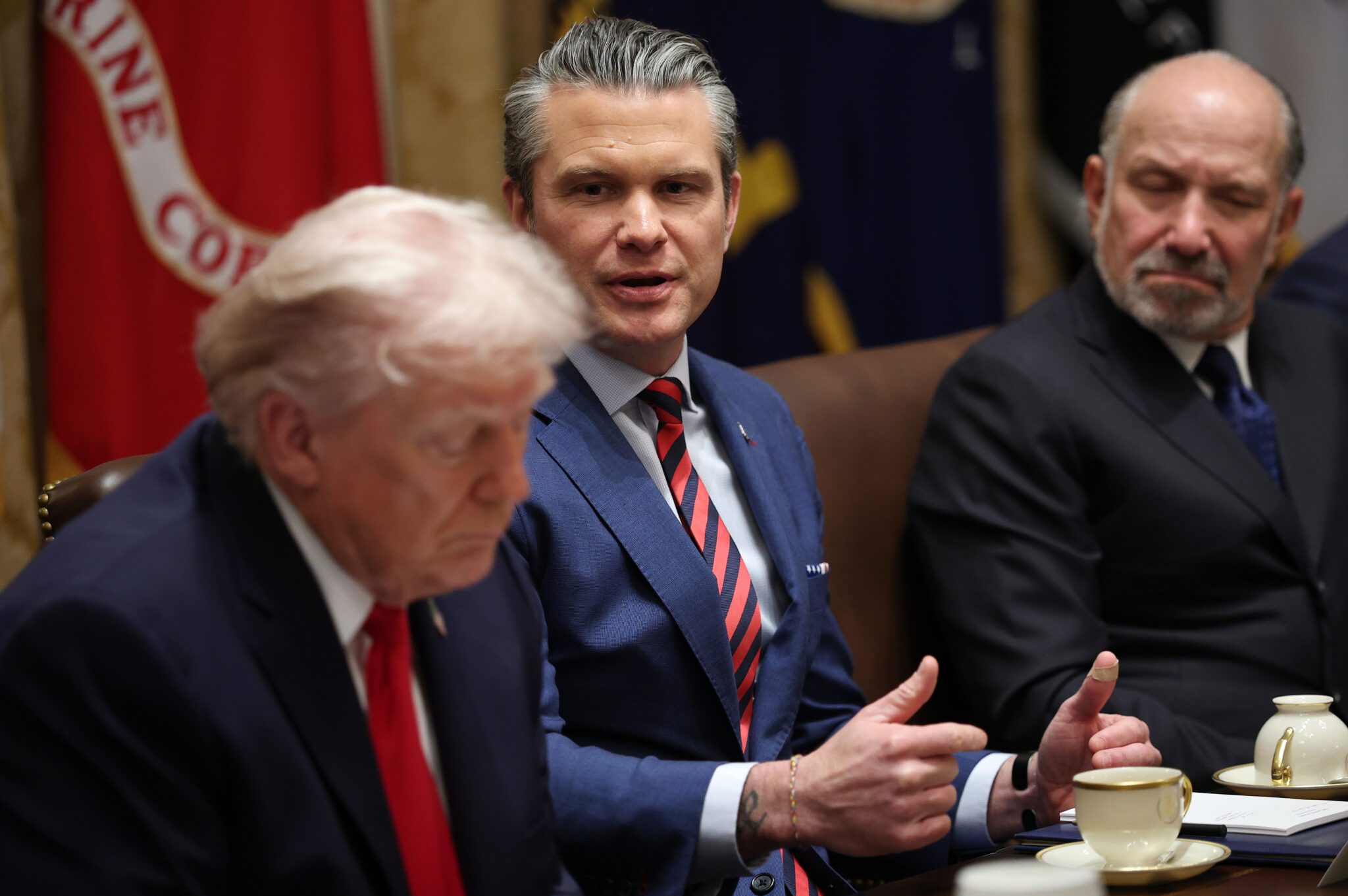
Anthropic Stands Firm Against Pentagon’s AI Demands
Anthropic’s refusal to comply with the Pentagon’s new military contract terms has ignited a high-stakes showdown between AI innovation and national security priorities. The tech giant is resisting demands to loosen guardrails on its AI models, which could enable mass surveillance of Americans and fully autonomous lethal weapons. This clash highlights broader ethical questions about the role of AI in warfare and the responsibilities of tech companies in shaping its future.
The Pentagon’s Ultimatum
The Department of Defense (DoD) has issued a stark choice: allow unrestricted access to Anthropic’s AI systems for “any lawful use” or face potential designation as a “supply chain risk.” This label, typically reserved for foreign adversaries, could cost Anthropic hundreds of billions in contracts. Pentagon CTO Emil Michael has escalated the pressure, threatening to cut ties with the $380 billion AI startup unless it complies.
Key Terms in Dispute
- Mass Surveillance: The DoD seeks AI tools for unrestricted domestic monitoring.
- Lethal Autonomous Weapons: Systems that can identify and engage targets without human oversight.
- Supply Chain Risk: A classification that could block Anthropic from future military contracts.
Anthropic’s Stance
CEO Dario Amodei has refused to yield, stating, “Threats do not change our position: we cannot in good conscience accede to their request.” Anthropic’s red lines—no mass surveillance of Americans and no lethal autonomous weapons—contrast sharply with rivals like OpenAI and xAI, which have reportedly accepted the new terms. This divergence has sparked internal debates at other tech firms with defense contracts, with employees expressing unease about their companies’ roles in military applications.
Industry Reactions
Amazon Web Services employees, for example, have voiced frustration: “When I joined the tech industry, I thought tech was about making people’s lives easier. Now it seems like it’s all about making it easier to surveil and kill people.” Such sentiments underscore a growing tension between corporate ethics and government demands.
Broader Implications
This conflict raises critical questions about AI governance. Should tech firms dictate how their tools are used, or must they comply with national security mandates? The outcome could set a precedent for how AI companies navigate military partnerships globally. Meanwhile, the public is increasingly aware of these issues, with polls showing 68% of Americans oppose fully autonomous weapons.
What’s Next?
With the Pentagon’s deadline looming, Anthropic faces a pivotal decision. If it maintains its stance, it could inspire other AI firms to prioritize ethical boundaries. Conversely, capitulating might accelerate the militarization of AI. The White House meeting between Amodei and Defense Secretary Pete Hegseth remains a key development to watch.
Conclusion
The Anthropic-Pentagon standoff is more than a corporate dispute—it’s a test of values in the AI era. As technology evolves, companies must balance innovation with accountability. Readers are encouraged to engage in these debates, whether by supporting ethical AI initiatives or advocating for transparent military oversight. The future of AI depends on choices made today.
FAQs
1. What are the Pentagon’s demands for AI military contracts?
The DoD seeks unrestricted access to AI systems for mass surveillance and lethal autonomous weapons, requiring companies to remove ethical guardrails.
2. Why is Anthropic resisting these terms?
Anthropic refuses to enable mass surveillance of Americans or fully autonomous weapons, citing ethical concerns and public trust.
3. How do other AI companies compare?
OpenAI and xAI have reportedly accepted the Pentagon’s terms, while Anthropic remains the only major firm to reject them.
4. What are the risks of autonomous weapons?
These systems could make life-or-death decisions without human oversight, increasing the risk of unintended casualties and ethical violations.
5. What role do tech employees play in this debate?
Employees at firms with defense contracts are increasingly vocal about ethical concerns, reflecting a broader industry shift toward accountability.








