
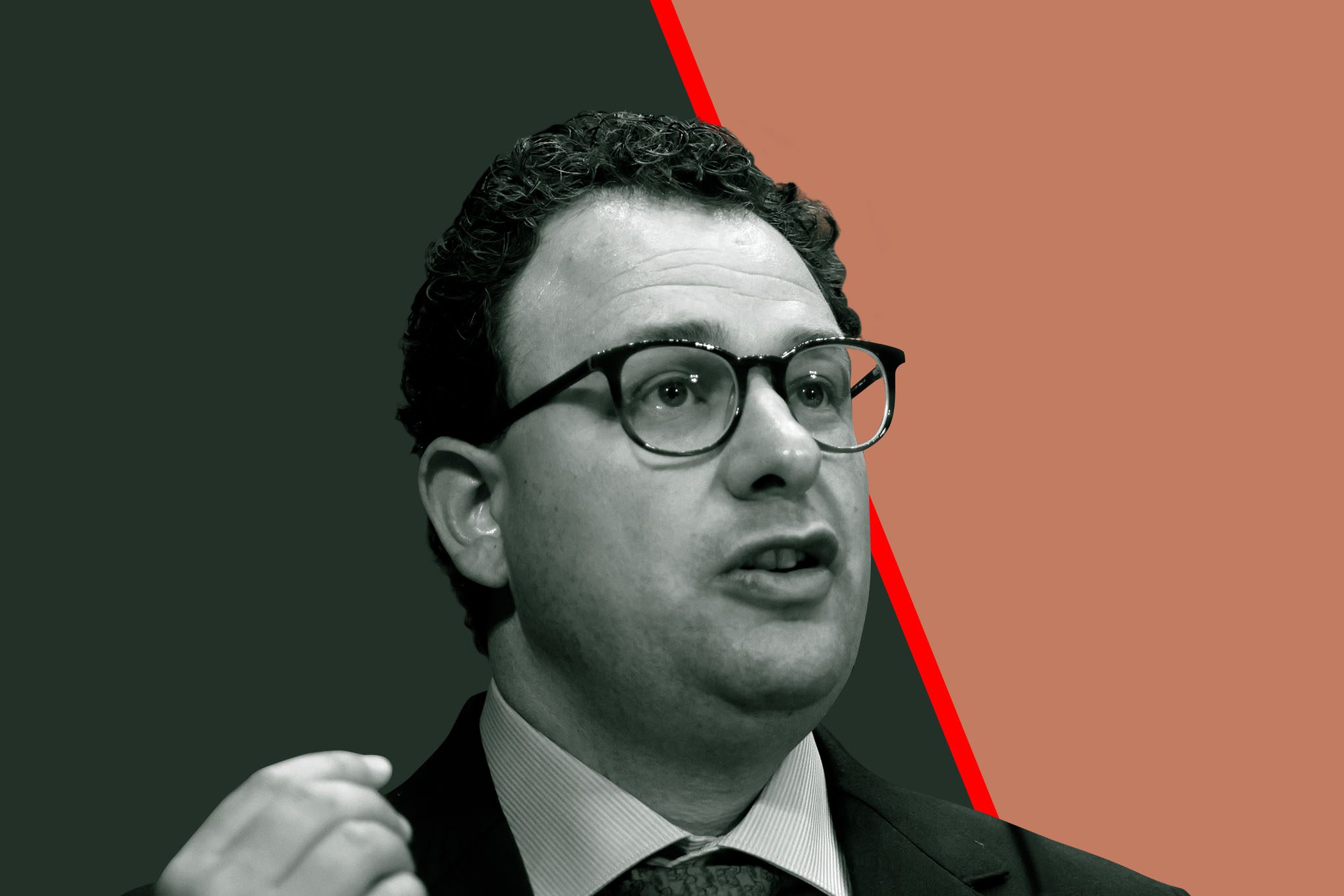
Anthropic Stands Firm: AI Ethics Over Pentagon Demands
Less than 24 hours before a critical deadline, Anthropic CEO Dario Amodei delivered a defiant statement rejecting the Pentagon’s ultimatum to grant unrestricted access to its AI systems. This refusal centers on two core ethical principles: no mass surveillance of Americans and no lethal autonomous weapons. The standoff highlights a growing tension between national security priorities and AI ethics, with Anthropic positioning itself as a guardian of democratic values.
Why Anthropic’s Refusal Matters for AI Governance
The Pentagon’s demand for unrestricted access to Anthropic’s AI models, particularly Claude, has sparked a broader debate about the role of AI in warfare and surveillance. While OpenAI and xAI reportedly accepted revised terms, Anthropic’s stance underscores the risks of unregulated AI deployment. Amodei’s statement emphasizes that “AI can undermine, rather than defend, democratic values” in specific contexts, a position that challenges the military’s current approach.
The Pentagon’s Ultimatum and Anthropic’s Red Lines
Defense Secretary Pete Hegseth’s push to renegotiate AI contracts with the military has forced companies to choose between compliance and ethical principles. Anthropic’s refusal to compromise on two issues—
- Mass surveillance of U.S. citizens: Amodei argues this violates privacy rights and democratic norms.
- Lethal autonomous weapons: The CEO insists current AI systems lack reliability for fully autonomous warfare.
—has placed the company at odds with the Pentagon. Despite threats of being labeled a “supply chain risk,” Anthropic remains resolute, offering to transition military operations to other providers if necessary.
Implications for AI Development and National Security
Autonomous Weapons: A Future Debate
Amodei acknowledges that “partial autonomous weapons are vital to the defense of democracy” but stresses that today’s AI systems are not ready for full autonomy. This nuanced position opens the door for future collaboration but demands rigorous safety standards. The Pentagon, meanwhile, has reportedly explored invoking the Defense Production Act to force compliance, a move that could set a dangerous precedent for AI governance.
Broader Industry Impact
Anthropic’s refusal has ripple effects across the AI sector. By prioritizing ethics over contracts, the company challenges peers to reevaluate their own partnerships. OpenAI’s compliance with Pentagon terms, in contrast, raises questions about the trade-offs between profit and principle in AI development.
What This Means for the Future of AI Ethics
The Anthropic-Pentagon standoff is a pivotal moment for AI ethics. It forces policymakers and technologists to confront hard questions: How do we balance national security with civil liberties? Can AI be weaponized responsibly? Amodei’s stance suggests that ethical AI requires transparency, public oversight, and a commitment to democratic values—even when it means financial or political consequences.
Key Takeaways for Businesses and Developers
- Define clear ethical boundaries: Anthropic’s red lines offer a blueprint for responsible AI deployment.
- Engage in public dialogue: Open communication with stakeholders builds trust and accountability.
- Prepare for regulatory pushback: Governments may prioritize control over ethical considerations.
Conclusion: A Call for Ethical AI Leadership
Anthropic’s refusal to bend to Pentagon demands is more than a corporate decision—it’s a statement about the future of AI. As Amodei notes, “threats do not change our position.” This unwavering commitment to ethics should inspire other companies to prioritize values over short-term gains. The path forward requires collaboration between technologists, policymakers, and the public to ensure AI serves humanity, not just power.
Stay informed: Follow this evolving story and join the conversation on AI ethics. Share your thoughts in the comments or subscribe to our newsletter for updates on AI governance and national security.
FAQs
What is Anthropic’s stance on Pentagon AI contracts?
Anthropic refuses to grant unrestricted access to its AI systems for lethal autonomous weapons or mass surveillance, prioritizing ethical principles over compliance.
Why are lethal autonomous weapons a concern?
Current AI systems lack the reliability to make life-or-death decisions without human oversight, risking unintended consequences and ethical violations.
How does Anthropic’s refusal impact national security?
While the Pentagon views this as a disruption, Anthropic offers to transition military operations to other providers, emphasizing its commitment to democratic values.
What alternatives exist for ethical AI development?
Collaborative frameworks, public-private partnerships, and transparent governance models can align AI innovation with societal values.
Can AI ethics and national security coexist?
Yes, but only through rigorous oversight, public accountability, and a shared commitment to democratic principles.








