Apple Blocks AppGrid Update Over Launchpad Resemblance
Apple has sparked controversy by halting updates for AppGrid, a third-party macOS app, due to its similarity to the defunct Launchpad feature. This move has left users and developers puzzled, as Launchpad was officially removed in macOS Tahoe last September.
Why Apple Blocked AppGrid Updates
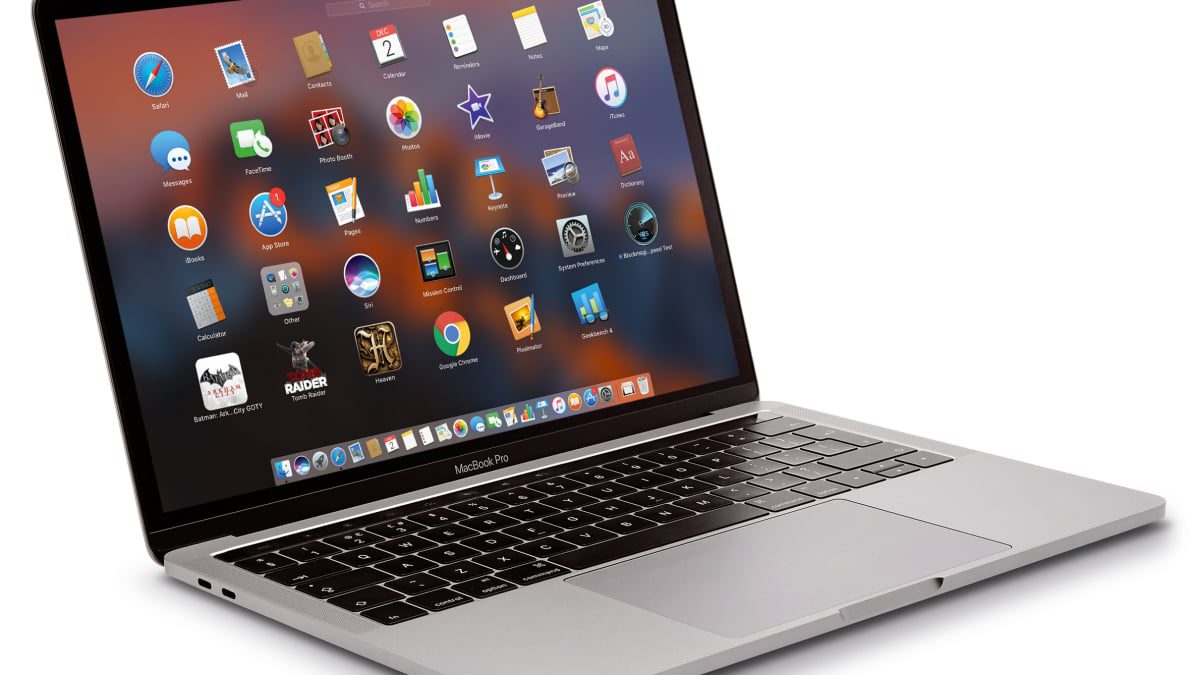
AppGrid, a popular replacement for Launchpad, allows users to organize apps in a grid layout, much like the original Apple feature. However, Apple’s App Store guidelines prohibit apps from being “confusingly similar” to existing Apple products. Despite Launchpad’s removal, Apple claims AppGrid’s design violates this rule.
Launchpad’s Legacy
Launched in 2011, Launchpad offered a curated, iPad-like app grid for Mac users. Its removal in macOS Tahoe left a gap, with the replacement “Apps” tool lacking customization and search functionality. Third-party developers like Attila Miklós, creator of AppGrid, stepped in to fill this void.
Apple’s Stance and Developer Pushback
Miklós argues that Apple’s decision is contradictory. While Launchpad no longer exists, Apple refuses to approve AppGrid updates unless its design is altered. Miklós refuses to change the app’s look, as users paid for the current version. The App Store listing remains active, but updates are blocked, leaving the app in a “zombie state.”
Impact on Users and Alternatives
Users who rely on AppGrid for app organization now face a stale app in the App Store. While Miklós offers direct downloads for updates, this bypasses Apple’s ecosystem. Here’s what users can do:
- Direct Download: Visit AppGrid’s website for the latest version.
- Explore Alternatives: Consider other Launchpad replacements like AppLauncher or GridFlow.
- Provide Feedback: Share concerns with Apple via their App Store review process.
What This Means for App Developers
Apple’s strict design policies highlight the challenges third-party developers face. While the company aims to maintain a cohesive user experience, its rules can stifle innovation. Developers must now balance user expectations with Apple’s evolving guidelines.
Key Takeaways
- Apple’s App Store policies prioritize consistency over user choice.
- Third-party apps fill critical gaps but risk rejection over design similarities.
- Users must adapt to workarounds when updates are blocked.
Conclusion: A Call for Flexibility
Apple’s decision to block AppGrid updates raises questions about fairness in app development. While the company has a right to enforce design standards, its approach here seems outdated. Users and developers alike deserve flexibility, especially when replacing defunct features. For now, AppGrid users must rely on direct downloads or alternative tools. Stay informed and share your thoughts—Apple’s policies shape the future of macOS.