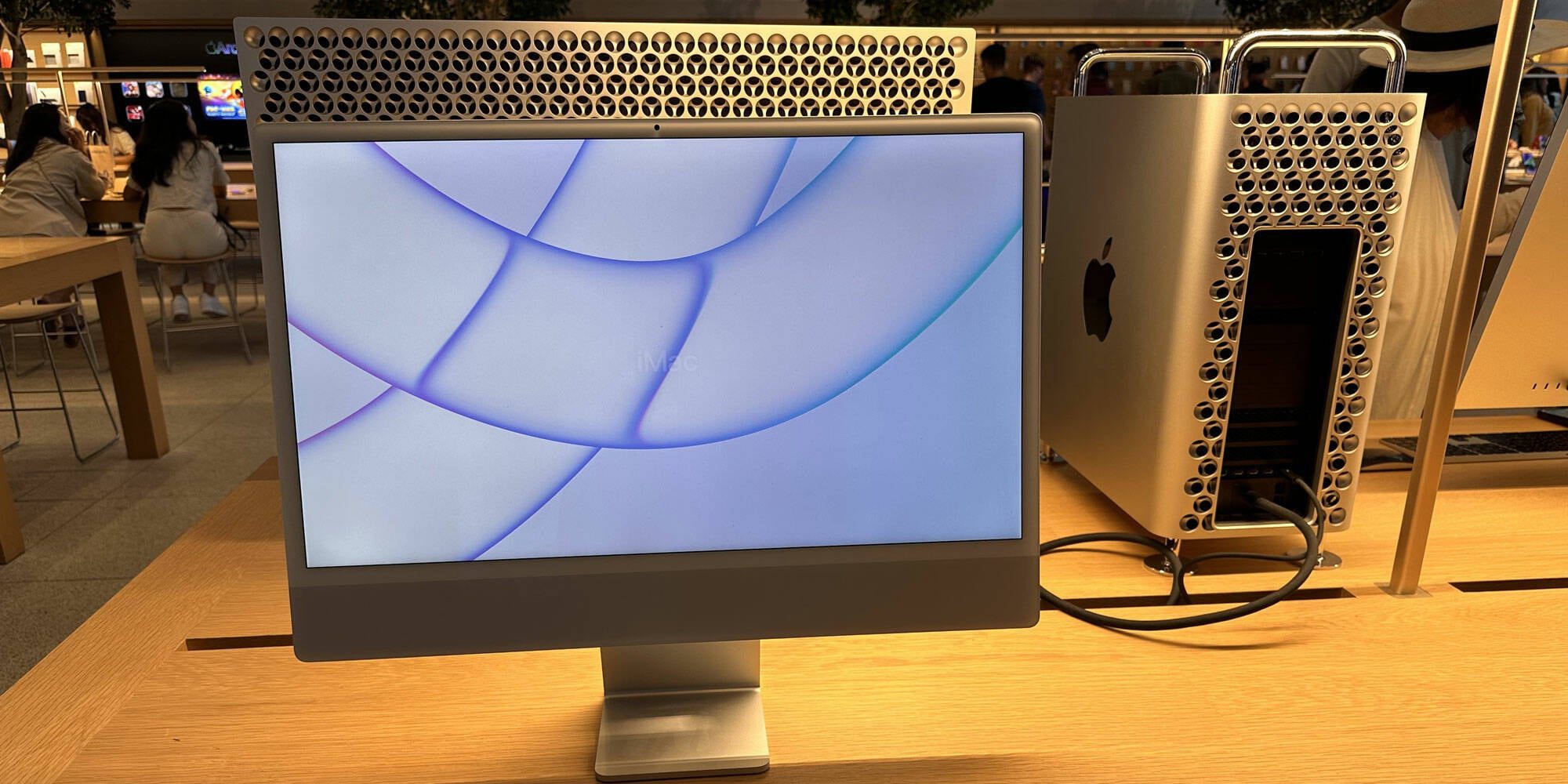
Apple Mac Pro Discontinued: The End of Expandable PCs?
Apple has officially discontinued the Mac Pro, marking a pivotal moment in computing history. This isn’t just a product update—it’s a signal that expandable desktop computers are becoming relics. The Mac Pro, once a symbol of customizable power, now joins a growing list of systems replaced by highly integrated, non-upgradable designs.
Why the Mac Pro’s Discontinuation Matters
The 2023 Mac Pro, priced at $7,000, featured an M2 Ultra SoC but lacked critical expandability. Despite seven PCIe slots, Apple’s own documentation restricted users from adding GPUs or upgrading RAM. This shift reflects a broader industry trend: integration over customization.
The Integration Revolution
Computing has evolved from the 1981 IBM PC, which relied on expansion cards for graphics and peripherals, to today’s systems where CPUs, GPUs, RAM, and storage are fused into a single chip. Apple’s M1 and M2 chips exemplify this trend, embedding memory and storage directly onto the silicon. Even Intel and AMD are following suit, with AMD’s chiplet-based designs and Intel’s integrated GPUs leading the charge.
Historical Context: From Expandable to Integrated
The Mac Pro’s journey mirrors the PC’s evolution. The original 2006 model, dubbed the “cheesegrater,” was a powerhouse for its time. The 2019 model, with its sleek design, faced criticism for limited expansion. Now, the 2023 model—despite its high-end specs—fails to meet the needs of professionals who require hardware flexibility.
Industry-Wide Shift
- 1980s: PCs relied on expansion cards for graphics, sound, and storage.
- 2000s: Motherboards began integrating GPUs and chipsets.
- 2010s: AMD and Intel merged CPUs with GPUs (APUs).
- 2020s: Apple’s M1/M2 chips combine CPU, GPU, RAM, and storage on a single die.
What’s Next for Desktop Computing?
Moore’s Law and Dennard scaling have driven integration, but fabrication costs are rising. High-end systems will likely remain non-upgradable, with performance gains achieved through tighter integration rather than modular components. Apple’s Mac Studio (512 GB RAM model) and AMD’s chiplet designs highlight this trajectory.
Competitors and Alternatives
AMD leads in open-source GPU drivers and chiplet manufacturing. Intel and Apple continue to push integrated SoCs, while NVIDIA’s lack of Arm acquisition limits its options. For users, this means fewer DIY options but potentially more efficient systems.
Conclusion: Embrace the Integrated Future
The Mac Pro’s discontinuation isn’t just about one product—it’s a sign of the times. As integration becomes the norm, users must adapt to systems where customization is no longer an option. Stay ahead of the curve by understanding how this shift will shape the future of computing.