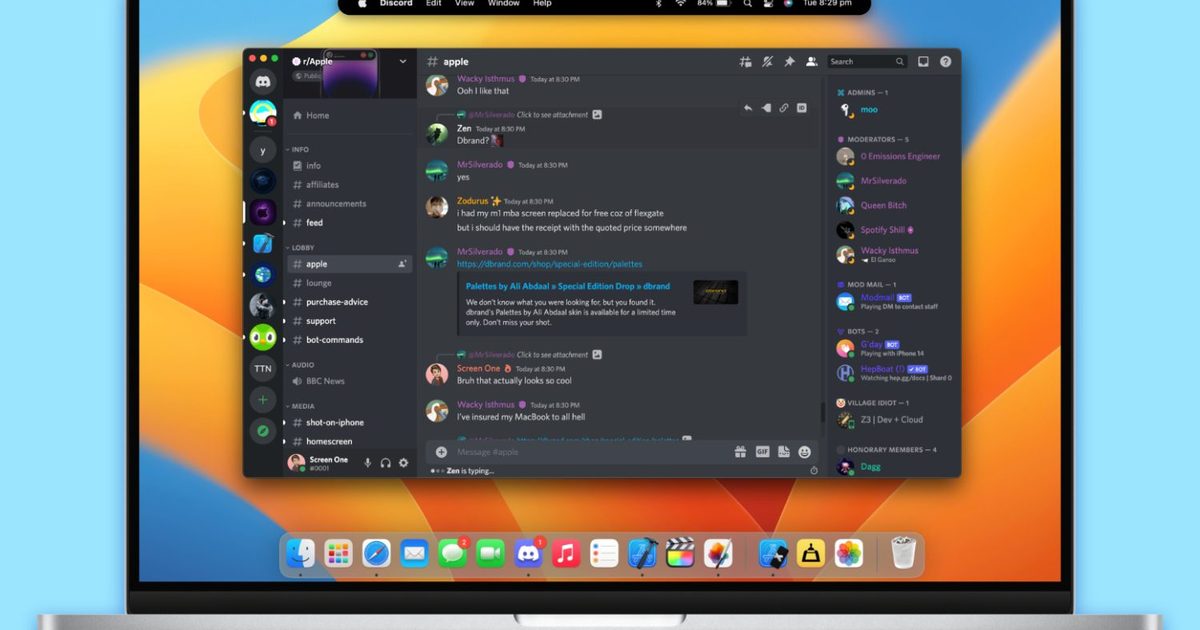
Introduction to the New MacBook Pro
Apple is expected to launch redesigned MacBook Pro laptops later this year, featuring a massive overhaul in terms of design and internal components. One of the biggest changes is the inclusion of a touch-sensitive panel with OLED technology, replacing the current mini-LED panels. Additionally, the Dynamic Island, a feature first introduced on iPhones, is set to make its debut on the new MacBook Pro models.
What’s the Big Shift?
According to a report by Bloomberg, the Dynamic Island will be placed at the center top of the display, offering a hub of activities similar to what is seen on iPhones. This move aims to address two key issues: eliminating the notch and providing a more functional and interactive experience for users. The Dynamic Island is expected to serve as a progress timer, track ongoing activities, and more.
Design and Functionality
The upcoming 14-inch and 16-inch MacBook Pro models, currently in development under the codenames K114 and K116, will feature a user interface designed around interactions. The Dynamic Island will be smaller than the one on iPhones and will be designed to blend seamlessly with the familiar point-and-click approach of macOS. Users will have the option to use touch input as much or as little as they prefer.
Implications and Questions
The introduction of the Dynamic Island on MacBook Pro raises several questions. One of the primary concerns is how dynamic the Dynamic Island will be and whether it will frequently change size like the iPhone version. This could potentially disrupt muscle memory, as buttons and interactive elements may no longer be where users expect them to be.
Conclusion
The upcoming MacBook Pro redesign is an exciting development, with the inclusion of the Dynamic Island set to revolutionize the user experience. While there are still questions to be answered, one thing is certain: the new MacBook Pro models will offer a unique blend of innovation and functionality. As Apple continues to push the boundaries of what is possible with technology, users can expect a seamless and interactive experience like never before.