
Introduction to Arctic Air Policing
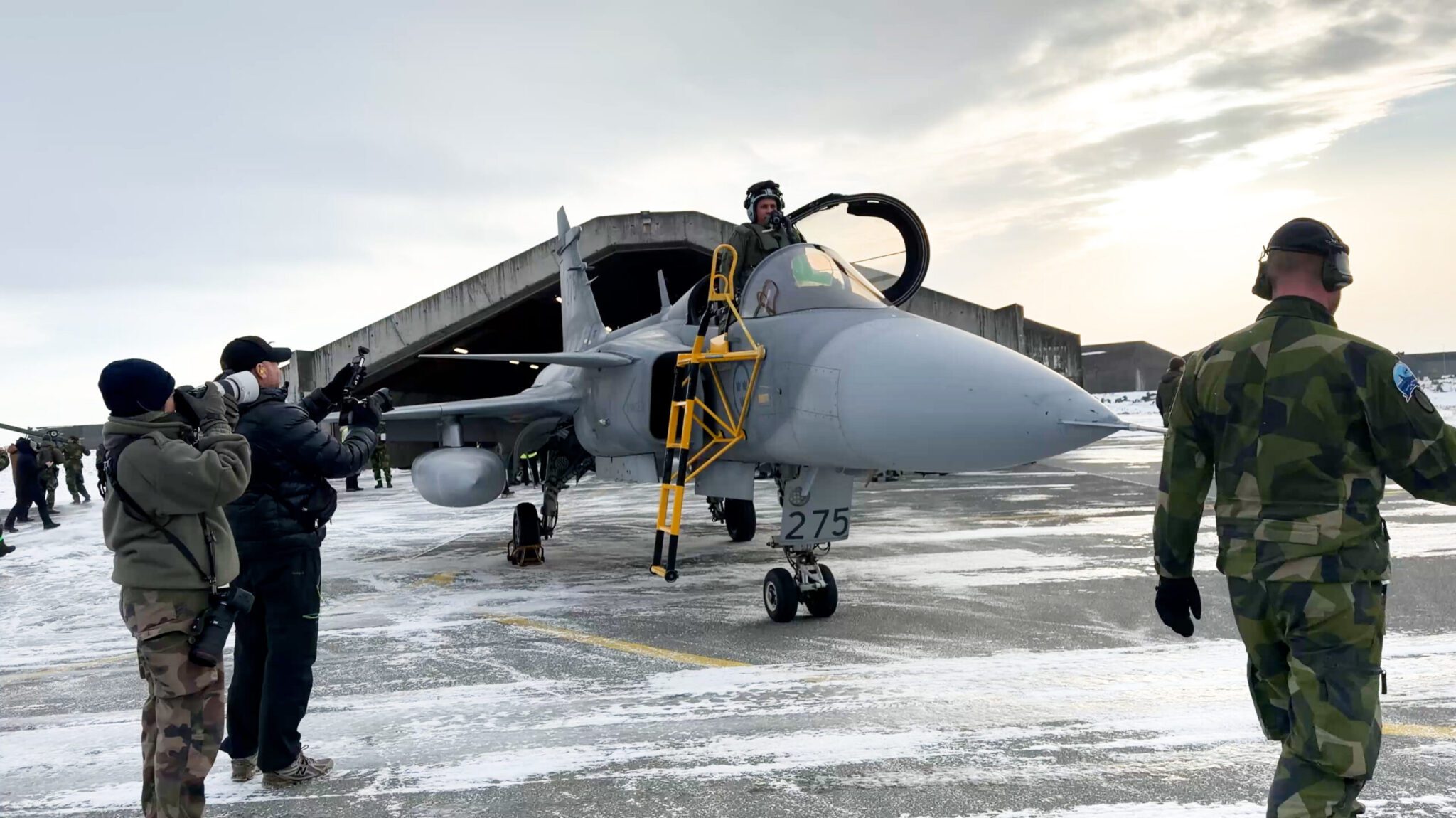
Sweden is taking the lead in securing Arctic airspace as part of NATO’s Arctic Sentry mission. Meanwhile, the Swedish Air Force has deployed six JAS 39 Gripen C fighters to Keflavík Air Station in Iceland. However, the harsh weather conditions have posed significant challenges to the operation.
For example, the fighters were grounded for two days due to strong winds, which could have endangered pilot survivability in case of ejection. Additionally, the air station’s history dates back to World War II, and it has hosted NATO air policing missions on a rotational basis since 2008.
Sweden’s Role in Arctic Air Policing
Sweden holds primary responsibility for securing Arctic airspace for two months. Therefore, the Swedish Air Force’s Skaraborg Wing (F7) has deployed over 100 personnel to Keflavík Air Station. Furthermore, some of the jets are equipped with IRIS-T short-range infrared-seeking air-to-air missiles.
Moreover, the Swedish fighter jet crew has been working closely with NATO forces to ensure the success of the mission. Meanwhile, the crew has been facing challenges such as harsh weather conditions and limited infrastructure. However, they remain committed to their role in securing Arctic airspace.
Conclusion and Future Outlook
In conclusion, Sweden’s leadership in the Arctic Sentry mission marks a significant milestone in the country’s contribution to NATO’s air policing efforts. Finally, as the mission continues, the Swedish Air Force will face new challenges and opportunities in the Arctic region.








