
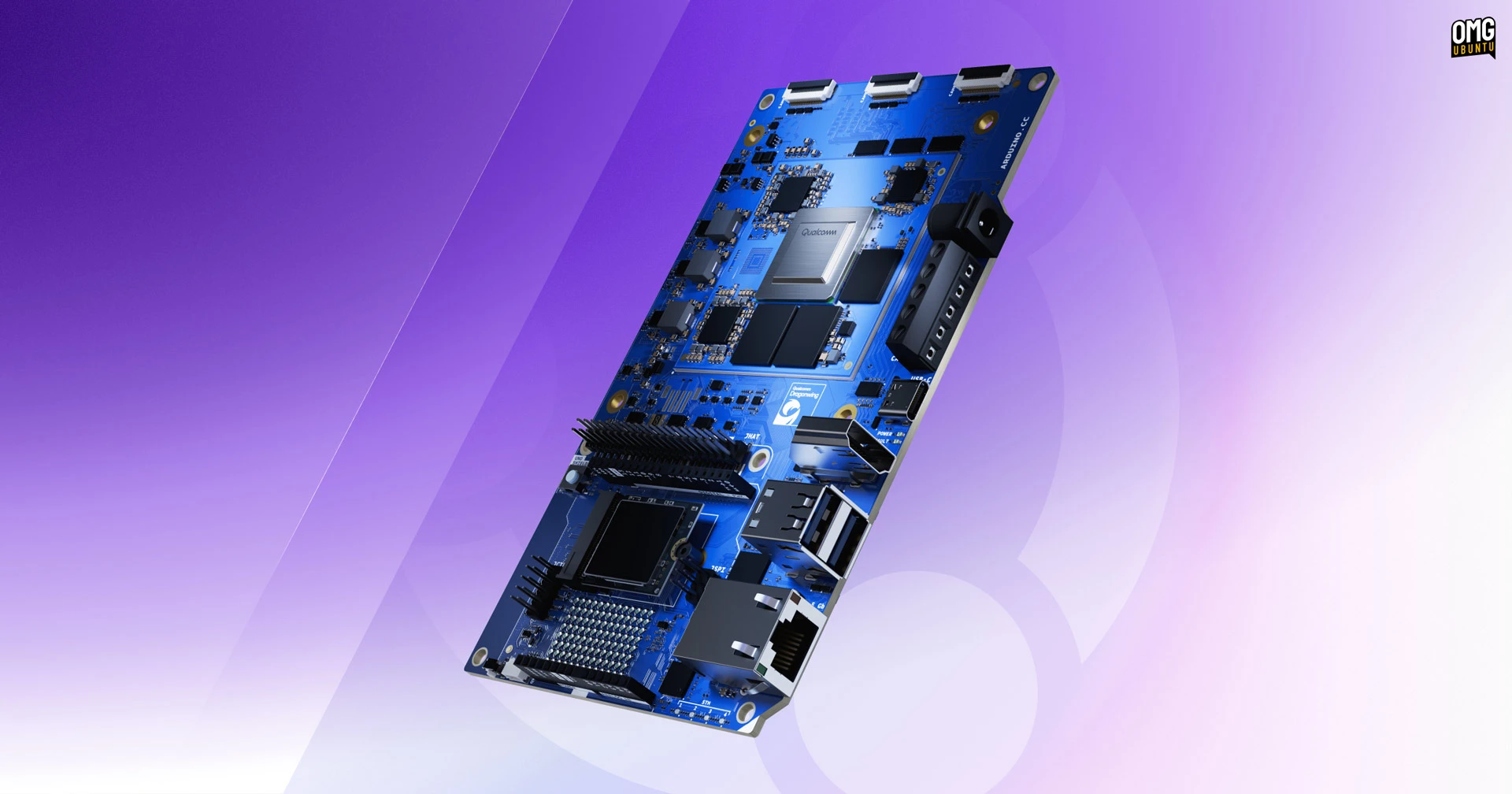
Arduino AI Single-Board Computer: Powering Edge AI Innovation
Arduino, the iconic name behind DIY electronics, has stepped into the edge AI arena with its latest creation: the Ventuno Q. This single-board computer isn’t just another Raspberry Pi alternative—it’s a powerhouse designed to handle demanding AI workloads in robotics, industrial automation, and computer vision. Let’s break down what makes this board a game-changer for developers and engineers.
What Makes the Ventuno Q Stand Out?
At its core, the Ventuno Q is built around Qualcomm’s Dragonwing IQ-8275 processor. This chip combines CPU, GPU, and NPU capabilities to deliver 40 TOPS of AI compute—enough to run large language models and visual AI tasks directly on the device. For context, that’s double the RAM (16GB LPDDR5) and robust storage (64GB eMMC) compared to similar boards like the Jetson Orin Nano Super.
- Expandable Storage: M.2 NVMe slot for additional storage
- Connectivity: Wi-Fi 6, Bluetooth 5.3, 2.5Gb Ethernet
- Compatibility: Works with Arduino shields, Raspberry Pi HATs, and Modulino nodes
Arduino App Lab: Simplifying AI Development
The Ventuno Q’s real magic lies in its software ecosystem. The Arduino App Lab lets developers create AI-powered projects using Python, Arduino sketches, or pre-built AI models—all from a single interface. This eliminates the friction of switching between tools, making it easier to prototype and deploy AI solutions quickly.
For advanced users, the board supports standard Linux tools like VS Code and Docker. This flexibility ensures developers can choose their preferred workflow while leveraging the Ventuno Q’s hardware capabilities.
Ubuntu at the Edge: A Strategic Partnership
Canonical’s Ubuntu OS plays a critical role in the Ventuno Q’s success. The board ships with Ubuntu pre-installed, a strategic move to position Ubuntu as the go-to OS for edge computing. Canonical and Qualcomm have collaborated to certify Ubuntu 24.04 for Dragonwing devices, ensuring long-term security updates and scalability for industrial applications.
“By providing a reliable Ubuntu foundation, we ensure prototypes can scale into secure industrial solutions with 10 years of maintenance,” says Cindy Goldberg, Canonical’s VP of Silicon Alliances.
Real-World Applications and Availability
The Ventuno Q isn’t for hobbyists—it’s built for professionals. Its AI capabilities make it ideal for:
- Industrial Automation: Real-time decision-making in manufacturing
- Robotics: On-device computer vision for autonomous systems
- Smart Cities: Edge AI for traffic management and surveillance
While no official release date or pricing has been announced, the Ventuno Q will debut at Embedded World 2026 (March 10–12, Germany). Developers can sign up for availability alerts on Arduino’s website.
Why This Matters for the Future of AI
The Ventuno Q represents a shift toward edge-first AI—processing data locally instead of relying on cloud infrastructure. This reduces latency, enhances privacy, and enables real-time responses in critical applications. With Ubuntu’s scalability and Arduino’s hardware expertise, this board could redefine how industries adopt AI at scale.
For developers ready to push the boundaries of edge computing, the Ventuno Q is a compelling option. Stay tuned for updates—and consider joining the waitlist if you’re eager to test this AI powerhouse.








