ARMD Missile Test: A New Era in Rapid Missile Development
What if the future of missile technology could be built in just eight months? The U.S. Air Force and Ursa Major just proved it’s possible. Their recent flight test of the Affordable Rapid Missile Demonstrator (ARMD) marks a major leap in defense innovation, blending speed, cost-effectiveness, and cutting-edge propulsion systems.
The ARMD Missile: A Game-Changer in Missile Development
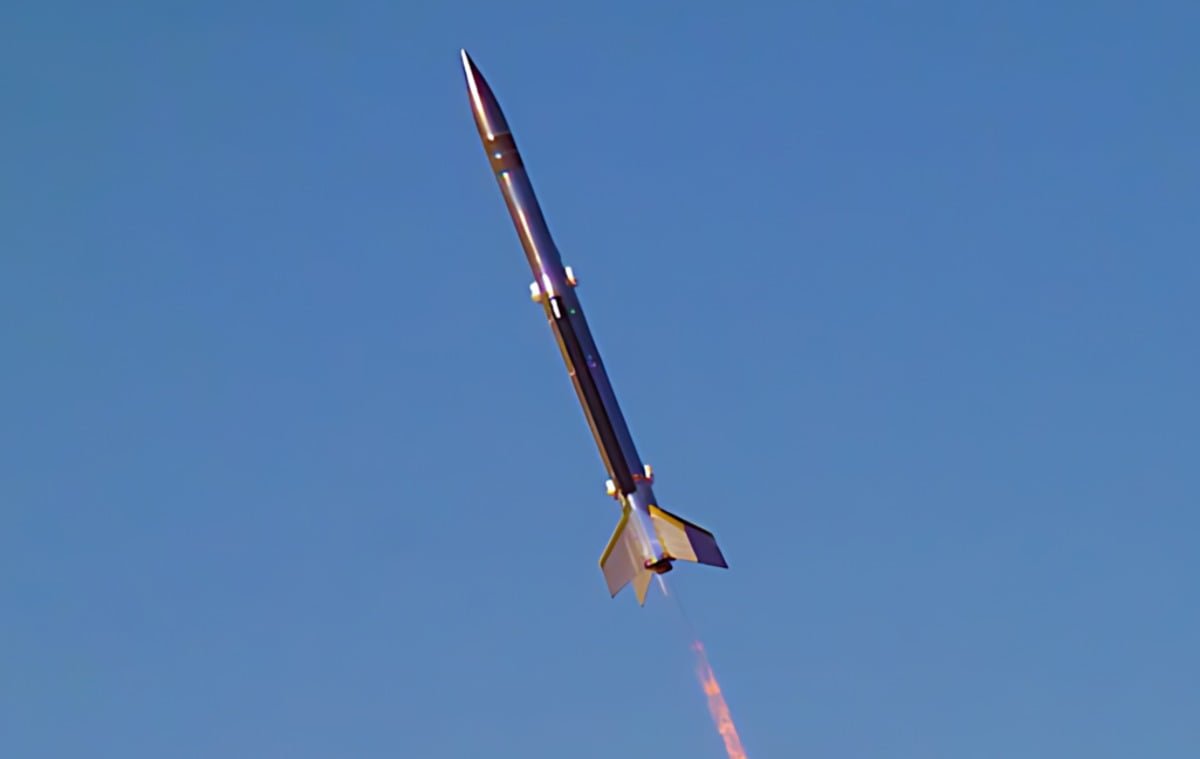
On March 12, 2026, the Air Force Research Laboratory (AFRL) and Ursa Major launched the ARMD missile, powered by the Draper liquid rocket engine. This test achieved supersonic speeds and validated a bold concept: rapidly developing and producing missile systems using throttleable liquid propulsion. The project isn’t just about a single missile—it’s about redefining how the military approaches defense technology.
Collaboration Between AFRL and Ursa Major
AFRL’s partnership with Ursa Major highlights the power of public-private collaboration. The Draper engine, developed by Ursa Major, builds on earlier work with the Hadley engine. This partnership accelerated development from contract to flight testing in just eight months—a timeline that would have been unthinkable with traditional methods.
How the Draper Engine Works
Liquid rocket engines like Draper offer a key advantage over solid-fuel systems: adjustability. Unlike solid motors, which burn at a fixed rate, liquid engines mix propellants during operation. This allows engineers to throttle thrust levels mid-flight, enabling precise control over performance and flight profiles.
- Throttleable Thrust: Adjust engine power during flight for dynamic mission needs.
- Safe, Storable Propellants: Use stable fuels that reduce handling risks.
- Mass-Produced Scalability: Design for rapid, cost-effective manufacturing.
Quotes From the Frontlines
“This project proves we can transform acquisition models to deliver critical tech faster,” said Brig. Gen. Jason Bartolomei, AFRL Commander. Ursa Major’s CEO Chris Spagnoletti added, “We’ve shown you can get a liquid engine in the air quickly and affordably.”
Implications for Future Defense Systems
The ARMD test isn’t just a technical milestone—it’s a strategic shift. By prioritizing rapid development and affordability, the Air Force aims to create a scalable deterrent capable of adapting to evolving threats. This approach could revolutionize how militaries worldwide design and deploy missile systems.
Why This Matters
Traditional missile programs often take years and billions to develop. ARMD’s success demonstrates that agile, collaborative projects can deliver results in months. For example, the Draper engine’s ability to adjust thrust mid-flight opens new operational concepts, such as variable-speed interceptors or adaptive strike profiles.
What’s Next for ARMD?
AFRL and Ursa Major plan additional flight tests to refine the Draper engine’s performance. The ultimate goal? A mass-producible missile system that balances speed, cost, and capability. As Dr. Javier Urzay of AFRL notes, “ARMD is a key milestone in affordable, scalable propulsion tech for tomorrow’s wars.”
Conclusion: The Future of Missile Development Is Here
The ARMD project redefines what’s possible in defense innovation. By embracing throttleable liquid engines and rapid development cycles, the Air Force is paving the way for a new generation of missile systems. Stay tuned for more updates—and subscribe to our Weekly Defense Roundup to never miss a breakthrough.