Arm’s AGI CPU: A Game-Changer for AI Data Centers
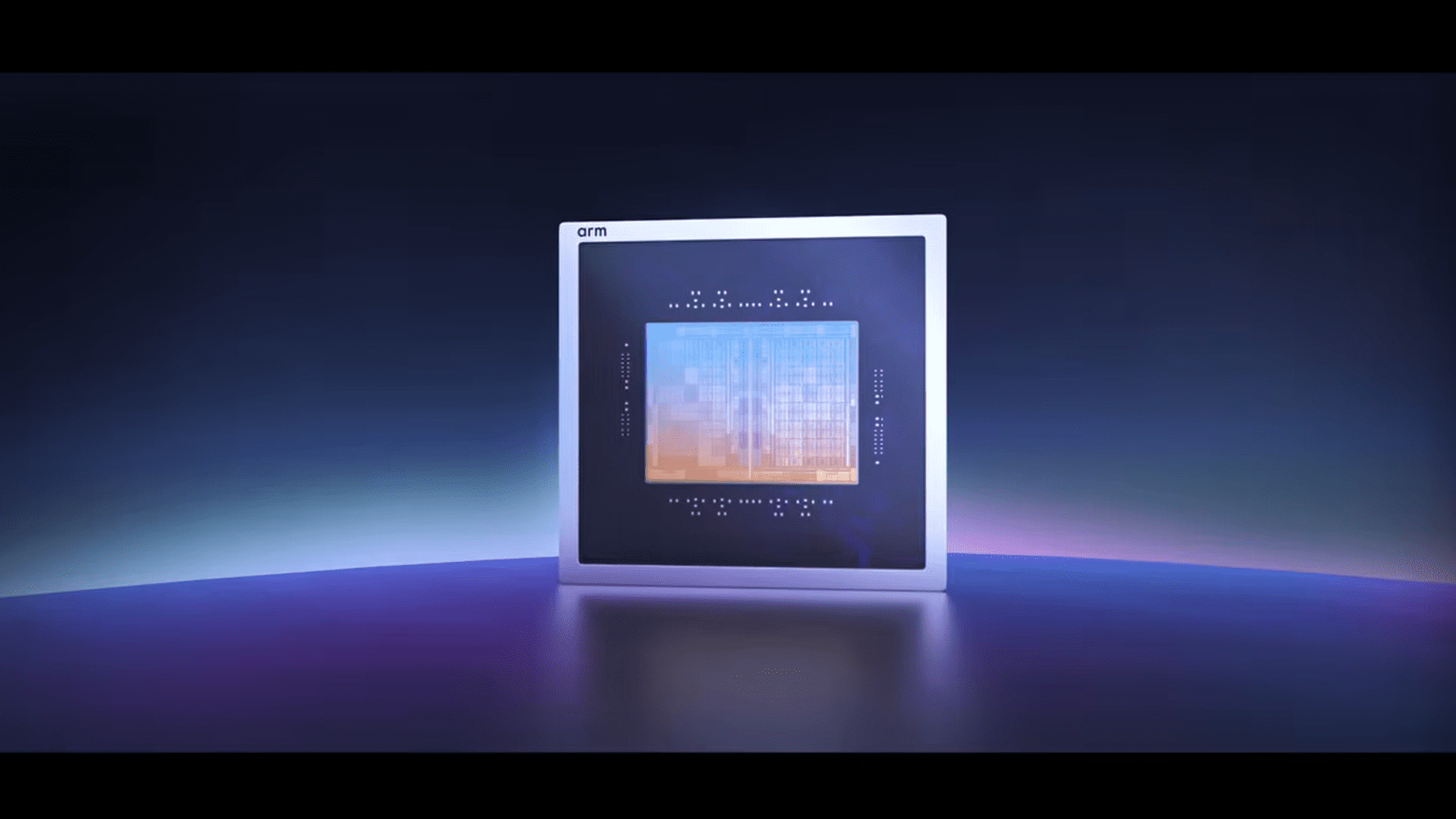
Artificial intelligence is no longer a futuristic concept—it’s the backbone of modern data centers. As companies like Meta and OpenAI push the boundaries of AI, the demand for specialized silicon has skyrocketed. Enter Arm, a longtime chip design leader, with its bold move into the AI silicon race. The company’s new AGI CPU (Artificial General Intelligence Central Processing Unit) signals a seismic shift in how data centers will power the next generation of AI applications. Let’s break down what this means for the tech industry and why it matters.
Why AI-First Data Centers Need a New Kind of Chip
Traditional data centers were built for general-purpose computing. But AI workloads—especially those involving massive datasets and real-time processing—require hardware optimized for parallelism, efficiency, and scalability. CPUs designed for AI must handle tasks like training neural networks, inferencing, and data preprocessing with minimal latency and energy consumption.
The Limitations of Current Solutions
- GPUs: While powerful for parallel tasks, GPUs often struggle with memory bandwidth and power efficiency.
- TPUs: Google’s Tensor Processing Units are AI-specific but lack flexibility for diverse workloads.
- Custom ASICs: Expensive to develop and not easily adaptable to evolving AI algorithms.
Arm’s AGI CPU aims to bridge these gaps by combining the efficiency of RISC architecture with AI-specific optimizations.
What Makes Arm’s AGI CPU Unique?
Arm’s approach to AI silicon is rooted in its decades of experience designing energy-efficient processors for mobile and embedded systems. The AGI CPU leverages Arm’s Neoverse platform, which is already used in high-performance computing (HPC) environments. Key features include:
- Scalable Architecture: Modular design allows customization for different AI workloads, from edge devices to cloud-scale data centers.
- Advanced Vector Processing: Optimized for matrix operations critical to deep learning and neural networks.
- Energy Efficiency: Up to 40% lower power consumption compared to competing CPUs, reducing operational costs.
Real-World Applications
Early adopters like Meta and OpenAI are already testing Arm’s AGI CPU in their data centers. For example, Meta’s AI-driven content moderation systems require real-time processing of billions of data points daily. The AGI CPU’s ability to handle these tasks with lower latency and power consumption could significantly reduce infrastructure costs.
Implications for the Tech Industry
Arm’s entry into the AI silicon market disrupts the status quo. Here’s how it could reshape the landscape:
1. Democratizing AI Access
By offering a flexible, cost-effective alternative to GPUs and TPUs, Arm’s AGI CPU could lower the barrier to entry for smaller companies and startups. This democratization aligns with the growing trend of AI-as-a-Service (AIaaS), where cloud providers offer pre-optimized AI infrastructure.
2. Accelerating AI Innovation
With hardware tailored for AI, developers can focus on algorithmic improvements rather than workarounds for suboptimal silicon. This synergy between hardware and software could lead to breakthroughs in areas like natural language processing and computer vision.
3. Reducing Environmental Impact
Data centers account for 1% of global electricity use. Arm’s energy-efficient design addresses this by reducing carbon footprints without compromising performance—a win for sustainability-focused organizations.
Challenges and the Road Ahead
Despite its promise, Arm’s AGI CPU faces hurdles. Competitors like NVIDIA and AMD are investing heavily in AI-specific GPUs, while Intel’s upcoming Xeon AI chips could challenge Arm’s position. Additionally, software ecosystems must adapt to fully leverage the AGI CPU’s capabilities.
However, Arm’s partnerships with cloud giants like AWS and Microsoft Azure provide a strong foundation. These collaborations ensure the AGI CPU will be integrated into major cloud platforms, giving it a head start in adoption.
Conclusion: The Future of AI Is Here
Arm’s AGI CPU isn’t just another chip—it’s a catalyst for the next phase of AI evolution. As AI-first data centers become the norm, the demand for specialized silicon will only grow. By addressing the limitations of existing solutions, Arm is positioning itself as a key player in this transformation.
For businesses and developers, the takeaway is clear: the AI revolution is accelerating, and the right hardware can make all the difference. Stay ahead of the curve by exploring how Arm’s AGI CPU can power your next AI project. Learn more about AI infrastructure trends and how to future-proof your data center.