
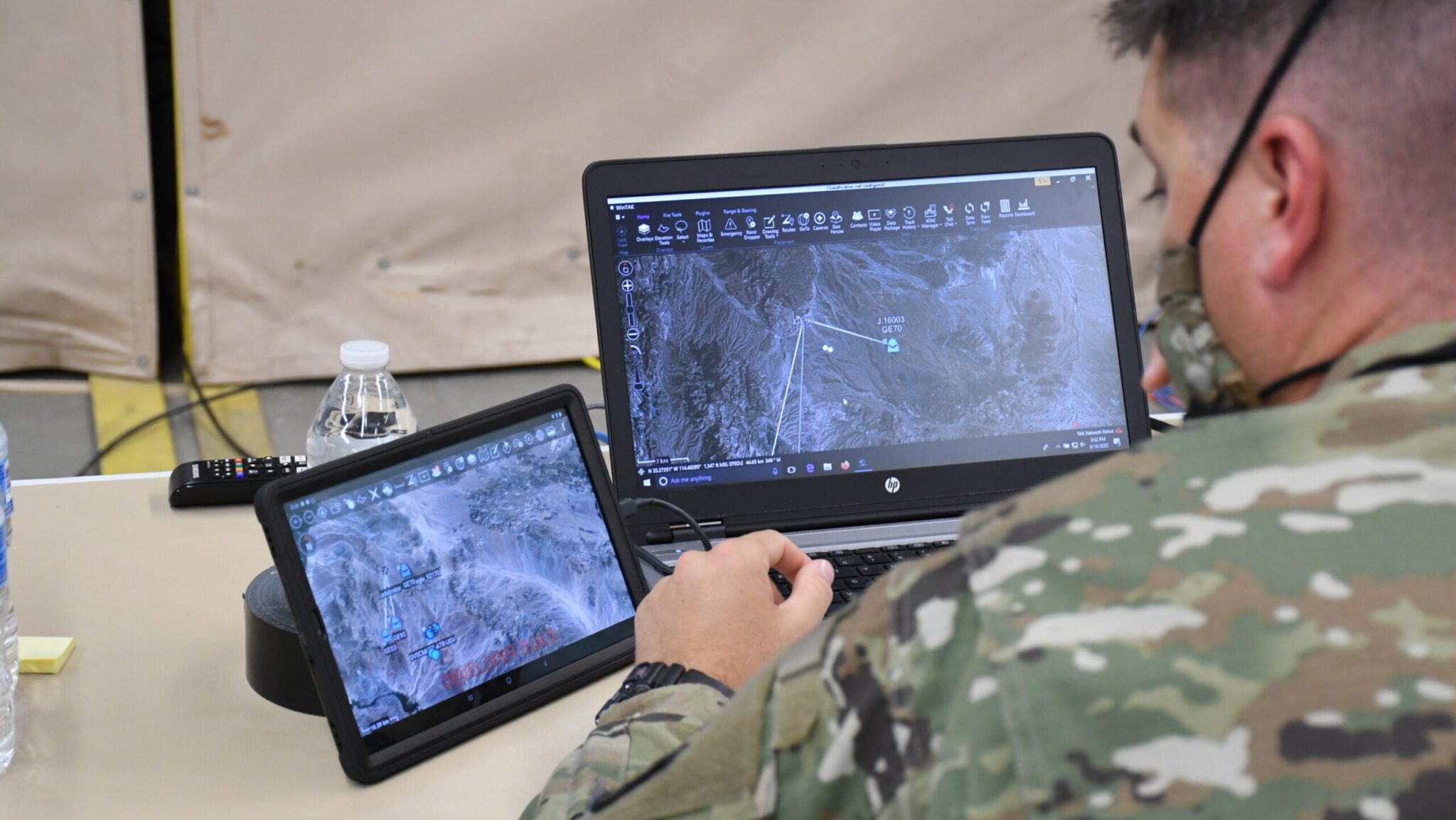
Army Data Operations Center: Revolutionizing Tactical Data Sharing
In modern warfare, data is the new ammunition. The U.S. Army is addressing this reality with the Army Data Operations Center (ADOC), a groundbreaking initiative designed to streamline data sharing across global operations. By integrating tools like the Windows Tactical Assault Kit (WINTAK) and Android Tactical Assault Kit (ATAK), the ADOC aims to create a unified data ecosystem for soldiers, enhancing situational awareness and decision-making on the battlefield.
What Is the Army Data Operations Center?
Lt. Gen. Jeth Rey, deputy chief of staff, G6, described the ADOC as the Army’s “9-1-1 for moving data.” This centralized hub will connect forces, partners, and combatant commands by fusing data from disparate sources. The goal is to break down silos and ensure real-time access to critical information, whether troops are en route to a deployment or engaged in combat.
Global Reach and Data Fusion
- Global Network: The ADOC operates on a truly global scale, supporting data exchange across all echelons of command.
- Common Operating Picture: Tools like WINTAK and ATAK provide soldiers with real-time air and ground position location information (PLI), creating a shared understanding of the battlefield.
- Data Tagging and Access Control: The Army is prioritizing standardized data labeling and attribute-based access control to ensure secure, efficient data use.
Overcoming Data Management Challenges
“We have tons of data, but it’s siloed,” Rey emphasized. The ADOC tackles this by establishing authoritative data sources and streamlining tagging processes. This shift from fragmented systems to a cohesive data layer is critical for achieving decision dominance in high-stakes scenarios.
How ADOC Enhances Situational Awareness
For soldiers on the ground, the ADOC’s impact is tangible. By integrating PLI from WINTAK and ATAK, troops gain a dynamic, real-time view of their surroundings. This capability is especially vital in complex environments where split-second decisions can determine mission success.
Integration with Next-Gen Command Systems
The ADOC aligns with the Army’s Next Generation Command and Control (NGC2) initiative, which includes an advanced data layer for interoperability. This layer supports the Pentagon’s broader Combined Joint All-Domain Command and Control (CJADC2) vision, ensuring seamless data exchange with joint forces and coalition partners.
Real-World Applications
Consider a scenario where a soldier uses ATAK to track enemy movements. The ADOC ensures this data is instantly shared with command centers and allied units, enabling coordinated responses. Such integration reduces the fog of war and accelerates decision-making cycles.
The Future of Tactical Data Operations
The ADOC represents a paradigm shift in how the Army approaches data. By prioritizing global connectivity, standardized protocols, and real-time sharing, it positions the military to outpace adversaries in an increasingly data-driven world. As Rey noted, the initiative is “bold”—but necessary for maintaining operational superiority.
For organizations and technologists, the ADOC offers a blueprint for managing complex data ecosystems. Its success hinges on collaboration, innovation, and a commitment to breaking down barriers between systems and stakeholders.
Key Takeaways
- The ADOC centralizes data sharing for global military operations.
- Tools like WINTAK and ATAK enhance situational awareness through real-time PLI.
- Standardized data protocols and access controls are critical for decision dominance.
Conclusion: A Data-Driven Army for the Modern Battlefield
The Army Data Operations Center is more than a technical upgrade—it’s a strategic evolution. By transforming how data is managed and shared, the ADOC empowers soldiers with the clarity and speed needed to succeed in today’s dynamic conflicts. As the Army continues refining this initiative, its lessons will resonate far beyond the military, offering insights into the future of data-centric operations.
Stay informed about the latest advancements in military technology and data strategy. Explore how your organization can leverage similar principles to drive innovation and operational efficiency.








