Army Readiness Challenges: Solutions for Modern Warfare
In March 2026, Army Undersecretary Michael Obadal highlighted a sobering reality: the U.S. Army is not meeting its readiness goals. During the McAleese Defense Programs Conference, he emphasized that the service faces critical gaps in major weapons systems, magazine depth, and sustainment capabilities. These challenges, he warned, demand urgent action—and industry collaboration is key to bridging the gap.
Public-Private Partnerships as a Strategic Fix
Obadal stressed that public-private partnerships (P3s) are essential to modernizing the Army’s industrial base. By working closely with original equipment manufacturers (OEMs), the Army aims to accelerate repairs and upgrades for aging aircraft and ground systems. For example, field engineers and soldiers could collaborate with OEMs to resolve technical issues faster, reducing downtime during critical operations.
Addressing Magazine Depth and Combat Sustainment
Magazine depth—the ability to maintain a steady supply of ammunition and ordnance—is under strain due to current global conflicts. Obadal noted that the Army must balance immediate readiness (responding “tonight”) with long-term sustainability (combat operations lasting a year). This dual focus requires innovative logistics solutions and increased production capacity.
Right-to-Repair Legislation: A Work in Progress
The Army’s proposed “right-to-repair” legislation, initially included in the 2026 National Defense Authorization Act (NDAA), aims to grant the service ownership of portions of vendor intellectual property. This would allow soldiers to fix equipment in the field rather than waiting for manufacturer repairs. Although the provision was removed from the final NDAA, Obadal confirmed the Army is refining the policy for potential inclusion in the 2027 version.
Overcoming Legislative Hurdles
Obadal acknowledged the complexity of balancing industry IP rights with military needs. The Army is now working with lawmakers and manufacturers to craft a “refined” version of the legislation. This approach prioritizes flexibility, ensuring both operational readiness and vendor incentives for innovation.
Strategic Priorities for the Future
- Collaborative Innovation: Partnering with industry to co-develop next-gen command and control systems.
- Field Repair Empowerment: Training soldiers to perform critical repairs using right-to-repair frameworks.
- Magazine Depth Expansion: Investing in domestic production to meet sustained combat demands.
Next-Generation Tech and Tactical Edge
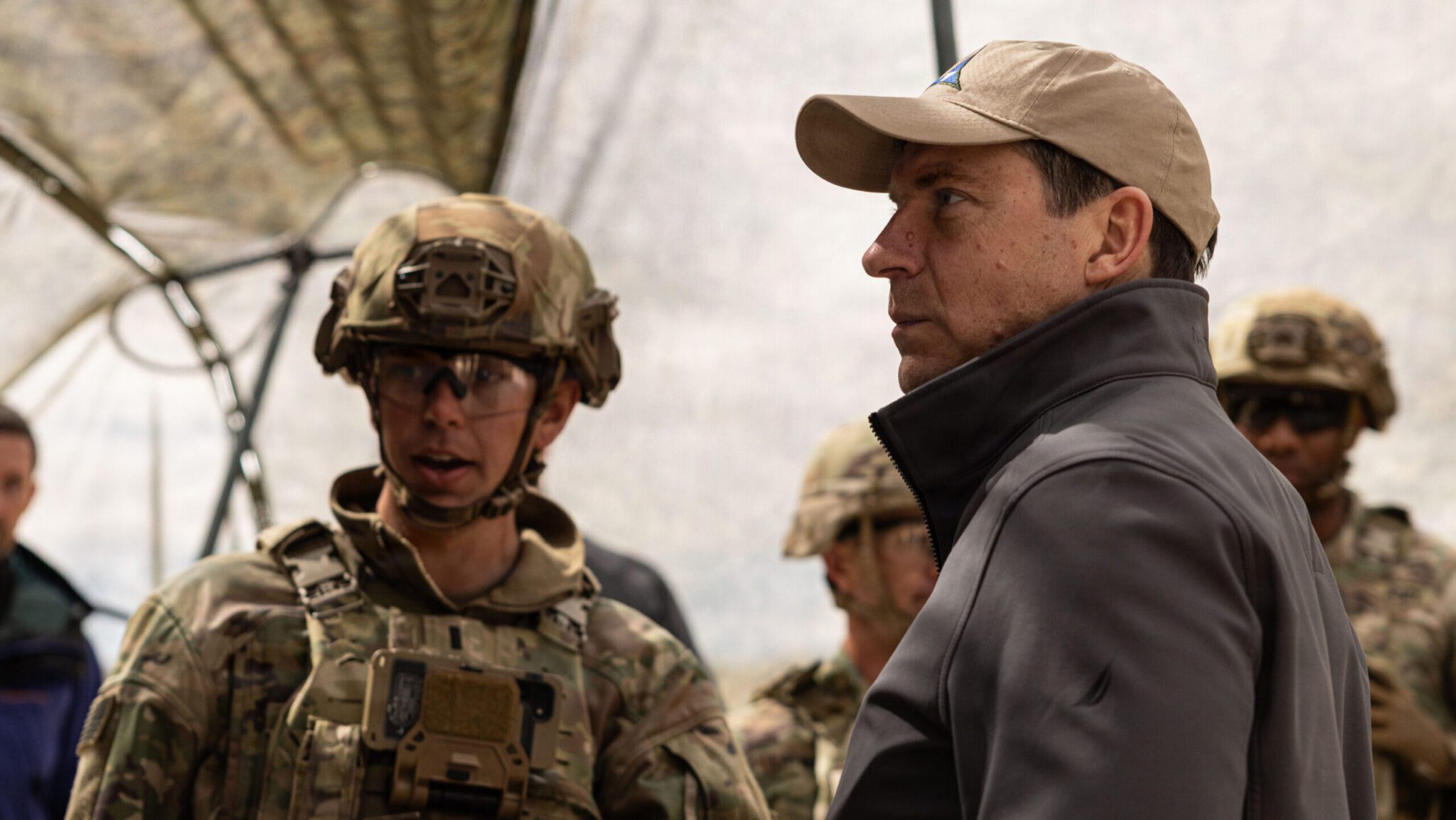
During a recent visit to Fort Carson, Colorado, Obadal observed a demonstration of Next-Generation Command and Control (C2) capabilities. These systems, designed for real-time battlefield coordination, underscore the Army’s commitment to integrating cutting-edge technology with operational agility.
Conclusion: A Call for Unity and Action
The Army’s readiness challenges are complex, but solutions exist. By embracing public-private partnerships, refining right-to-repair policies, and investing in modernization, the service can strengthen its ability to respond to global threats. As Obadal emphasized, “We have real problems—but we’re addressing them.”
Stay informed: Follow developments in Army readiness and defense policy to understand how these initiatives shape national security.