Introduction to the Artemis II Mission
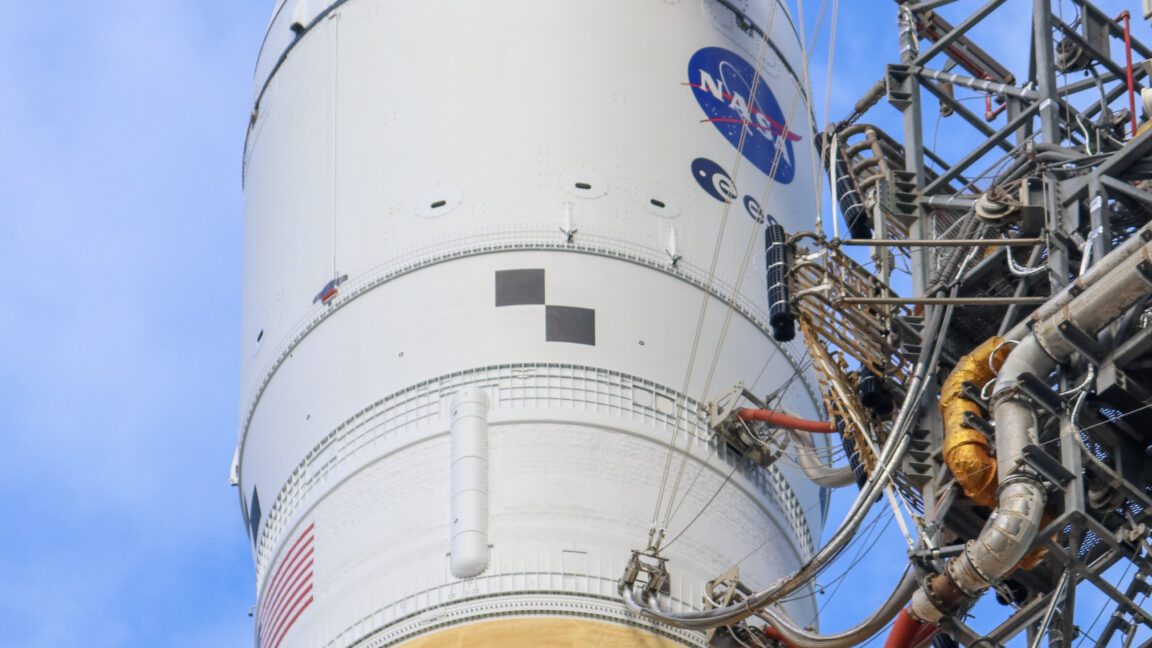
The Artemis II mission, a pivotal step in NASA’s ambitious plan to return humans to the lunar surface by 2025, has encountered a significant setback. Recently, NASA announced the need to haul the Artemis II rocket back to the hangar for repairs, a decision that underscores the complexity and challenges inherent in space exploration. This move is crucial for ensuring the success and safety of the mission, given that the rocket’s current state necessitates repairs that can only be effectively carried out in the Vehicle Assembly Building (VAB).
The Necessity for Repairs
The decision to return the Artemis II rocket to the hangar is based on the identification of issues that require immediate attention. According to NASA, accessing and remediating these issues can only be performed in the VAB, highlighting the specialized nature of the repairs needed. The VAB, with its vast space and sophisticated equipment, is the ideal location for such intricate work, providing NASA engineers with the necessary environment to thoroughly inspect and repair the rocket.
Technical Insights
- The Vehicle Assembly Building (VAB) at Kennedy Space Center is a crucial facility for NASA’s operations, providing a controlled environment for the assembly, testing, and repair of spacecraft and rockets.
- The Artemis II mission is designed to be the first crewed mission of the Space Launch System (SLS) and the Orion spacecraft, aiming to send astronauts on a lunar flyby mission.
- The repairs and maintenance work on the Artemis II rocket will involve a thorough inspection of its systems, including propulsion, life support, and communication systems, to ensure that all components are functioning as intended.
- NASA’s approach to the repairs reflects the agency’s commitment to safety and the meticulous planning required for deep space missions, where even minor issues can have significant implications.
Implications and Future Directions
The need for repairs to the Artemis II rocket, while presenting a challenge, also serves as a testament to NASA’s rigorous standards and dedication to the success of the Artemis program. This program is not only about achieving the goal of returning humans to the Moon but also about establishing a sustainable presence on the lunar surface. The experience and knowledge gained from addressing the current issues with the Artemis II rocket will contribute significantly to the development of future missions, including the Artemis III, which is slated to include the first woman and the first person of color to walk on the Moon.
The delay caused by the necessary repairs will undoubtedly impact the timeline of the Artemis II mission. However, NASA’s proactive approach to identifying and resolving these issues early on is a strategic move that prioritizes the long-term success of the mission over adhering to a strict timeline. This approach reflects the agency’s understanding of the complexities involved in space exploration and its commitment to ensuring that all missions are conducted with the highest level of safety and efficiency.
Conclusion
The decision to return the Artemis II rocket to the hangar for repairs is a critical step in the mission’s preparation. It underscores NASA’s meticulous attention to detail and its unwavering commitment to the safety and success of its astronauts and missions. As the space agency moves forward with the repairs and continues to push the boundaries of space exploration, the experience garnered from the Artemis II mission will be invaluable, paving the way for future lunar and beyond-lunar missions.